What happened
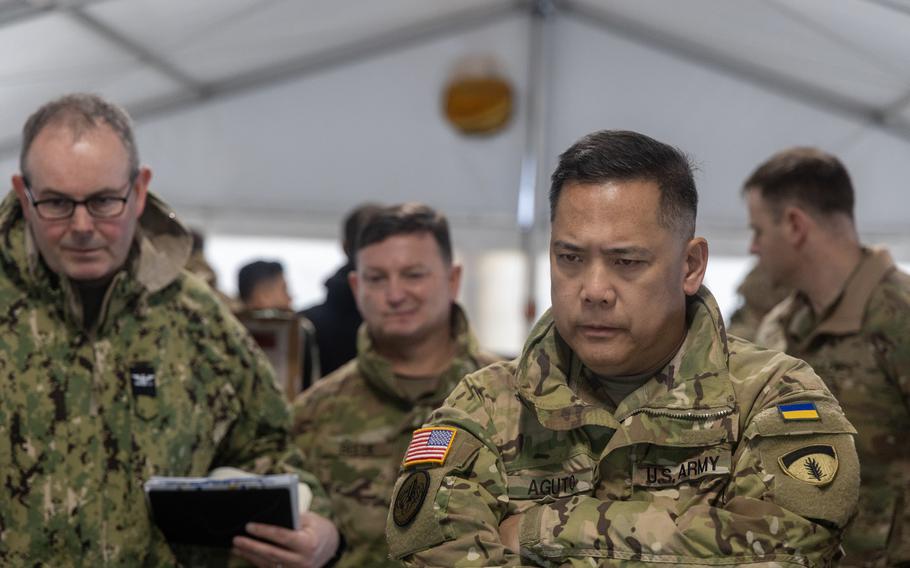
According to the Report of the Pentagon’s Office of the Inspector General, Major General Antonio Aguto took classified maps with him on a trip to Kyiv, despite the established procedure that such materials be transferred by courier. On the return trip on April 4, 2024, the documents ended up on a Ukrainian train in Poland — they were found and delivered to the U.S. Embassy in about 45 minutes.
The report also includes other incidents: alcohol consumption during the visit (it is noted that the general drank two bottles of chacha), a fall causing a head injury and a state of disorientation during a morning meeting with U.S. Secretary of State Antony Blinken. In addition, it mentions appearing intoxicated at a meeting with Ukrainian military personnel, an incident involving verbal or physical aggression toward a staff member, and instances of discussing classified information in an unsecured environment.
"The Office of the Inspector General's report revealed a number of violations of procedures for handling classified materials that create risks for intelligence sharing"
— Report of the Pentagon’s Office of the Inspector General
Reaction and Ukraine's role
The incident had a positive element: Ukraine's railway security service promptly discovered the case containing the maps and handed the documents to representatives of the U.S. Embassy. This shows that effective operational channels and the professionalism of Ukrainian services were in place, minimizing potential damage.
Why this matters for Ukraine
Even single cases of improper handling of allied materials undermine trust and can lead to temporary restrictions on the volume of shared information. For Ukraine, which depends on rapid and comprehensive intelligence sharing with partners, any weakening of this interaction has direct consequences for security at the front.
Context matters: the issue of handling classified material became central in the U.S. after information leaks (media and investigations, including LIGA.net, documented examples of leaks on forums as well), so the Pentagon is highly sensitive to similar incidents.
"Even when the materials were returned, the very fact of a procedural breach is a signal that requires systemic changes and increased oversight"
— national security expert (comment to the publication)
Consequences and outlook
As expected, the Pentagon will tighten internal checks and procedures for access to classified materials, and will also conduct official investigations into the incidents recorded in the report. For Ukraine, the main priority is to ensure that any consequences (for example, temporary restrictions on sharing) do not affect operational support at the front.
A final question: will this signal be turned into concrete changes in intelligence-sharing security policy and in partnership practices? The answer will determine how quickly full trust is restored and whether operational cooperation will remain intact without losses to Ukraine's defense capabilities.





