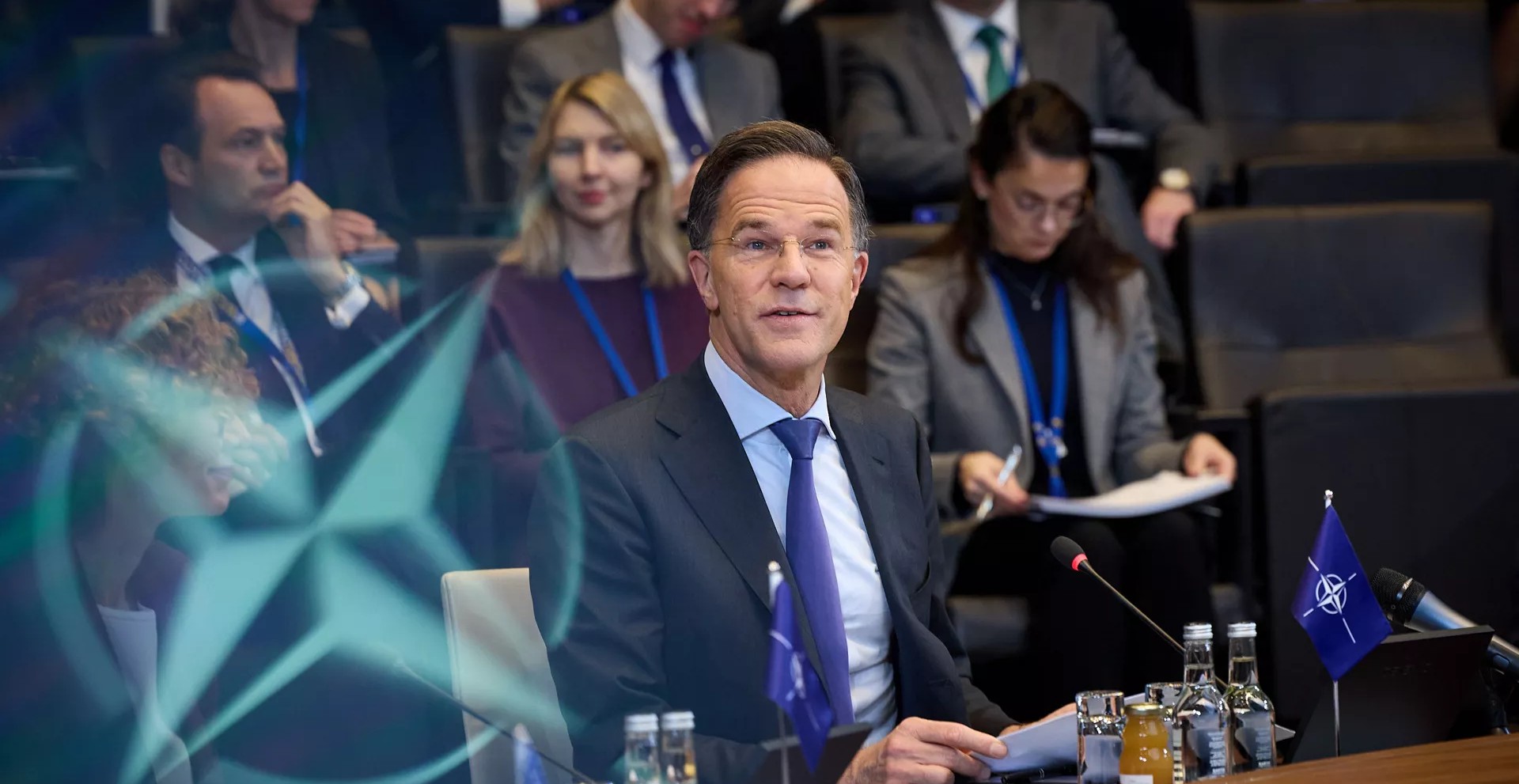
NATO Secretary General Mark Rutte warned during a speech in Berlin that the alliance could find itself at the center of a new wave of Russian aggression.
Danger to the alliance
We could become Russia's next target, and the threat to us is already real
– Mark Rutte
Rutte noted that the decision by member states to raise defense spending at the beginning of 2025 was positive, but now is not the time for complacency.
According to him, many officials and societies mistakenly believe that time is on the West's side and that the situation does not require urgent action. Instead, the secretary general called for increasing defense spending and equipping the armed forces with everything necessary to guarantee the security of allies.
Russia and its partners
Rutte described Russian policy as increasingly brazen, reckless and brutal both toward Ukraine and toward the Western military community.
Today Putin is once again building an empire and believes that our freedom threatens his rule
– Mark Rutte
He also emphasized that Beijing acts as a "lifeline" for the Kremlin, allowing Moscow to pursue a more aggressive policy. Moreover, North Korea and Iran, he said, are joining in support of the Kremlin.
Calls to action
Rutte noted U.S. efforts to end the full-scale conflict in Ukraine and suggested testing the Russian leader's readiness for negotiations.
He is the only one who can force Putin to sit at the negotiating table. Let's test whether he truly wants peace
– Mark Rutte
The secretary general stressed the need to continue pressure on Russia to force it to a peaceful settlement or to show that the regime prefers further escalation.
- In October the head of Germany's intelligence service said that Russia could reportedly be ready for a direct military conflict with NATO and that this could happen by 2029.
- At the end of November Rutte assessed that the threat of Russian aggression affects not only countries bordering the Russian Federation but also Southern Europe.
- On December 5 the United States demanded that Europe assume the bulk of NATO's defense capabilities by 2027.