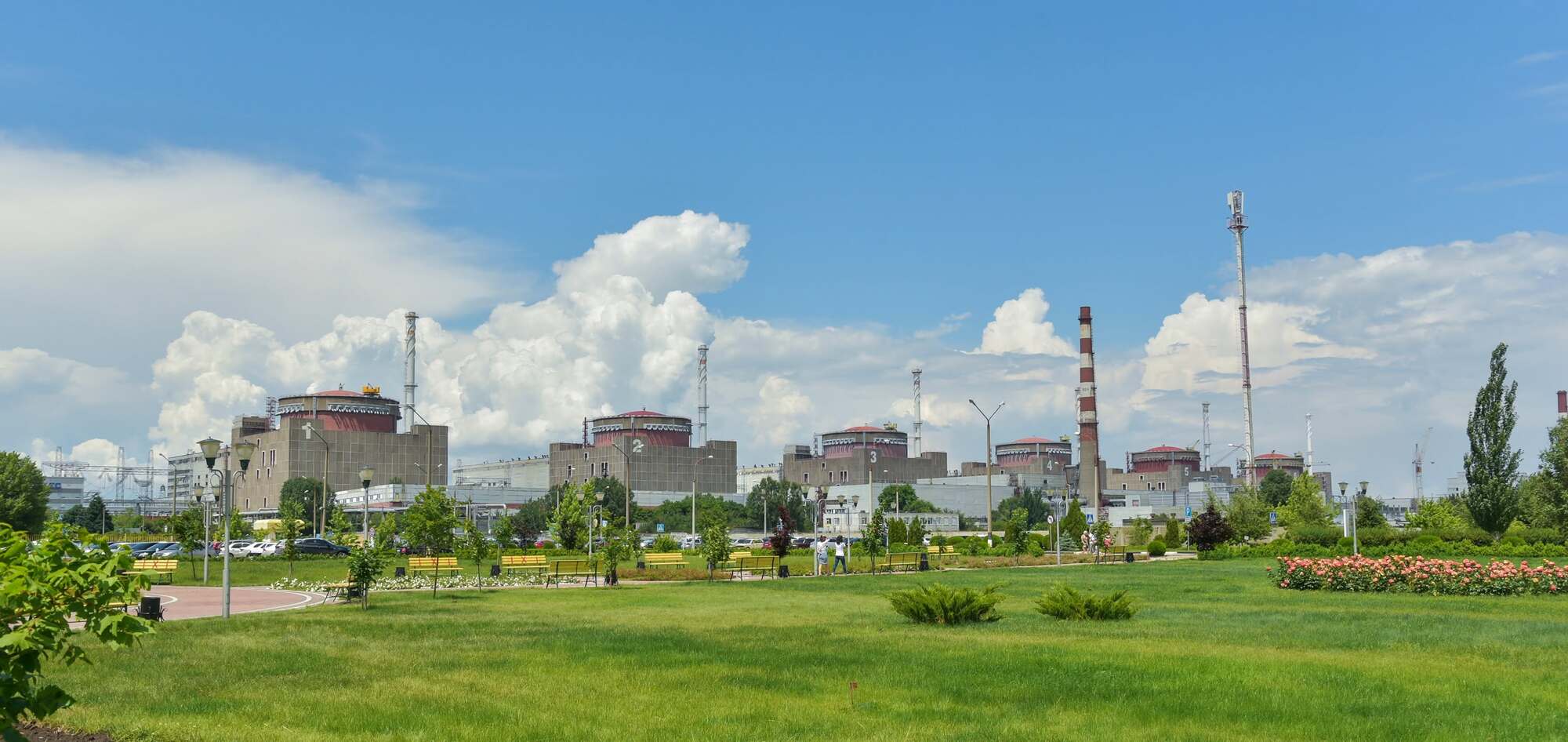
On the morning of July 15, "Rosatom" announced the death of Alexander Yakovlev — a person the occupiers appointed as "chief engineer" of the Zaporizhzhia nuclear power plant after he defected to the invaders in the first days of the occupation of Energodar. Yakovlev was entered into the "Myrotvorets" database as a person who facilitated "the commission of an act of nuclear terrorism and extortion." Along with him, driver Dmitry Philippov was killed — their official vehicle was struck by a drone between the plant's industrial site and the city.
How the IAEA Reacted Within Minutes
The agency's response was swift. IAEA Director General Rafael Grossi condemned the incident, calling it an "unacceptable attack on a nuclear power plant and its management," which poses a serious threat to nuclear safety. A crucial nuance: Grossi commented on the event based solely on statements from the occupiers. While condemning the incident, he did not directly mention either Ukraine or Russia — but the very fact of condemning an "attack" without verification is precisely what "Rosatom" was seeking.
Rosatom Director General Alexander Likhachev stated that he demands an IAEA response to Yakovlev's death — and the response was not delayed. According to Focus.ua, Likhachev said that the "Rosatom" employee died "not at a combat post," and information about the incident was passed to the Kremlin.
What the Foreign Ministry Said
"The Foreign Ministry rejects Russia's baseless accusations of Ukraine's alleged involvement in the death of a person from a drone strike near the temporarily occupied Zaporizhzhia nuclear power plant. No independent confirmations of the Russian version or evidence of Ukraine's involvement have been presented."
Ukraine's Ministry of Foreign Affairs
The Foreign Ministry emphasized: information from Russian occupying structures cannot be considered reliable. The ministry characterizes the situation as an attempt by Russia to increase political pressure on IAEA Director General Rafael Grossi.
Context That Changes the Picture
- Before the occupation, Yakovlev was an employee of the Zaporizhzhia nuclear power plant — that is, a person who knew the plant from the inside and consciously chose to work for the invaders.
- According to intelligence reports, Russia has effectively turned the temporarily occupied Zaporizhzhia nuclear power plant into its own military base, deploying drone control centers for kamikaze drones and setting up weapons storage depots.
- In September 2023, 2024, and 2025, the IAEA General Conference adopted resolutions calling on Russia to "immediately withdraw" its personnel from the plant's territory — Moscow ignores them.
- On October 12, 2025, Ukraine's Foreign Minister called on the IAEA to pressure Russia to "stop all technical experiments" at the plant and return it to Ukraine.
Now Russia is inverting this logic: instead of responding to the IAEA's demands, it forces the agency to react to its own narratives. Grossi finds himself in a situation where any his reaction — is a resource for one of the parties.
If the IAEA does not release its own independent verification of the circumstances of the death — with independent evidence, not citing "Rosatom" — each subsequent incident at Zaporizhzhia will reproduce the same pattern: the occupier reports, the agency condemns, Kyiv denies.