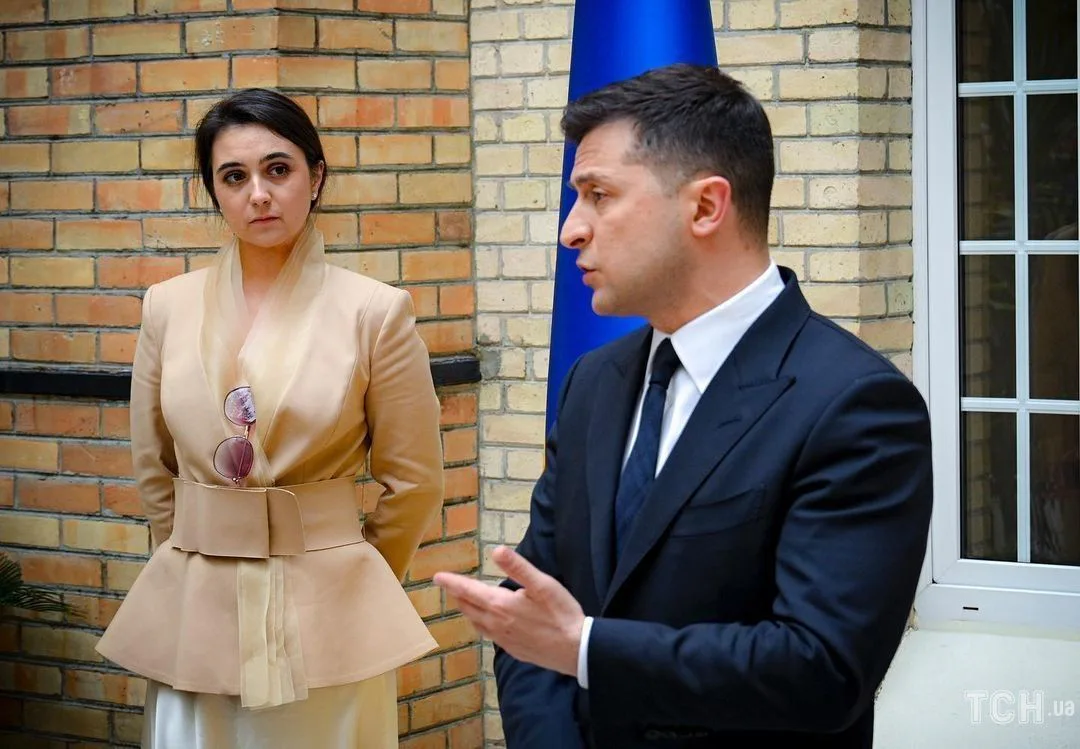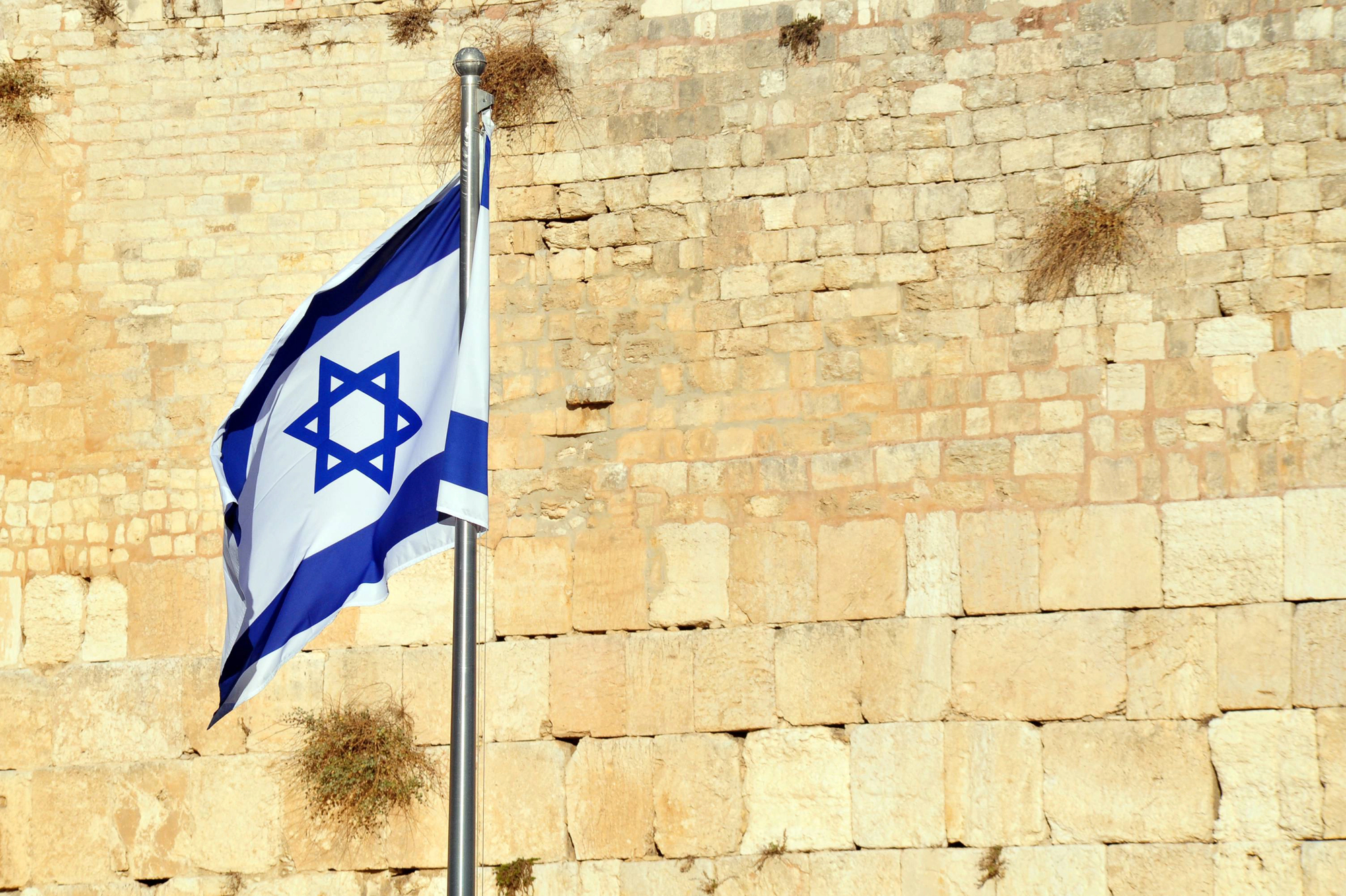
The decision was adopted unanimously — all government members voted in favor. Israel officially recognized the genocide of Armenians in the Ottoman Empire in 1915–1917. The initiative was proposed by Foreign Minister Gideon Saar, who called it a "moral and historical obligation" of the Jewish state.
Why now — and why not before
Israel had blocked this decision for years for purely pragmatic reasons. Turkey rejects the qualification of 1915 events as genocide and traditionally viewed any recognition by Jerusalem as a direct provocation. At the same time, Azerbaijan — a strategic partner of Israel bordering Iran and a buyer of Israeli weapons in conflicts with Armenia — also actively opposed recognition.
As early as 2018, a Knesset vote did not take place: the coalition simply did not gather support. Netanyahu on Patrick Bet-David's podcast, in response to a direct question, initially claimed that "the Knesset has already passed such a resolution" — although no official law existed — and then added: "I just recognized it. That's it."
"That terrible genocide that occurred over a hundred years ago and about the facts of which there are truly no disputes, claimed a million and a half people and destroyed an ancient cultural and historical heritage."
Gideon Saar, Israeli Foreign Minister
The context the government is trying to separate from the decision
Jerusalem's official position: the decision is not related to the current confrontation with Turkey. But the context is hard to ignore. Turkey actively accuses Israel of genocide in Gaza, Erdogan publicly escalates rhetoric, and Israeli-Turkish relations are at their lowest point in decades. Saar directly stated: "The fact that Turkey is promoting false narratives against Israel does not grant it immunity from historical truths."
The resolution also calls for condemning denial, minimization, or distortion of genocide — a formulation that directly targets Turkey's official position.
What is now at risk
- Azerbaijan — a key arms partner and opponent of recognition. Relations with Baku are under direct pressure.
- The Knesset — the government's decision still requires parliamentary ratification. This is where initiatives were previously halted.
- Turkey has already responded with rejection: Ankara does not recognize and does not intend to recognize the genocide regardless of who and how many countries record it.
Government-level recognition is a declaration. But if the Knesset fails to ratify the resolution, Israel will find itself in the same situation as before the vote: with a moral statement but no legal status. Whether the coalition has enough discipline for a parliamentary step — this is what will determine whether this is a change in the country's position or a situational signal to Ankara.