On the night of June 28, Russia attacked Kyiv with Iskander-M ballistic missiles and Zircon/Onyx anti-ship missiles. Air defense forces intercepted six ballistic and one anti-ship missile, but debris from the destroyed targets fell in the Darnitsky district — and it was this debris that caused the main consequences.
Warhead in the ground near a high-rise building
According to the State Emergency Service (DSNCS) and National Police, the warhead of a destroyed missile fell directly next to a residential building. Residents were evacuated promptly, and a pyrotechnic unit of the DSNCS together with the police's explosive ordnance disposal service dug the projectile out of the ground and transported it to a landfill for destruction. This is a scenario rarely discussed: even a destroyed ballistic missile leaves an active warhead capable of detonating.
A garage box and vehicles in an open area caught fire, covering a total area of 300 square meters. At another address, a DSNCS pyrotechnic unit was involved.
— DSNCS of Ukraine
What caught fire and how many people were injured
Head of the Kyiv Military Administration Timur Tkachenko initially reported one person injured, but later clarified — two people sustained injuries. Fires broke out at several addresses in Darnitsky:
- garage box and vehicles in an open area — fire area of 300 square meters;
- vehicle service station;
- non-residential building.
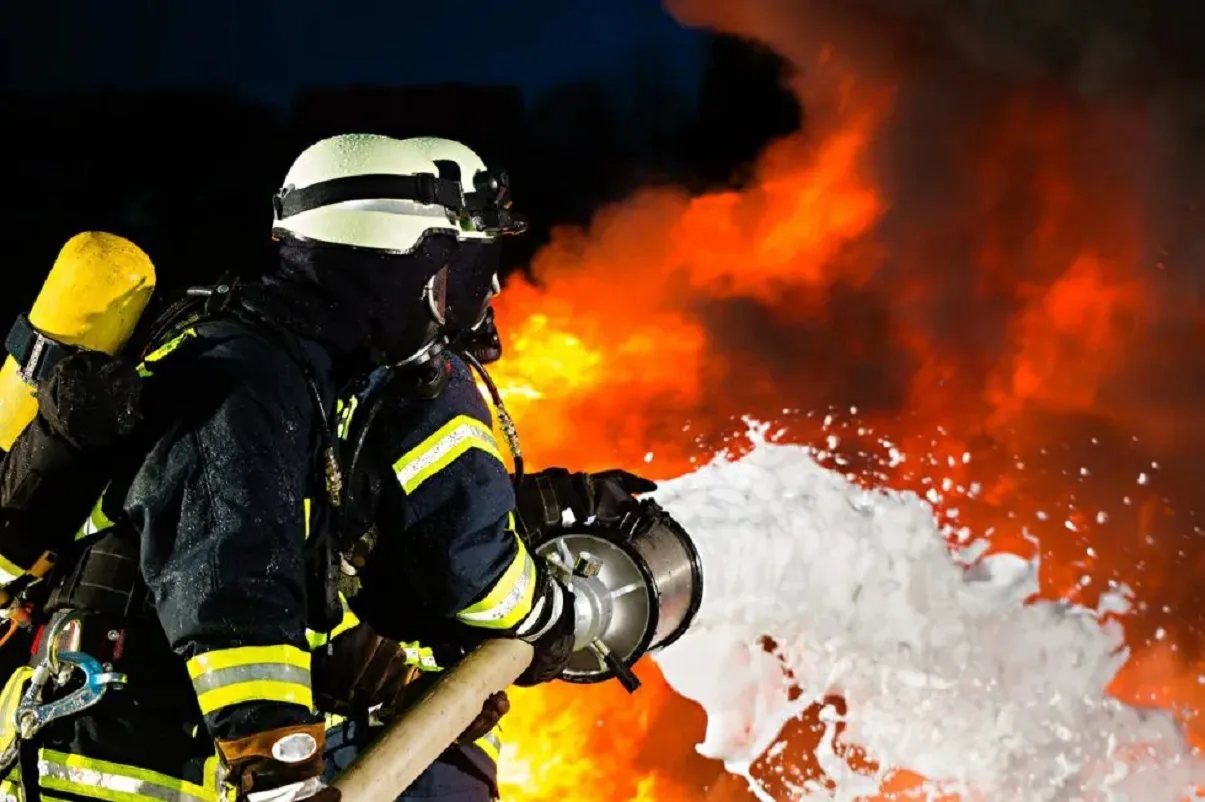
Over 100 rescuers and 23 pieces of equipment were involved in eliminating the consequences. By the time work was completed, all fire sources had been extinguished.
Context: third attack on Kyiv in two weeks
The strike on June 28 is already the third attack on Kyiv in the past two weeks: on June 15, the city suffered a massive strike with nearly 700 weapons, on June 25 — ballistic missiles again. Air Force confirmed that this time Russia launched two Zircon/Onyx missiles from Kursk region and six Iskander-M/S-400 missiles from Bryansk, as well as 142 drones.
A practical question raised by this attack: if a destroyed ballistic missile leaves an active warhead in a residential area, are existing evacuation protocols sufficient — and do rescue workers have time to act before residents return home after the alarm is lifted?







