The point — simple and important
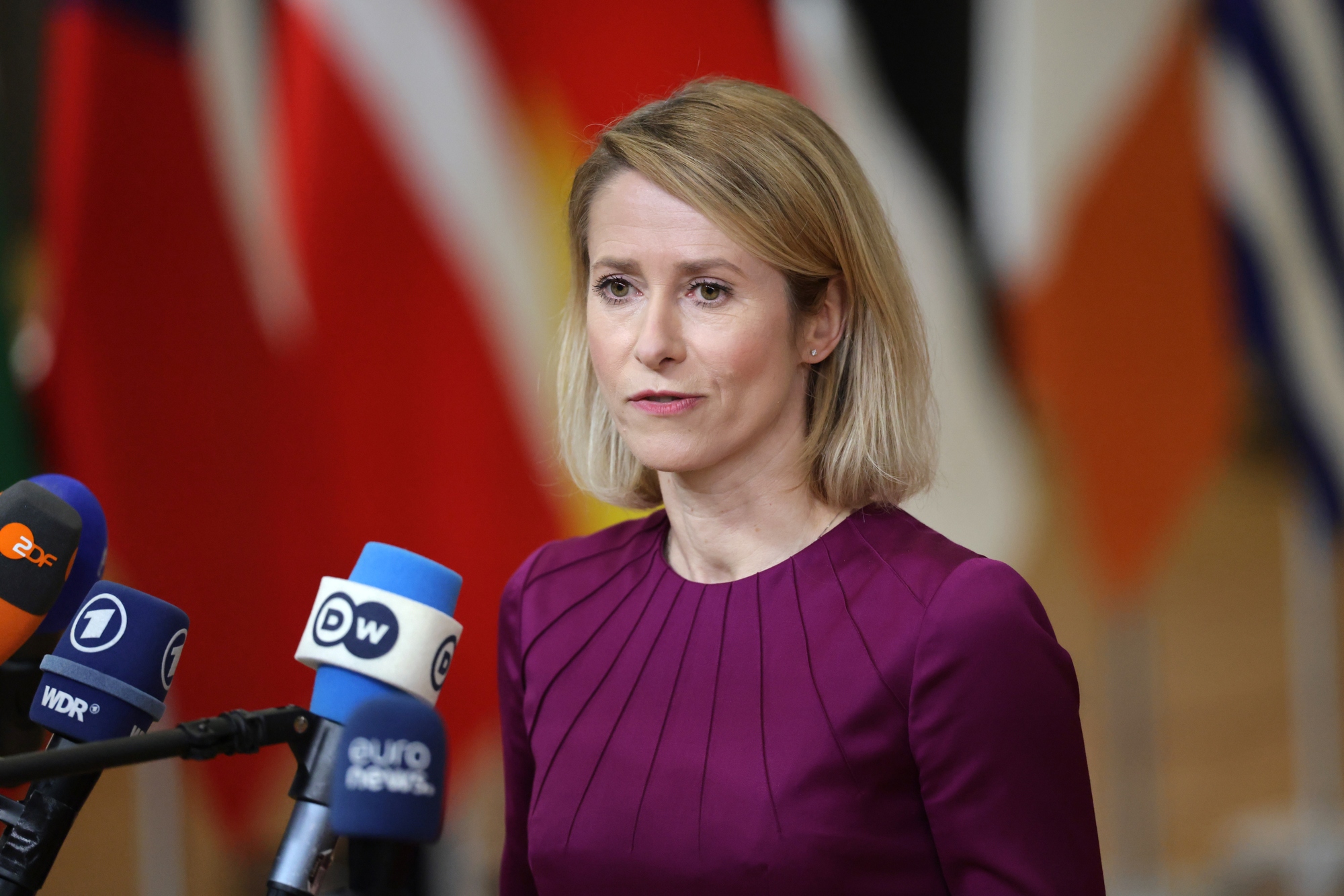
Kaja Kallas announced her intention to propose to EU governments a "list of concessions" that Europe should demand from Russia as part of resolving the war, Reuters reports. According to her, this could include, in particular, the return of Ukrainian children taken during the war and restrictions on Russian armed forces.
Why this matters now
While some negotiation formats are taking place with the participation of Ukrainian and American representatives (and sometimes Russian ones), Europe has effectively been left out at the table. Kallas is taking a clear position: there will be no peace agreement without the EU’s consent — and these conditions should be directed straight at Russia, not added pressure on Ukraine.
"Everyone present at the negotiating table, including the Russians and the Americans, needs to understand that European consent is required,"
— Kaja Kallas, according to Reuters
"And we must put these conditions to the Russians, not the Ukrainians who are already under great pressure,"
— Kaja Kallas, according to Reuters
Context: what else is happening around the negotiations
Europe was not represented at the latest talks on a settlement in Abu Dhabi, and French signals about the need to restore dialogue with Moscow (expressed by President Emmanuel Macron) have added new shades to the debate. It was also reported on 4 February 2026 about a visit by a French diplomat to Russia — underscoring that separate contacts continue between European capitals and the Kremlin.
What this means for Ukraine
First, the demand for the return of deported children is a humanitarian priority tied to issues of trust and security. Second, restrictions on Russia's armed forces are a direct guarantee mechanism concerning the security of Ukraine and its neighbors. Third, the EU's participation in shaping the conditions changes the negotiation dynamics: this is not just a bilateral dialogue between Moscow and Kyiv, it is a broader European institutional position.
Mechanisms of influence and likely scenarios
Experts note that Kallas’s list should become a tool of leverage during future negotiation rounds and at the same time a test of the EU's ability to coordinate a sanctions-diplomatic strategy. If the list is mandated by member states, it could complicate the Kremlin's maneuvering during talks and raise the cost of potential concessions for Russia.
Conclusion
Kallas’s initiative is a reminder: peace in Europe should be built taking the position of Europe itself into account. For Ukraine, it is important that the demands be specific, controllable, and combine humanitarian and security guarantees. The ball is now in the EU governments' court: can they turn the statement into concrete conditions and mechanisms for their implementation — and how will that change the negotiating table.
Source: Reuters; additional context — public statements by EU leaders and reports on diplomatic contacts with Russia.





