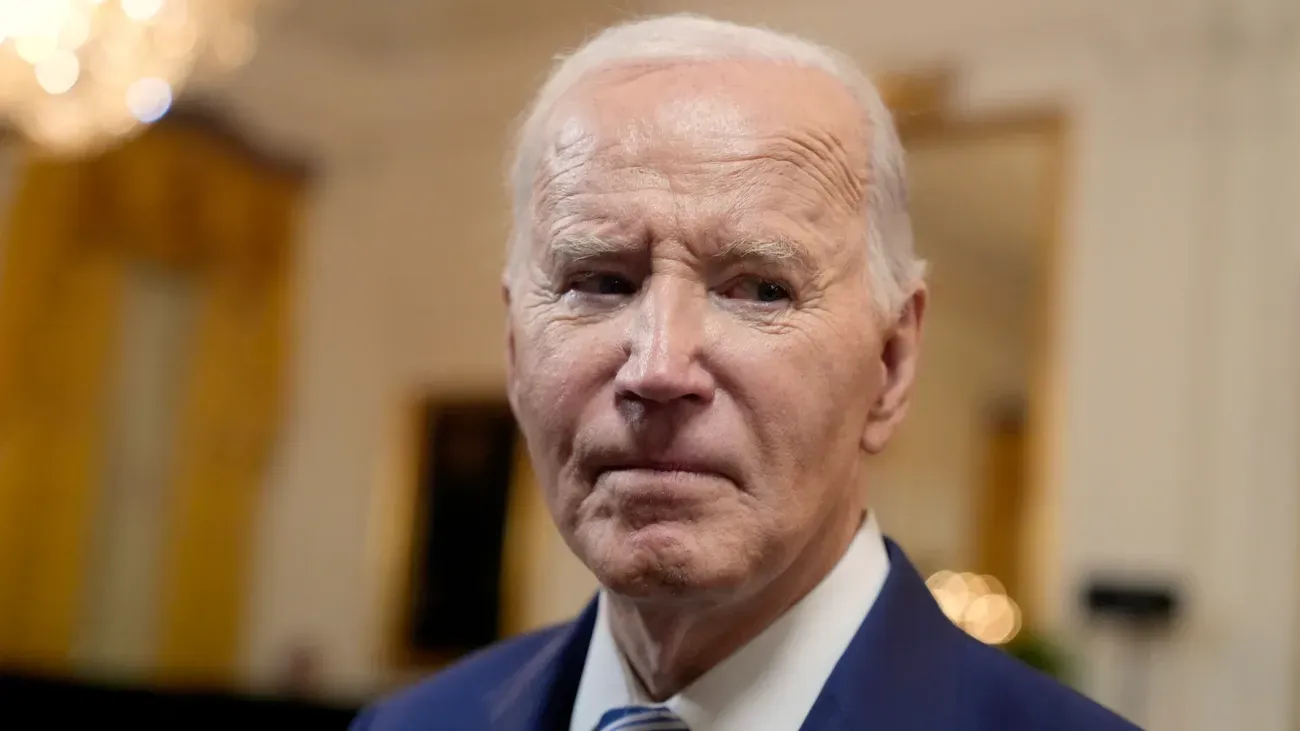
Hunter Biden told BBC that cancer of his father, 46th U.S. President Joe Biden, has spread to the bones. According to the son of the former president, the condition is "very painful" and "very exhausting".
Cancer is really difficult. It's really sad to watch
This is the first public comment from the family after Joe Biden himself made his first public appearance since being diagnosed with prostate cancer. Formally, the occasion was an interview about health. But the context in which it appeared extends beyond medical reporting.
Why now
A diagnosis of aggressive prostate cancer in Biden was disclosed in May 2025, after he had already left the White House. Since then, a controversy has not subsided in American political discourse: whether the former president's team knew about serious health problems earlier and concealed this from voters during the 2024 campaign. The news about bone metastases is not a random leak, but a controlled acknowledgment of the severity of the disease through his son, which allows the family to shape the narrative themselves rather than respond to others' questions.
Who benefits from this statement
For the Biden family, disclosing disease details is a way to shift the conversation from the political to the human plane: a father who is ill, not a politician who concealed something. Hunter Biden does this with deliberate emotion, calling his father the "best father, best man, best grandfather" and adding that he wishes his father would complain more about the pain.
He's the best father, best man, best grandfather. The only thing I can say about my dad, about his health right now, is that I wish he'd complain more
At the same time, an open acknowledgment of the diagnosis's severity is also beneficial for those Democrats who insisted that Biden should not run for reelection in 2024: it indirectly confirms that his actual health condition was more serious than the campaign team publicly acknowledged.
Opponents' reaction
For Republican critics, who for years accused the Biden administration of concealing his physical and cognitive state, confirmation of an advanced metastatic stage is an additional argument supporting the thesis of "cover-up". For part of the Democratic electorate, conversely, this is a reason for sympathy and reconciliation with how exhausting the last term was for the 82-year-old president.
The controversy about when the disease actually began to progress and what Biden's team knew about it during his presidency remains open. If new details about the timing of diagnosis emerge in the coming weeks, this question of political transparency will come to the forefront again — regardless of how the disease itself develops.