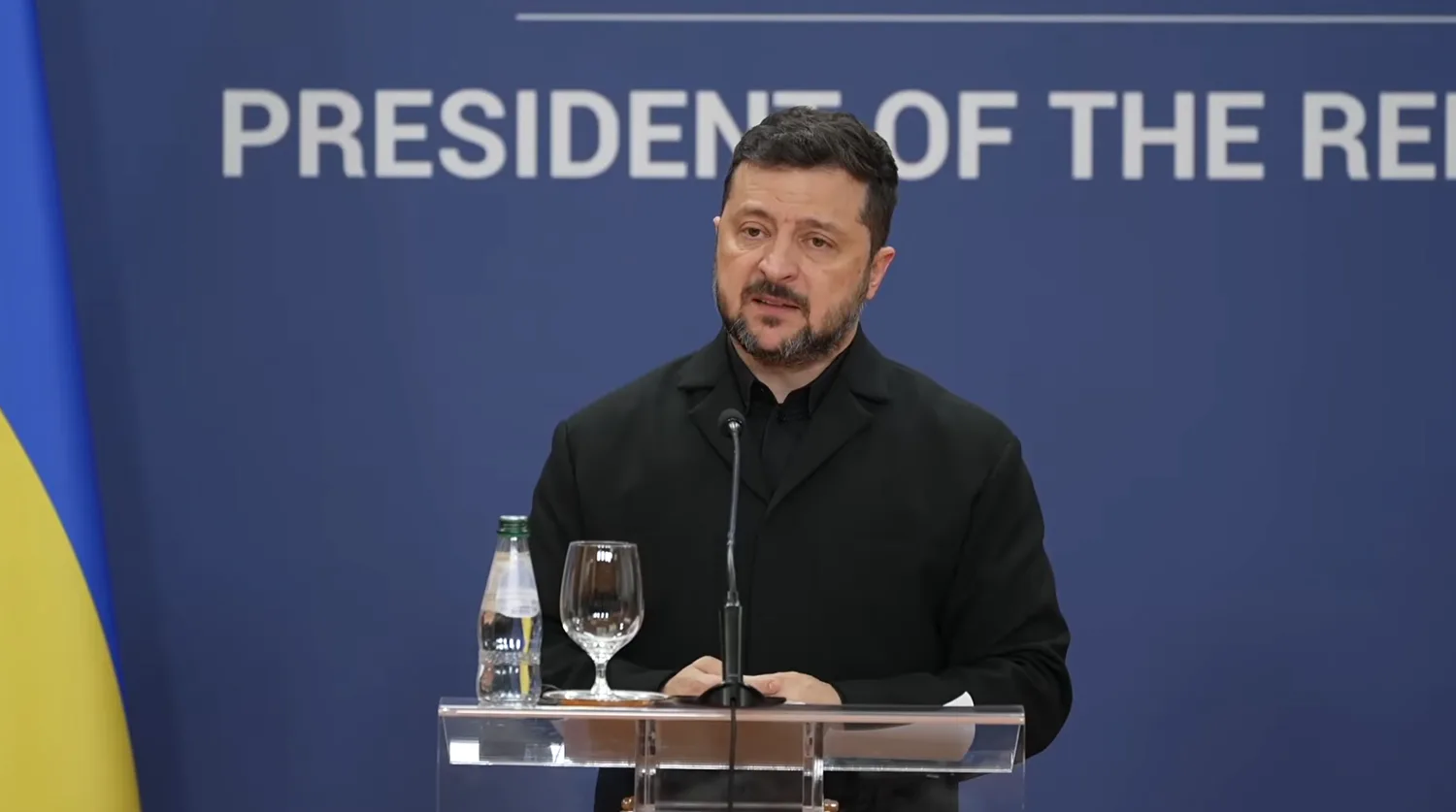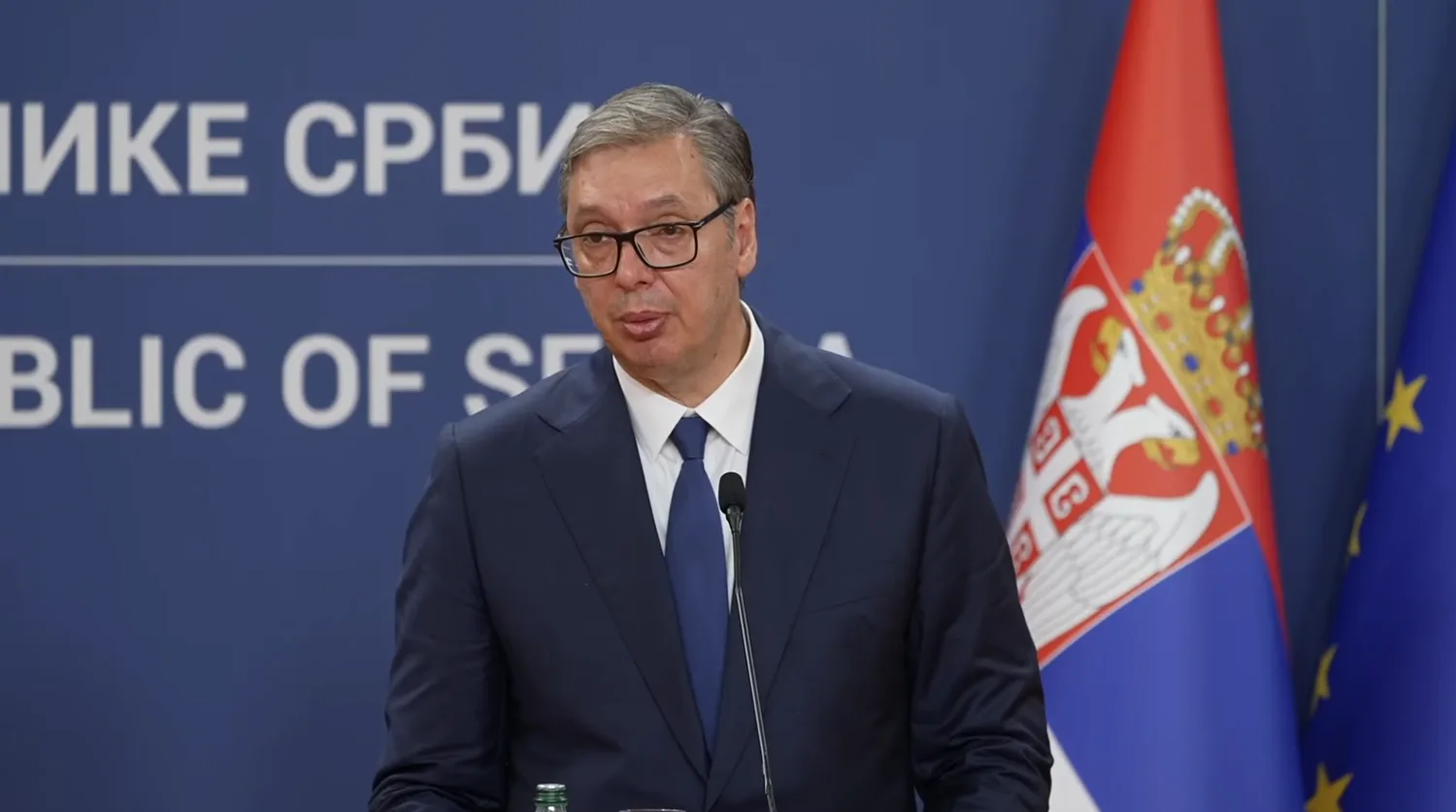
Aleksandar Vučić stands next to Volodymyr Zelensky and promises: medical equipment, generators, transformers for Ukrainian energy infrastructure — Belgrade is ready to increase all of this before winter. "Our Ukrainian friends will be somewhat more satisfied in the future," the Serbian president tells journalists.
The phrase sounds diplomatically cautious, and this is no accident. Vučić balances on a position that few in Europe dare to take openly: humanitarian aid to Kyiv — yes, sanctions against Moscow — no.
What exactly is being promised
According to Vučić, Serbia has already transferred medical equipment to Ukraine and is now ready to add energy sector technology — exactly what Ukrainian cities need after massive Russian strikes on substations and heating plants.
So far we have provided serious assistance in the medical field, and it seems to me that in terms of the energy sector and the equipment needed for Ukraine, particularly for the winter period, to the extent we can do this, I think we will do everything we can
No specific volumes or delivery timelines were mentioned. This is a formula Belgrade has been using for over two years: there is support, details come later.
Why Serbia is a special case
Unlike most EU countries and EU candidates, Serbia has not imposed sanctions against Russia. At the same time, various investigations have shown Serbian weapons ending up on the Ukrainian front through third countries — Belgrade officially denies this, but the scheme "manufacturer in Serbia — buyer in Jordan or Czech Republic — end recipient Ukraine" appeared in several journalistic investigations as early as 2022.
A paradox emerges: a country that publicly avoids direct support for Kyiv due to close historical and economic ties with Moscow is simultaneously part of logistics chains supplying ammunition to the front, and now openly promises energy equipment as well.
What this means for Ukraine
For Kyiv, such a partner is valuable precisely because of its ambiguity: Serbia is a gateway to the Balkans, and any open support from there has symbolic weight, even if the scale of assistance is modest compared to Germany or the United States.
The question is whether words will be followed by real equipment supplies before the cold arrives, or whether the promise will once again remain a rhetorical gesture on the eve of winter, when Ukraine's energy system traditionally needs the most.