What’s happening
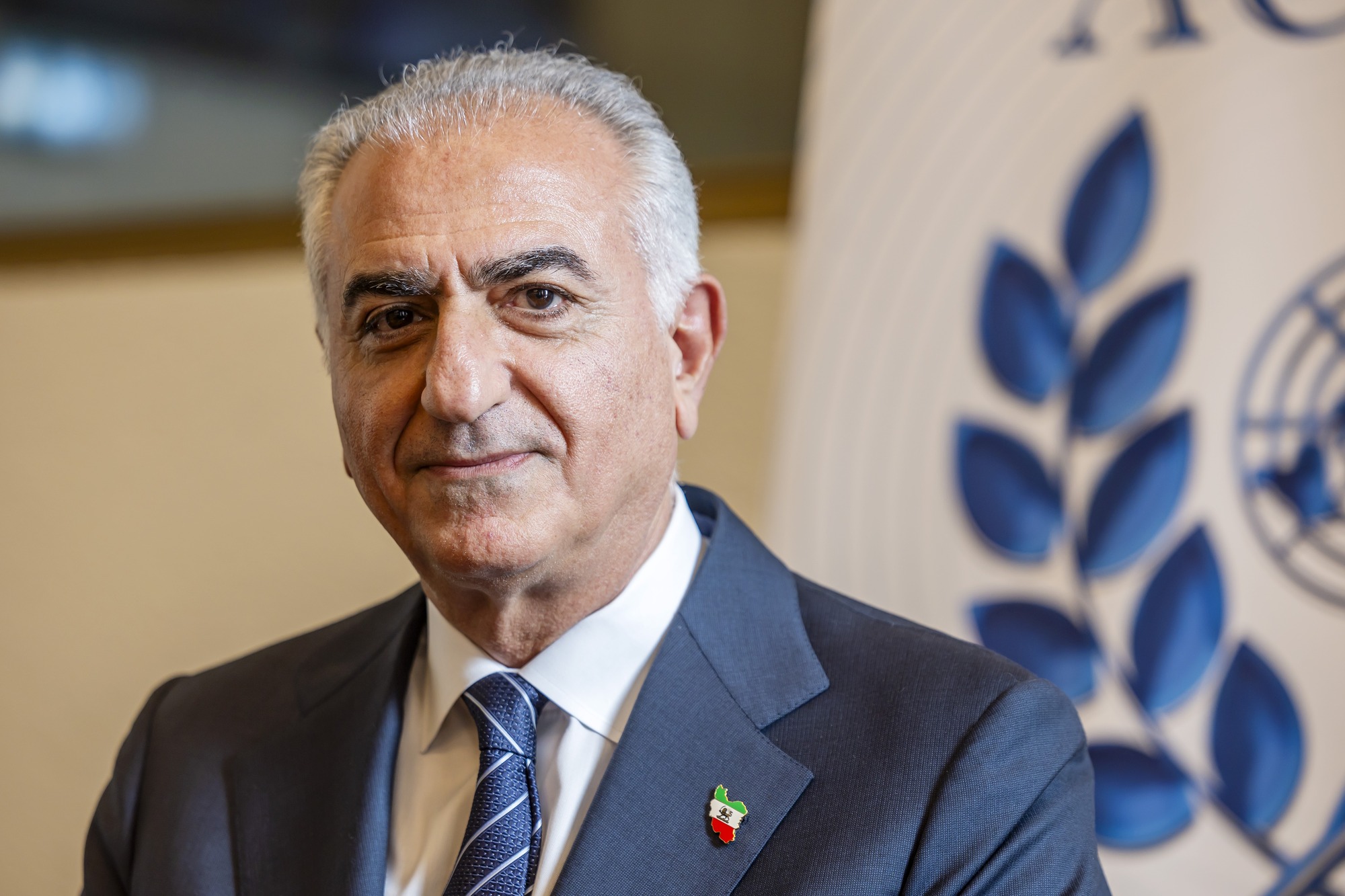
According to LIGA.net and in the assessment of Igor Semivolos, director of the Center for Middle Eastern Studies, support for the son of the last shah — Reza Pahlavi — is noticeably growing in Iran’s central provinces. At rallies the slogan “Long live the Shah” is increasingly heard, signaling not only nostalgia but also a desire for a certain kind of leadership amid the chaos.
"He is gaining increasing authority among Persians. For them this figure is significant"
— Igor Semivolos, director of the Center for Middle Eastern Studies
Why this matters
The expert explains: the rise in support for Pahlavi is linked to fears of a possible collapse of the current regime. When the risk of internal disintegration arises, part of the population looks for a figure who can quickly restore order and preserve the integrity of the state. In such a case, even monarchical symbolism can act as a marker of stability.
At the same time, this heightens tensions for national minorities, who view the revival of monarchist sentiments with caution — for them it could mean risks of repression or a redistribution of influence.
"His program envisages that he is not and will not be the shah, but wants to be an arbiter who will lead the country to democracy while preserving unity. He says he wants political change, a new constitution, elections... The people can choose what they are guided to — as long as there is authority in place"
— Igor Semivolos, director of the Center for Middle Eastern Studies
Security implications and for Ukraine
For Ukraine the immediate danger is a state of instability, which complicates the work of diplomatic and consular services and also increases risks for citizens on the ground. The Ukrainian Foreign Ministry has already advised Ukrainians to leave Iran due to the worsening situation.
- 7 January: reports say up to 35 people were killed during the protests; over 1,200 were detained.
- 8 January: the Ukrainian Foreign Ministry issued a call/advice for Ukrainians to leave the country due to deteriorating security.
- 9 January: Iranian authorities cut internet access, effectively isolating the country from external communications during the suppression of protests.
Brief outlook
If Pahlavi's popularity continues to grow, two basic scenarios will emerge: a rapid consolidation under a single leader as a reaction to chaos, or a long-term fragmentation with increased regional/ethnic conflicts. Both scenarios carry risks for regional stability and make Iran's foreign policy less predictable.
Two things are important now: fact-checking and early diplomatic response. So far Ukraine has already responded practically — advising its citizens to evacuate; next it's up to the international community to assess potential scenarios and prepare both humanitarian and security response mechanisms.
Question to the reader: are partners ready to respond to real — not symbolic — changes in Iran quickly and in a coordinated way?





