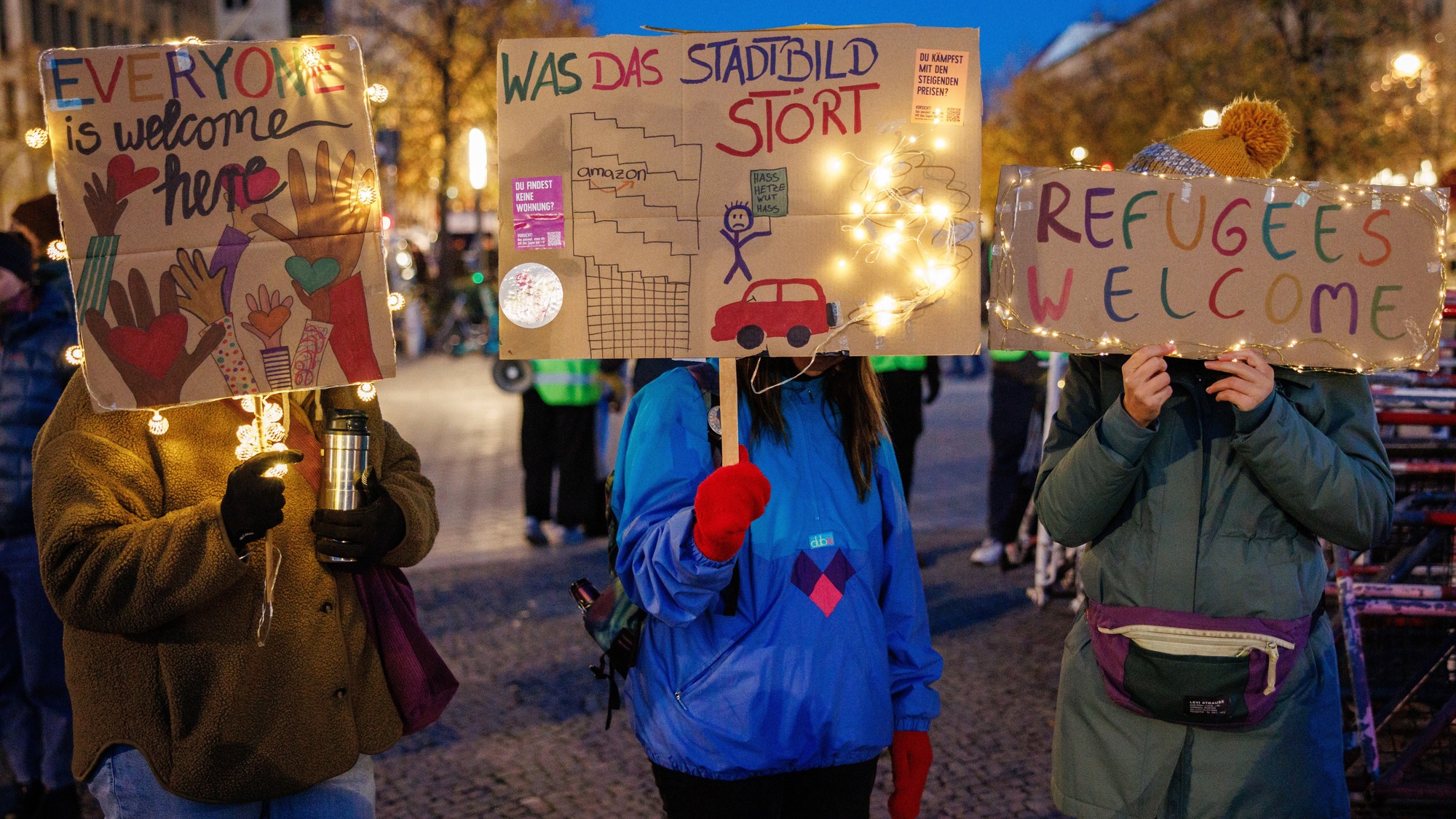
In 2024, the number of people who filed protection applications in EU countries declined by nearly 20% compared to the previous year. This is stated in a European Commission report cited by Welt.
The absolute figures remain significant — we are talking about hundreds of thousands of people — but the trend has reversed for the first time after several years of growth. The EC directly names stricter migration policy of the bloc among the reasons: enhanced border controls, accelerated application review procedures, and new agreements with transit countries.
This is not abstract statistics. Behind every percentage point are concrete decisions: a person who did not reach a reception point, or a queue that became longer. A reduction in the flow could mean either more effective border protection or more effective deterrence of those who have legitimate grounds for protection.
In parallel, several countries — Germany, the Netherlands, Denmark — have enacted or are discussing measures that limit social benefits for asylum applicants and simplify deportation. Critics from human rights organizations argue that some people simply stopped applying due to low chances of success, rather than due to the absence of real threats at home.
Supporters of a stricter course, meanwhile, present a different argument: a managed process is better than a chaotic one, and reducing pressure on reception systems allows for better processing of cases of those who do arrive.
Both positions have a real foundation — and therein lies the essence of the dispute that the EC's statistics do not resolve, but only intensifies.
The question is not whether a 20% reduction is a success. The question is whether the EU can answer how many of those who did not come had the right to protection — and whether anyone is even keeping count.





