Quiet leadership — big consequences
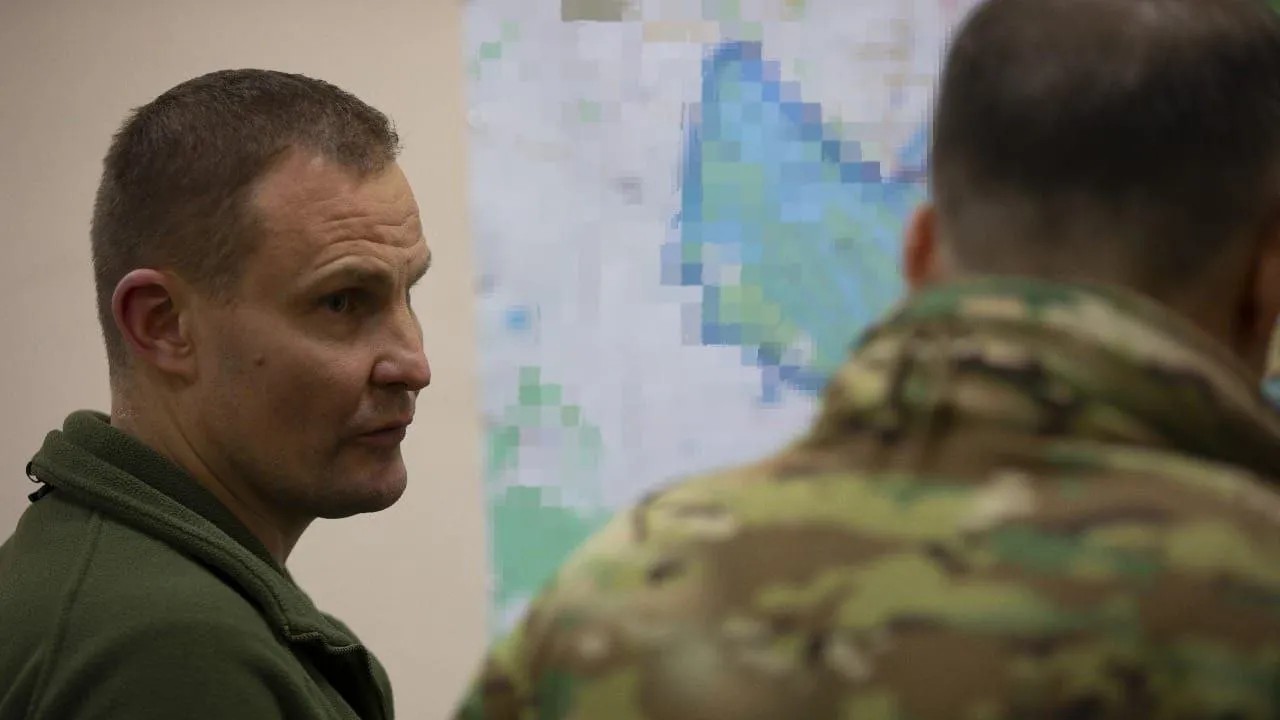
According to LIGA.net, the operation of Ukrainian units in Kup'yansk itself was led by the head of the tactical group "Kupyansk", General Vadym Solimchuk. This was reported by five interlocutors in the General Staff, the National Guard command and the HQ of TG "Kupyansk". This fact is important not only as a personnel detail: it shows how the command system works during operations — on the principle of division of responsibility and trust.
Who was responsible for what
Sources point to a clear division of areas of responsibility during the operation:
— actions inside the city were the responsibility of General Solimchuk, as head of TG "Kupyansk";
— the situation on the northern outskirts of the city — commander of the National Guard corps "Khartiya", Colonel Ihor Obolensky;
— the overall concept of the operation, according to sources, was implemented in the form approved by Commander-in-Chief Oleksandr Syrskyi.
"Solimchuk is the officer to whom Drapatyi handed the situation in directions where stabilization was achieved..."
— interlocutor of LIGA.net, General Staff
About Drapatyi’s role and the signal for the army
LIGA.net notes: Mykhailo Drapatyi was not directly involved in leading this particular operation — it was led by his deputy. This is not a sign of disagreement, but rather an example of functional transfer of authority within a well-established system. Such management models allow for quicker responses to operational changes and maintain the pace of operations without bureaucratic delays.
Human factor and morale
Three sources in the General Staff and the tactical group "Kupyansk" described Solimchuk as a professional officer who seeks to stay close to his subordinates; in particular, they noted that the general often ate with the soldiers. Such gestures have a practical effect: they increase trust within units and simplify information exchange under combat conditions.
"The liberation of Kup'yansk is not the sudden personal merit of any single commander or officer."
— five interlocutors of LIGA.net
Briefly about the facts
— Photos from the General Staff at the site show the presence of Drapatyi’s deputy, not Drapatyi himself.
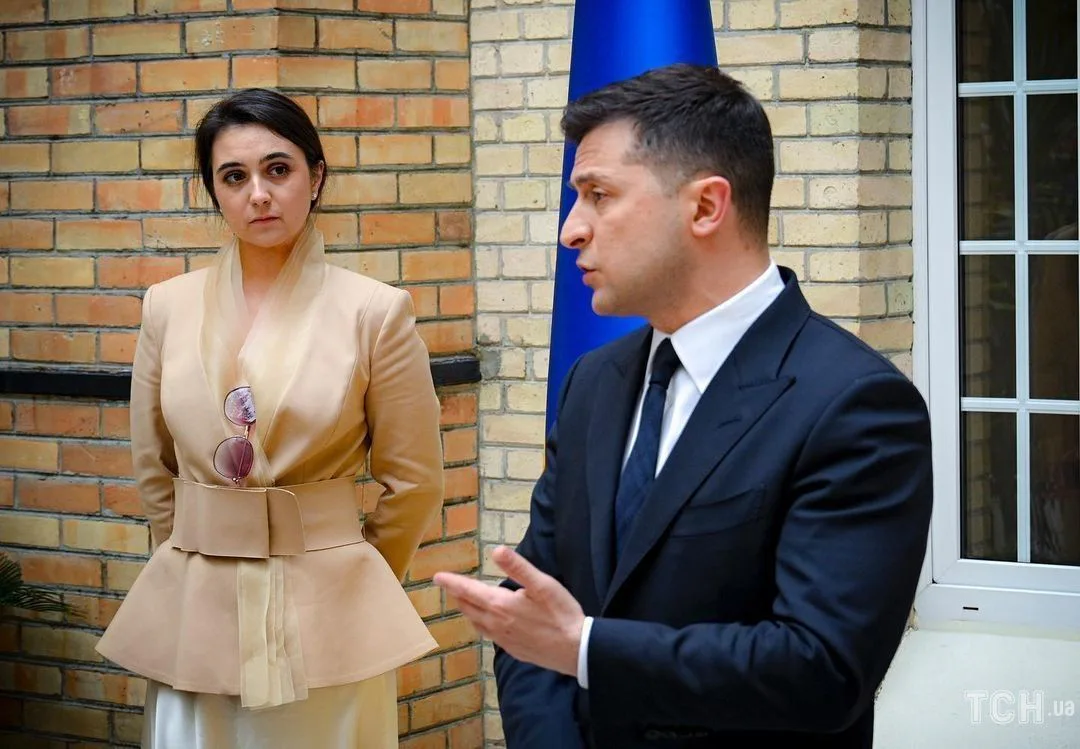
— On December 12, Solimchuk reported to President Volodymyr Zelensky on the progress of the operation to search for and destroy remnants of Russian units in Kup'yansk and the subsequent defense of the city.
— Sources emphasize that the operation is being conducted according to an agreed plan, and the liberation of the city is comprehensive.
What’s next
This story is an example of how command redundancy and a clear division of responsibility work in complex operations. For the reader, this means: the command system is functioning, and battlefield successes do not depend on individual "stars" — they are the result of integrated work by commands and units. The next test is whether it will be possible to maintain this pace and provide logistics for further defense and stabilization of the region.