In high diplomacy — a quiet but convincing signal
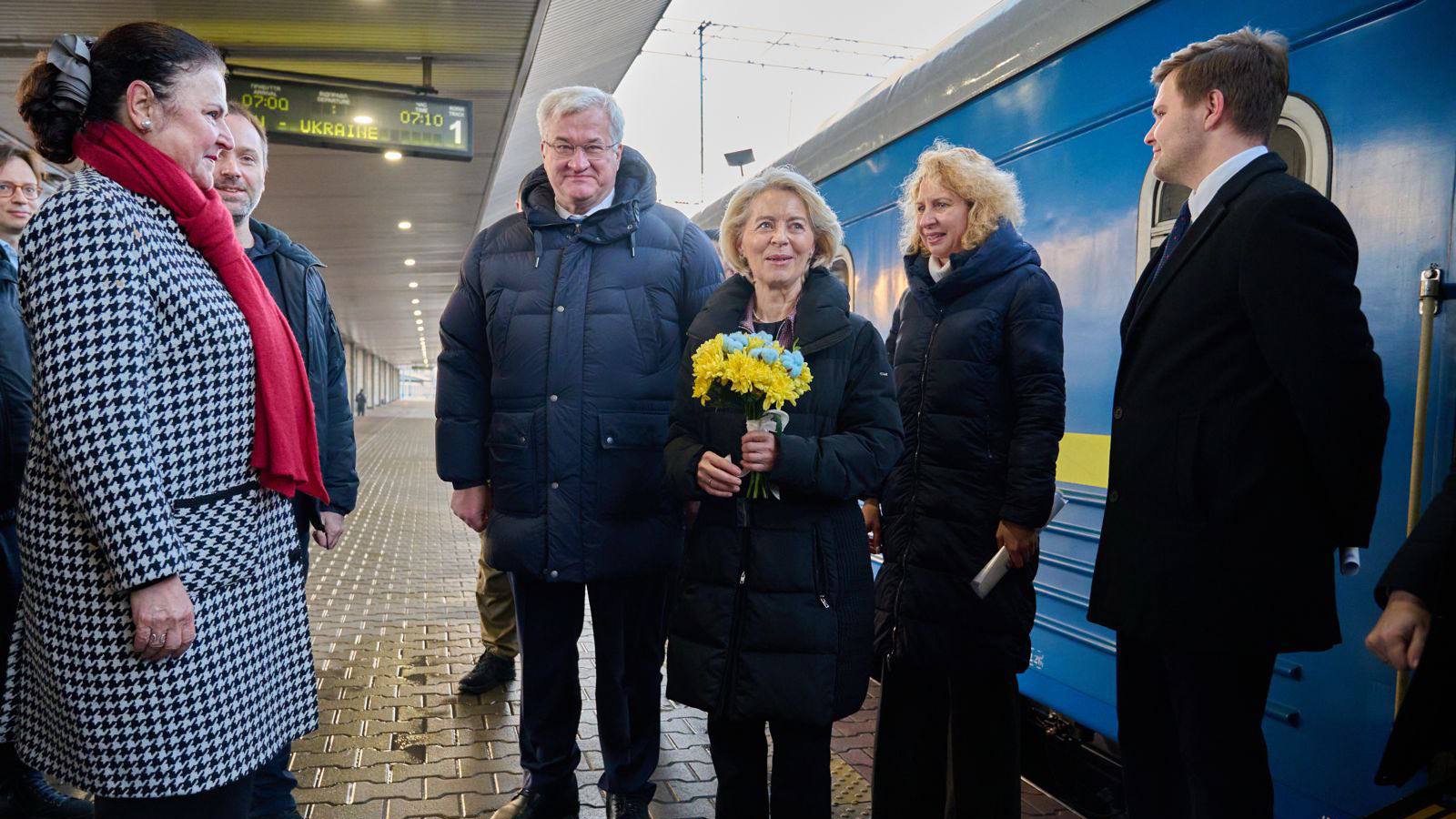
Ursula von der Leyen arrived in Kyiv on the day of the fourth anniversary of Russia’s full-scale invasion. On her X page she stressed that this is her tenth visit since the start of the war — to reaffirm that Europe steadfastly supports Ukraine financially, militarily, and through this harsh winter. The timing of public gestures is important here: a visit on the anniversary is both moral support and political reinforcement for further decisions.
"In Kyiv for the tenth time since the start of the war. To reaffirm that Europe stands unwaveringly with Ukraine, financially, militarily, and through this harsh winter. To underscore our enduring commitment to Ukraine’s just fight. And to send a clear message to the Ukrainian…"
— Ursula von der Leyen, President of the European Commission (post on X)
Who came and what it means
Update: according to Foreign Minister Andriy Sybiha, President of the European Council António Costa, leaders of the Nordic‑Baltic Eight, Prime Minister of Croatia Andrej Plenković and foreign ministers also arrived in Kyiv. The presence of several high-ranking delegations amplifies the message — this is not an isolated gesture, but coordination.
Context: sanctions, aid, an impulse for decisions
At the beginning of February the European Commission proposed a 20th package of sanctions against Russia, covering energy, financial services and trade. Von der Leyen’s visit on the anniversary increases the chances that political will will turn into operational steps — from additional funding to the adoption of new decisions on supplying defensive equipment.
Why this matters for Ukraine
The effects are visible on three levels: domestic — raising morale among the public and the armed forces; foreign policy — a signal to Moscow that the EU maintains unity; practical — speeding up bureaucratic decisions on aid and sanctions. Analysts in Brussels note that the presence of leaders on the ground often accelerates technical agreements that in normal circumstances take months.
Conclusion — what next?
This is more than an Instagram shot: the presence of von der Leyen and several European leaders in Kyiv is simultaneously a mechanism of pressure and of trust. The task now is to translate political determination into concrete steps: signed contracts, additional funding, arms deliveries and new sanctions. The question for partners remains pragmatic: will the political momentum be enough to lock these decisions into short-term actions?





