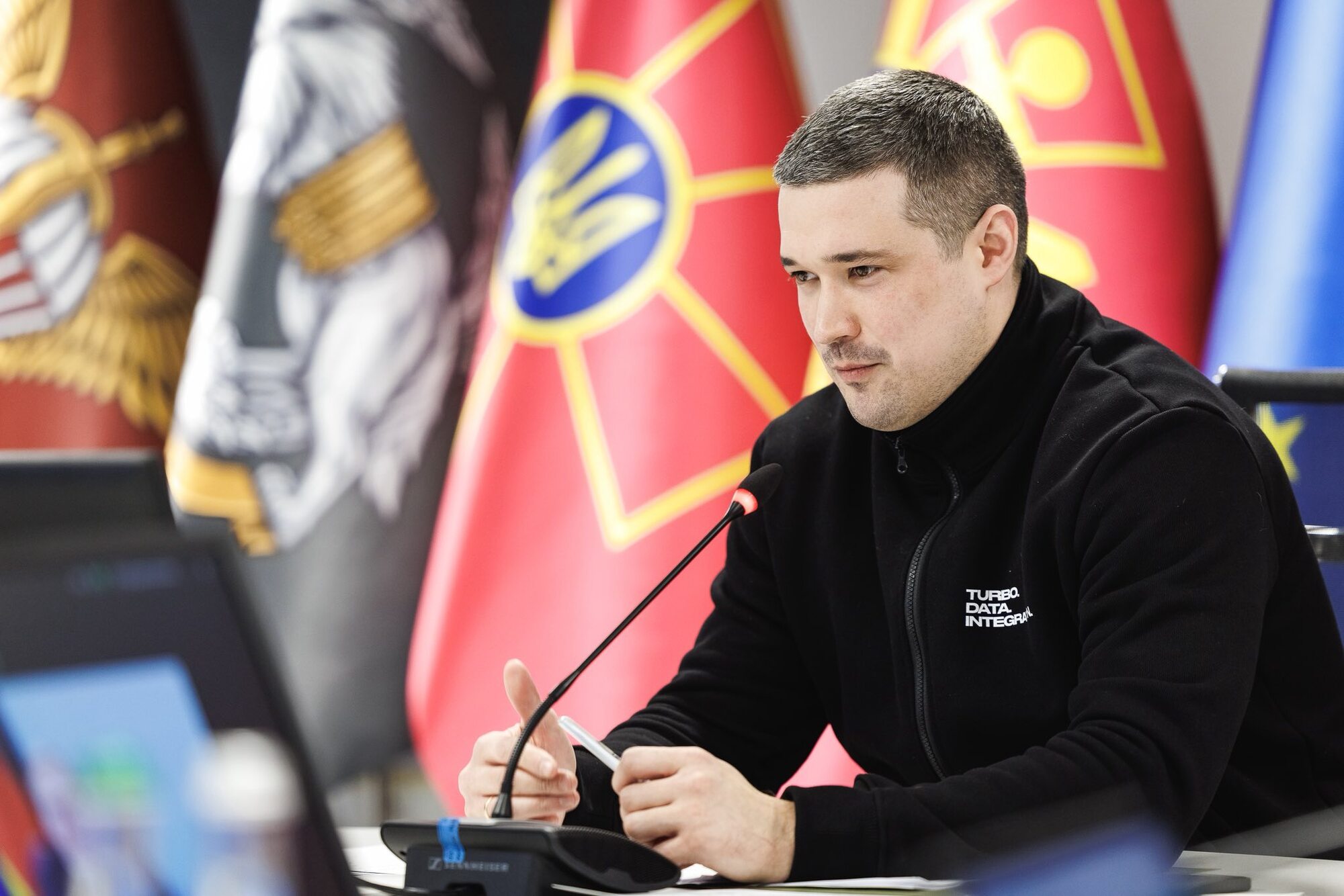
In short — what was announced and why it matters
Defense Minister Mykhailo Fedorov presented a "war plan" with three concrete goals: close the sky, stop the enemy in all domains, and deprive Russia of the economic means to wage war. This is not a declaration of wishes — it is a framework for operational decisions, procurements, and international coordination intended to turn tactical advantages into strategic pressure.
1. Close the sky — restore everyday life
According to Fedorov, the goal is to identify 100% of aerial threats in real time and intercept at least 95% of missiles and drones. In practice this means scaling a multilayered air defense system: short-range air defenses for the near perimeter, mobile interception complexes, and integration of sensors into the national alert system.
"When the sky is closed – the country functions"
— Mykhailo Fedorov, Minister of Defense of Ukraine
Why this matters for you: a stable air defense reduces risks to civilian infrastructure, guarantees defense logistics, and allows resources to be reallocated from passive protection to offensive and counter-neutralization actions.
2. Stop the enemy on land, at sea and in cyberspace — the "math of losses"
Fedorov named a benchmark — over 200 occupiers killed per 1 km² as the level at which advancement becomes impossible. He cited Donetsk region with a figure of ~156 per km² and explained that this is about the speed and density of losses that devalue the enemy's offensive potential.
"Our benchmark is over 200 occupiers killed for each km². That is the level of losses at which advancement becomes impossible"
— Mykhailo Fedorov, Minister of Defense of Ukraine
This is about combining correct logistics, tactical means, artillery, intelligence and cyber operations. The key is not only the number of rounds, but the quality of command: shortening the decision-making cycle through data (DELTA, the yeBaly system), increased unit training and rapid adaptation of tactics.
3. Deprive Russia of the economic resource to wage war — pressure on oil revenues
Fedorov directly links the duration of the war to the Russian Federation's financial capabilities, primarily oil revenues and the use of a "shadow fleet" for circumvention operations. The solution is to tighten sanctions, work with partners to intercept and identify vessels, coordinate actions in ports and at sea, and create a fiscal deficit that will minimize the Kremlin's ability to finance combat capability.
"The source is oil. If you cut off that channel — the resource for war will sharply decrease"
— Mykhailo Fedorov, Minister of Defense of Ukraine
For citizens this means: the results of sanctions and maritime coordination will not be immediate, but they are the measures capable of changing the adversary's strategic resilience.
How the plan must turn into real steps
Partnership. Ukraine expects record volumes of assistance this year — for procurement of drones, stable payments to the military and strengthening air defenses. This is a win‑win model that requires partners to provide guarantees of expenditure control and transparency of results.
Technological edge. Being "ten steps ahead" means investing in the rapid integration of new sensors, AI for data processing and mobile strike systems — not just individual weapon types, but platform synergy.
The mathematics of war. Data is power. DELTA and the yeBaly system must turn battlefield information into precise decisions: where to reinforce defense, where to strike, how to optimize logistics.
Context of international politics
According to Bloomberg, the United States insists on a diplomatic resolution by a specified date this summer; similar timeframes were mentioned by the president. This adds time pressure: the declared goals must be accompanied by rapid practical actions so that international pressure does not turn into haste without results.
What next: risks and expectations
The plan has a clear logic: combine defensive strength, tactical attrition of the enemy and economic pressure. Risks include lack of time, the need to synchronize with partners, and technological bottlenecks. If Ukraine can rapidly scale air defenses, consolidate battle management systems and coordinate a sanctions mechanism at sea, then these three goals can realistically reduce Russia's ability to carry out large-scale aggression.
Now it is up to the partners: declarations must turn into contracts, and contracts into effective solutions at the front. Whether there will be enough time is a question not only of tactics but also of political will on the international stage.





