What happened
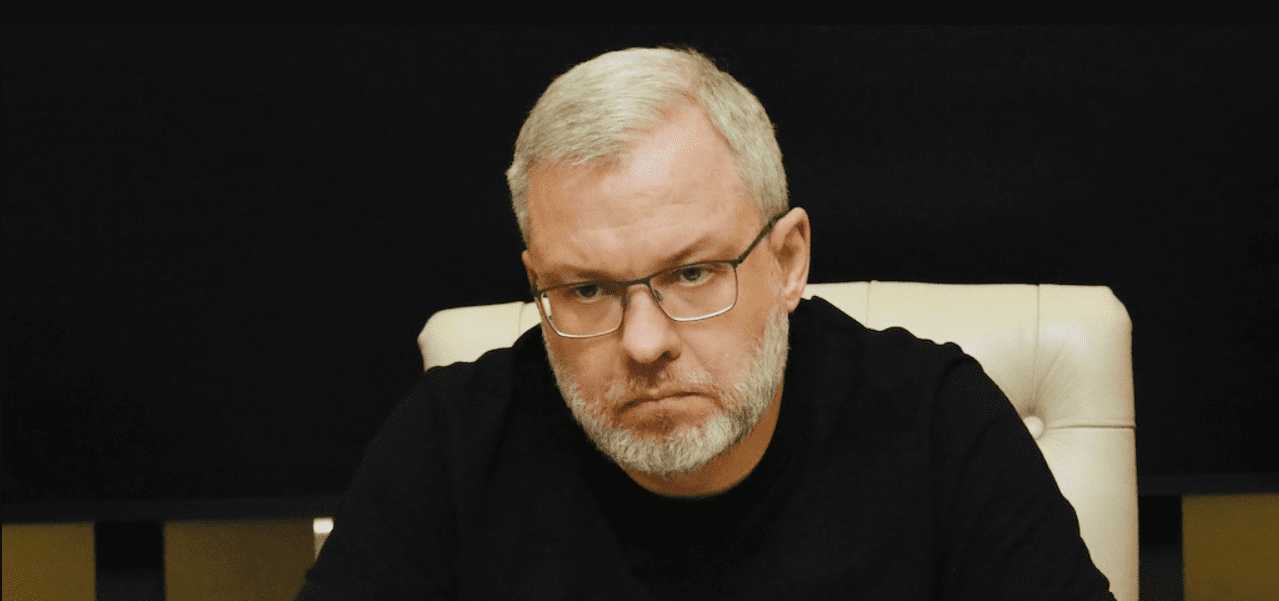
In the night of February 15, detectives from NABU detained former energy minister Herman Halushchenko while he was attempting to cross the state border, Ukrainska Pravda reported citing sources, and NABU later confirmed the report.
“Initial investigative actions are ongoing, carried out in accordance with the requirements of the law and the court sanction. Details to follow.”
— NABU, press service
According to a Ukrainska Pravda source, he was “taken off a train.” The name of the person involved was not released initially, but later official statements confirmed that it was the ex-head of the Ministry of Energy.
“This practice is applied when a person is involved in criminal cases.”
— A source for Ukrainska Pravda in political circles
Context: Operation “Midas” and who is at the center
Halushchenko served as minister of energy from April 2021 to July 2025; before that he led the Ministry of Justice until November 2025. He resigned after the exposure of an operation by NABU and SAPO codenamed "Midas", which, according to the investigation, uncovered large-scale corruption schemes in the energy sector.
SAPO says that the case files contain audio recordings of wiretaps in which figures appear under the aliases “Sigismund” and “Professor.” Some suspects, according to investigations, are abroad — Israel and other jurisdictions were among the countries mentioned.
On February 10 the NABU director reported that requests for the extradition of certain figures were being prepared after the necessary procedures were completed.
Why this matters for Ukraine
First, the arrest at the border demonstrates that the investigation has moved into an active phase: from gathering evidence to steps aimed at preventing suspects from fleeing and ensuring the possibility of proving the case in court.
Second, the case affects not only individual criminal risks — it touches the credibility of the energy sector, which has a direct impact on tariffs, investment and the country’s energy security during the war and the post-war reconstruction.
Analysts and legal experts note: successfully concluding such investigations is a test for institutions, their independence and their ability to bring complex corruption cases to convictions, not merely making high-profile statements.
What’s next
Next steps include the formal phase of notifying of suspicion (if the investigation provides for this), court decisions on preventive measures, and work on the extradition of other suspects. At the same time, this may intensify political debates about responsibility in the energy sector and increase pressure for systemic reforms.
The “Midas” investigation has already influenced personnel decisions in the sector; now it will depend on the investigators and the courts whether this signal is transformed into a lasting reinforcement of the rule of law.
Whether institutions will be able to conclude the case transparently and without exceptions is not only a legal question but a strategic one: investors’ and partners’ willingness to trust the recovery of the energy sector and Ukraine’s move toward European transparency standards depends on it.





