What happened
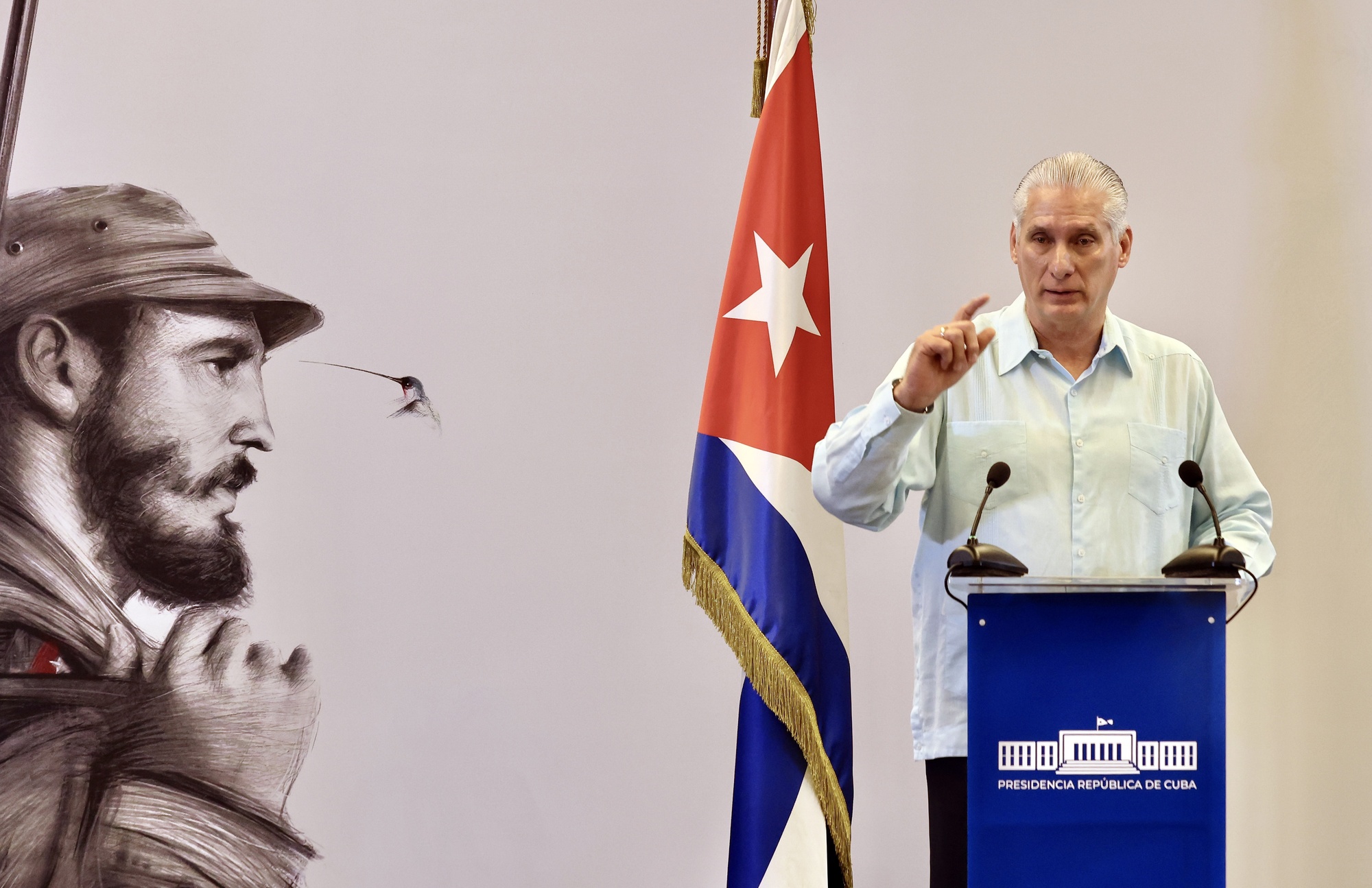
According to The New York Times, the administration of President Donald Trump is attempting to persuade Cuban President Miguel Díaz-Canel to voluntarily resign. The newspaper reports that American participants in the talks indicated to the Cuban side that the president's resignation would be a desirable step, but left concrete actions to Havana's discretion.
At the same time, Politico reported on pressure options, including discussion of energy restrictions, and at the end of January Trump signed an executive order declaring a state of emergency regarding Cuba. These steps form a series of actions that combine diplomatic pressure, economic levers and political signals.
Why it matters (context and interests)
This initiative has several levels of meaning. First, it concerns the opening of Cuba's economy to American business: replacing a leader who is considered a hardliner creates space for gradual economic reforms and direct investment.
Second, it's an element of U.S. domestic politics: a symbolic victory before the electorate of the Cuban diaspora and conservative-leaning voters. Third, the geopolitical dimension: weakening Cuba’s ties with external patrons (historically — Moscow) changes the balance of power in the region.
"Americans made clear to the Cuban participants in the talks that the president must go, but they are leaving further steps to the discretion of the Cubans."
— A New York Times source familiar with the negotiations
Mechanisms and logic of the actions
According to reports, the strategy combines diplomacy with economic levers: withholding supplies of resources, sanctions and the promotion of "positive" deals if Havana agrees to concessions (release of political prisoners, removal of influential old-guard functionaries). This is a classic approach — to change the regime's behavior through transactional incentives, without seeking an immediate revolution.
"It is presented not as an ultimatum, but as a path to productive deals — with economic opportunities if there is a political concession."
— A New York Times source
Risks and potential consequences
Even if Díaz-Canel leaves, the system may remain unchanged: NYT sources point to the possible role of Rodríguez Castro as a "behind-the-scenes leader." Thus a symbolic change of face does not guarantee democratization and could become an instrument of U.S. influence without deep reforms.
There are also risks of escalation: economic pressure could worsen the humanitarian situation, provoke a wave of migration, and give Moscow or other actors a reason to step up coordinated support for Havana. For international norms this is a difficult precedent: acting by nudging internal changes is legitimate, but delicate.
What this means for Ukraine
For Ukraine, this case is a reminder of several things: how great powers combine sanctions, diplomatic and economic pressure; how symbolic victories can have limited practical effect; and how important the role of international law and partner coordination is in avoiding unintended consequences. Ukraine can use these lessons in shaping sanctions and information policy, taking into account how external incentives work on the internal transformations of regimes.
Conclusion
The U.S. initiative to oust Díaz-Canel is a pragmatic move that combines politics, business interests and America's domestic politics. But replacing the leader is not identical to changing the system. The key now is whether these diplomatic signals and economic levers will turn into real reforms in the interests of Cubans, and not merely a political triumph in Washington.
"This decision has been ripening for a long time: for the U.S., it's not so much the change of person that matters as the opening of the market and symbolic political victories."
— An international relations analyst, comment for RazomUA





