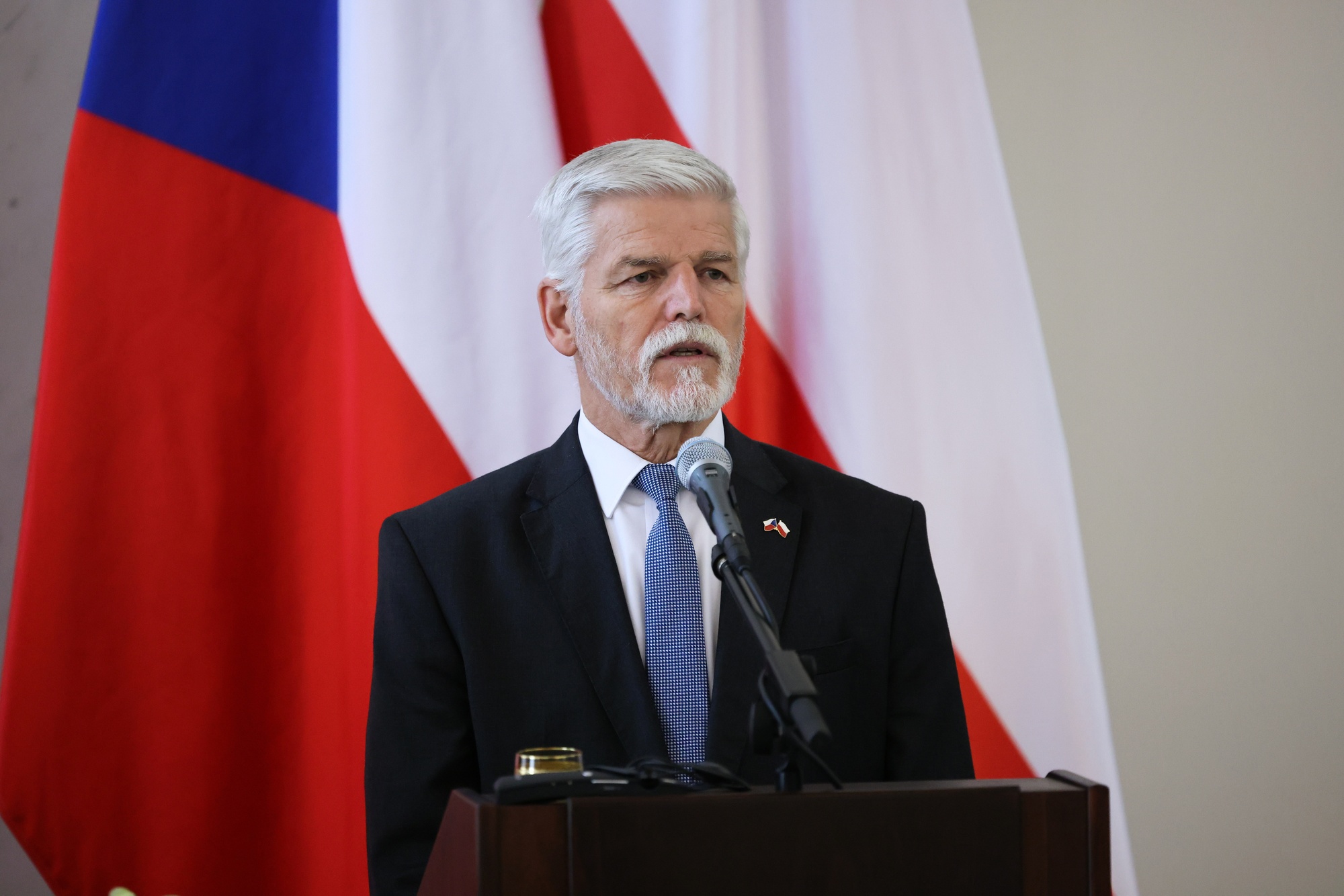
What Petr Pavel Said
In an interview with the outlet Odkryto, Czech President Petr Pavel called the signing of a peace agreement regarding Russia's war against Ukraine unlikely in the short term. He explained this not as pessimism but as an assessment of the real balance of forces and the motives of the parties.
"If anyone expected that an agreement between Ukraine, European states, the United States and Russia would be reached in the short term, then they were, without a doubt, naive"
— Petr Pavel, President of the Czech Republic
"What matters is not the agreement of Ukraine and its supporters, but agreement on the terms of a peace deal with the side that is fighting, that is, with Russia. Moscow has so far not shown particular readiness to negotiate and compromise. To date it insists on its maximalist goals... primarily — territory"
— Petr Pavel, President of the Czech Republic
Why This Matters for Ukraine
Assessment of Moscow's positions by the head of a neighboring European state is not a private opinion but a signal for diplomacy and defense: if the opponent stands on maximalist demands, negotiations without a change in the balance of forces risk ending in defeat for those defending sovereignty.
Partners' positions also matter: Pavel noted that the positions of Ukraine, Europe and the United States have coincided or nearly coincided. This is social proof — consensus provides the tools for long-term support, but it must be turned into concrete decisions and resources.
Against the backdrop of these assessments, it is important to recall two recent remarks: on February 7, 2026 Volodymyr Zelensky said that the United States is proposing to end the war by the start of summer, and Sibyga reported that Ukraine seeks to accelerate the end of the conflict, in particular before the start of the U.S. elections. These timelines align with the political interests of partners — but not necessarily with the opposing side's readiness to negotiate.
Practical Implications
Pressure on Russia — economic, political and financial — Pavel calls necessary. For Ukraine this means continuing to request heavy equipment, ammunition, sanctions and financial support, as well as political coordination that reduces the risk of unilateral concessions during negotiations.
Preparation for a prolonged phase: if there is no short-term peace, it is necessary to plan the budget, logistics and infrastructure recovery with a horizon of months and years, not weeks. This concerns mobilizing industry, working on energy autonomy, and social programs for internally displaced persons.
Communication with society — another front. Citizens need to understand the realities and priorities: not dramatization, but transparent goals and expectations from partners.
Conclusion
Petr Pavel's assessment is more than a critical comment: it is a reminder that peace agreements come together where there is a balance of interests and advantages. For Ukraine this means continuing to build capabilities, consolidate international support and turn diplomatic declarations into measurable results.
The question to ask partners and ourselves: are we ready, over the long term and consistently, to convert support into real levers of deterrence and recovery — so that peace is not merely a prospect but becomes the outcome of strategic work?





