Why it matters
For the first time Iran attacked Nakhchivan with drones — an incident with potential implications for the security of the South Caucasus. Statements by President Ilham Aliyev and the mobilization of army units indicate that Baku is responding firmly on the political level, but restrained in operational terms. For Ukraine this is another signal of growing regional instability and that threats from Tehran can take on a transregional character.
What happened
According to the Azerbaijani state agency AZERTAJ, at around noon on March 5 Iran used unmanned aerial vehicles against targets in Nakhchivan for the first time — hitting the airport terminal, a school and infrastructure. The Iranian ambassador was summoned to the Azerbaijani Foreign Ministry, and Tehran will be issued a strong protest.
Baku's position
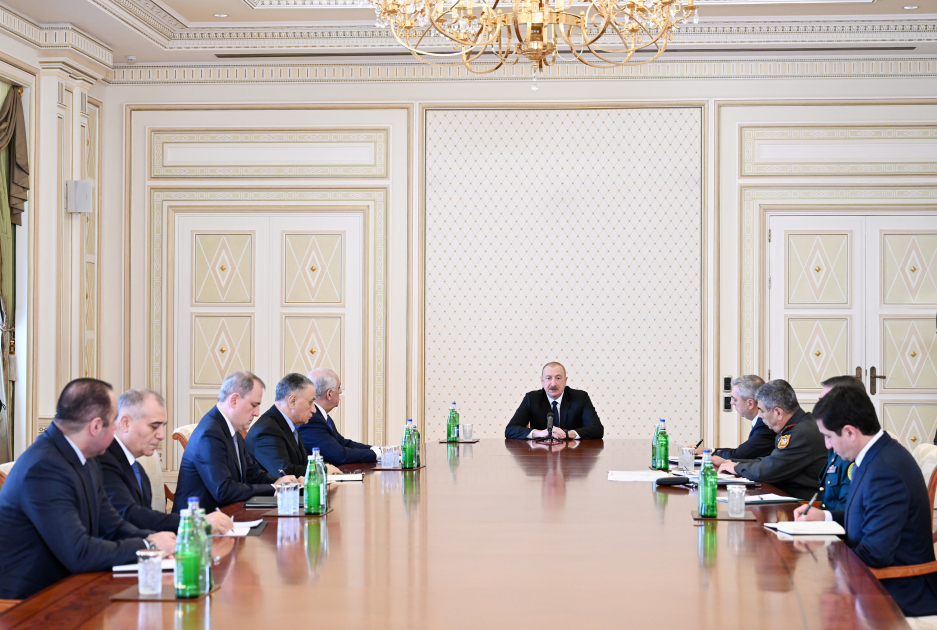
Aliyev sharply condemned the strike, but at the same time confirmed that Azerbaijan does not intend to broaden the conflict by conducting operations against Iran. He emphasized readiness to defend territorial integrity and ordered forces to be placed on heightened alert.
"Iranian officials must provide explanations, apologize to the Azerbaijani side, and those who carried out this terrorist act must be held criminally accountable"
— Ilham Aliyev, President of Azerbaijan
Aliyev also recalled that earlier Baku had expressed condolences to Iran in connection with recent events in the region, and pointed to humanitarian assistance — in particular, the evacuation of Iranian diplomats at Tehran's request.
Kyiv's reaction and the international dimension
Ukrainian diplomacy condemned the attack and called for a consolidation of efforts to neutralize threats emanating from the regime in Tehran. Kyiv's statements underscore that for Ukraine this is not only solidarity with a neighbor but also a matter of its own security in a broader geopolitical context.
"Iran's attack on Azerbaijan once again demonstrates that the regime in Tehran constitutes a global, not a regional, threat"
— Andriy Sybiha, representative of the Ministry of Foreign Affairs of Ukraine
What it means going forward
In short: Baku is choosing a combination of political toughness and operational restraint — this reduces the risk of immediate escalation, but does not remove concern. The mobilization of units and diplomatic protest notes put pressure on Tehran while leaving room for further incidents. For Ukraine it is important to monitor developments: any additional destabilization in the Caucasus will complicate the security environment and may require coordination with partners.
Analysts note that the key now is how regional and global players will react. Declarations must turn into concrete deterrence mechanisms, and much will depend on whether the incident remains an isolated flare-up or develops into a longer-term crisis.





