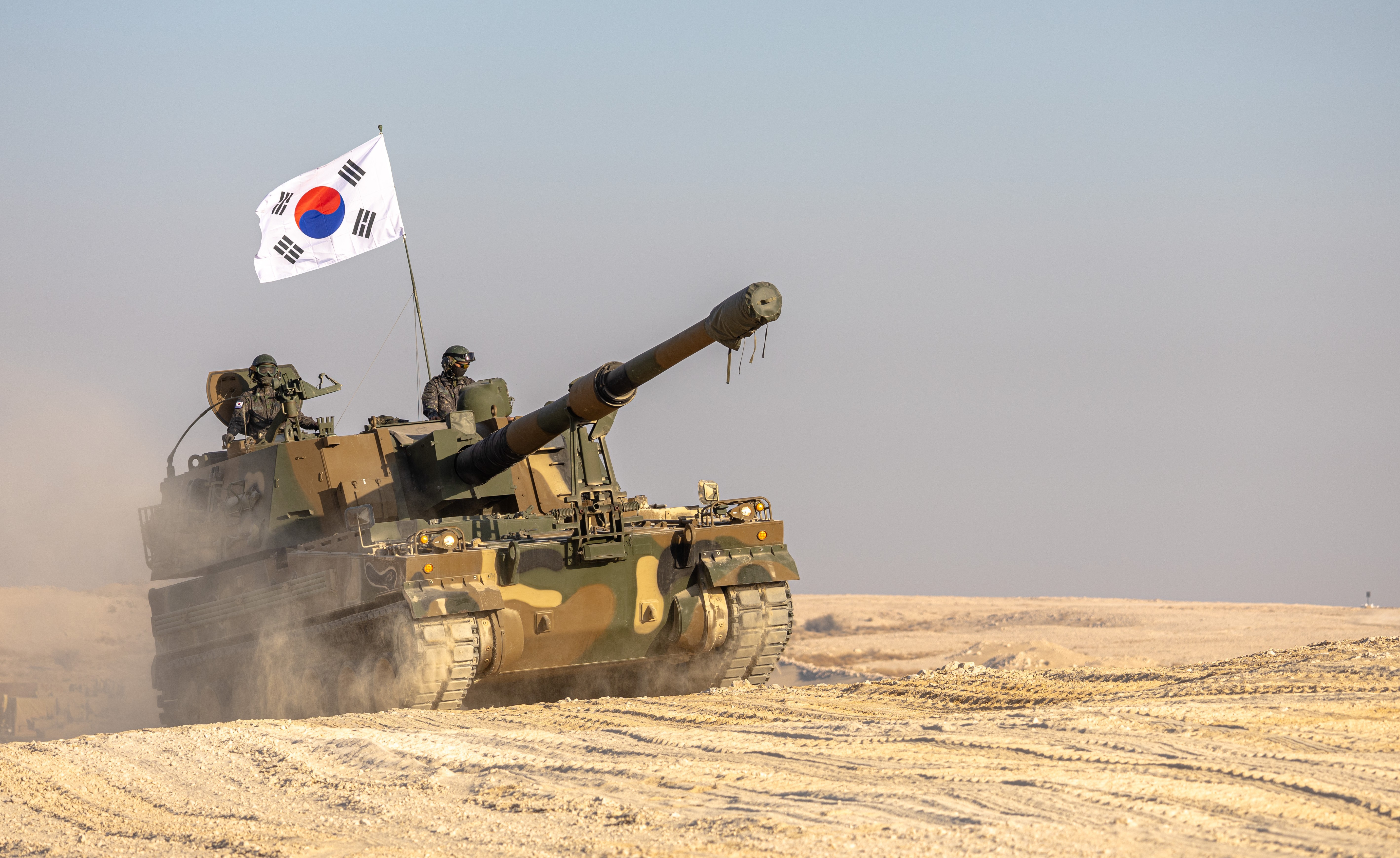
South Korea Aerospace Industries has been discussing its own air defense systems for years, while Seoul, meanwhile, is explaining to Kyiv why it cannot transfer any of them. Yonhap, citing a source in South Korea's Ministry of Foreign Affairs, reports that decisions on military assistance to Ukraine are made "taking into account the requirements of domestic legislation" — and this legislation still says "no."
The Paradox of Seoul's Caution
The logic seems contradictory at first glance. South Korea is officially concerned that Russia is receiving ballistic missiles and manpower from North Korea — according to Zelenskyy, Moscow plans to involve another 30,000 North Korean troops. In other words, Seoul sees weapons and technologies invented specifically to counter itself now being tested in a real war thousands of kilometers away. It would be logical to seize the opportunity and see how this weaponry works against a modern army — exactly what Ukraine could demonstrate in return for air defense supplies. However, the domestic law banning the export of lethal weapons to zones of active conflict turns out to be stronger than this argument.
What Seoul is Willing to Give Instead of Weapons
A Foreign Ministry representative clarified that assistance to Ukraine continues — but in other formats: energy, infrastructure, healthcare, education. This is not a gesture of goodwill circumventing the law, but a conscious strategy: to support reconstruction without crossing the line that would make South Korea a party to the armed conflict in the eyes of its own society and neighbors.
"Our government's position is that this cooperation [between Russia and North Korea] must stop immediately. We are closely monitoring the situation," said the Foreign Ministry official.
Regional Calculation More Important Than Ukraine
For Seoul, the situation in Ukraine is first and foremost a test of how ready Pyongyang is to exchange missile technologies and combat experience for Russian support. Andrii Chernyak from the Main Intelligence Directorate reported to Reuters about the deployment of a North Korean missile forces unit in western Russia — and this is already a matter not so much for Kyiv as for Seoul itself: whether this experience will return in the form of a modernized North Korean army near its own border.
That is why South Korea prefers to criticize the Moscow-Pyongyang alliance with words rather than actions that could provoke this alliance even further. The only question is whether this cautious position will hold if Pyongyang receives technologies from Russia that will change the balance of power on the Korean Peninsula faster than diplomatic reservations can take effect.