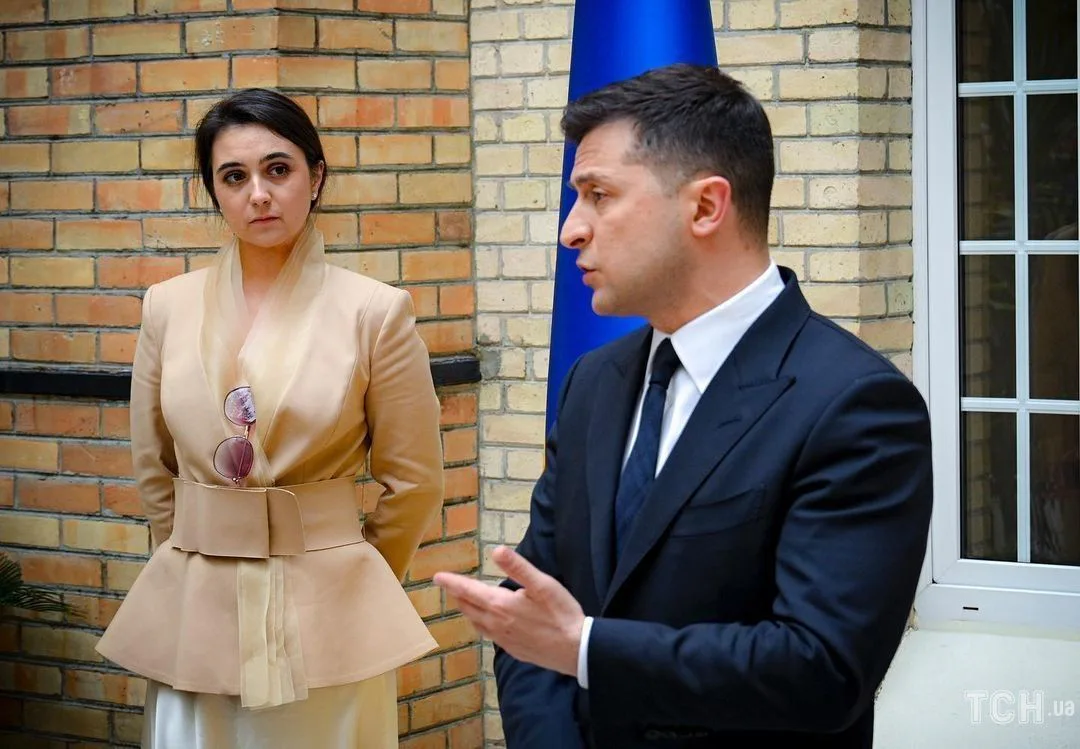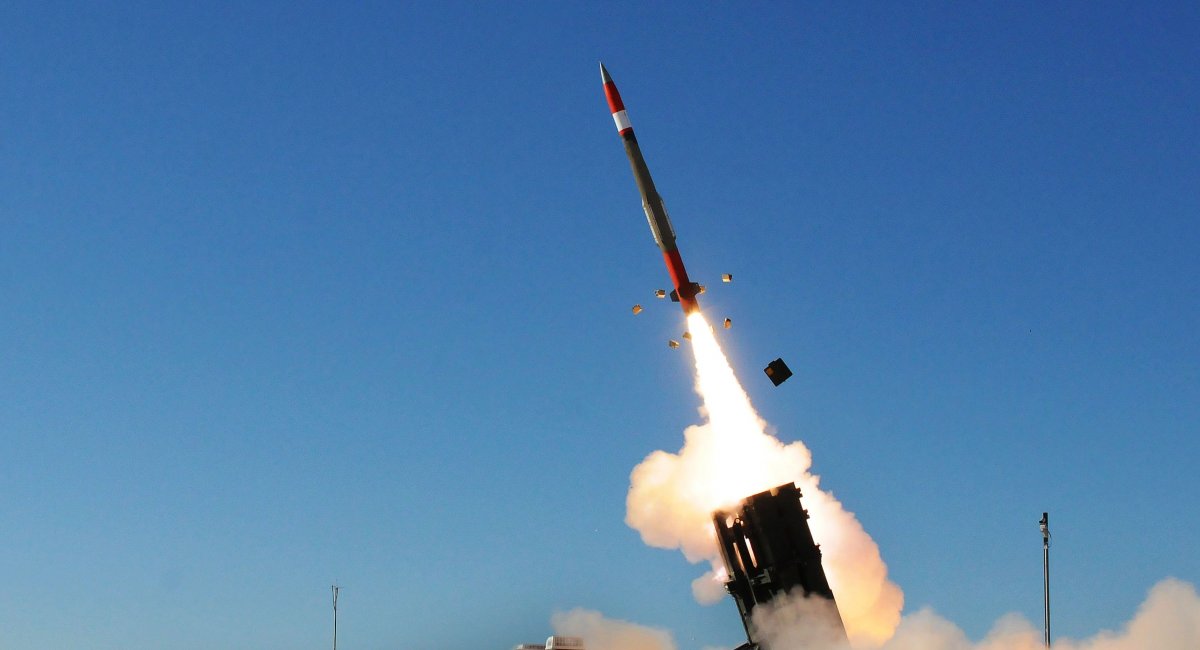
Poland's Deputy Minister of National Defense Magdalena Sobkowiak-Czarnecka held negotiations in Washington with representatives of the Pentagon and the State Department. Following these talks, she announced: Poland has officially proposed to the United States launching a tripartite format for PAC-3 missile production for Patriot systems — with the participation of Washington, Warsaw, and Kyiv.
Why specifically Polish territory
Warsaw's key argument is the safety of the production site. According to Polish Radio, citing Sobkowiak-Czarnecka, the purpose of the proposal is "to ensure that production takes place in a safe location." Poland also claims the status of a regional center for Patriot technical maintenance on NATO's Eastern Flank.
This is not Warsaw's first application: back in May 2026, Deputy Minister Cezary Tomczyk announced that the U.S. State Department had given preliminary permission to localize missile production at Polish defense enterprises. At the NATO summit in Ankara, Poland joined a group of four allies — along with Germany, Sweden, and the Netherlands — allowed to transfer technologies related to Patriot production and maintenance.
"Our proposal responds to the concerns expressed by the American side"
Magdalena Sobkowiak-Czarnecka, Deputy Minister of Defense of Poland
Context: the scandal that changed the tone of discussion
The initiative emerged against the backdrop of an acute domestic political crisis. On July 4–5, Sejm Vice-Speaker Krzysztof Bosak from the far-right "Confederation" published a statement on platform X claiming that in spring the Polish government secretly, without informing the Sejm, transferred PAC-3 MSE air defense interceptors to Ukraine — the same missiles Poland had purchased for its own multilayered air defense system.
According to Bosak, these are the only missiles in the Polish arsenal capable of shooting down Russian Iskanders from Kaliningrad. He claimed that Poland also gave up its place in the U.S. production queue — meaning it will now have to wait years to replenish its supplies. The government confirmed the fact of the missile transfer, but parliamentary debates regarding the transparency of the decision continue.
In parallel, U.S. President Donald Trump announced at the Ankara summit that Washington would provide Ukraine with a license to manufacture Patriot. Polish Defense Minister Władysław Kosiniak-Kamysz clarified that preparatory work for joint PAC-3 production could take just weeks if the parties reach an agreement.
What is holding up the process
- The United States itself faces a shortage of interceptors due to global demand — Kosiniak-Kamysz openly acknowledged this.
- Missile production is technologically complex: even with a license, launching a production line requires time and specialized equipment.
- Bloomberg noted that a plant in Ukraine could become a priority target for Russian strikes — which is why the Polish deployment option appears as a compromise between logistical proximity to the front and facility security.
- The tripartite format remains a proposal for now: the American side has not given confirmation, negotiations are ongoing.
If Washington approves the Polish site, Warsaw would obtain what it has sought for years — the status of NATO's industrial hub in the east. The question is whether Raytheon and the State Department will agree to transfer PAC-3 production technology outside the United States before closing their own interceptor shortage.