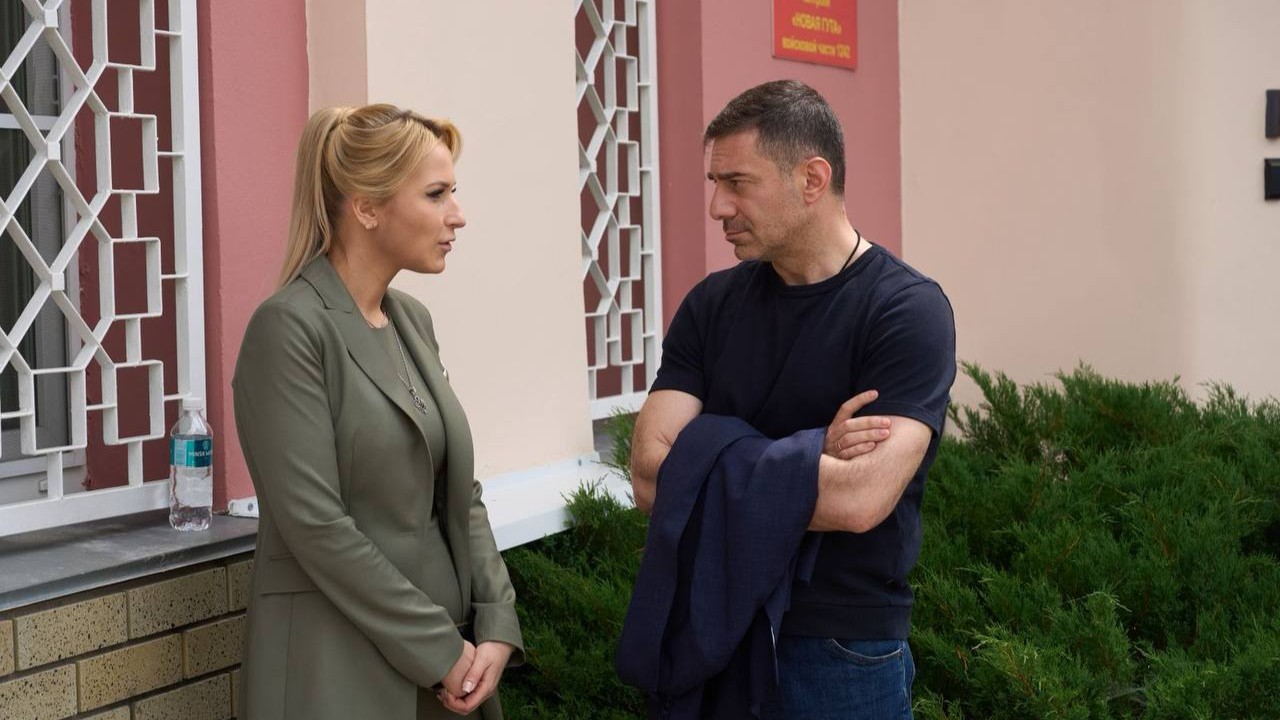
When the next prisoner exchange took place on June 26, Ombudsman Dmytro Lubinets took the opportunity to meet with Russian Commissioner Yana Lantratova. The result was not an agreement, but a set of arrangements: mutual visits to prisoners of war, verification of Ukrainians in Russian captivity, and most importantly, the exchange of large lists of military personnel missing under special circumstances.
What stands behind the word "list"
The unified register of persons missing under special circumstances contains data on more than 80,000 people — military and civilians. According to the human rights center ZMINA, the real figure could be even higher: some of those missing in occupied territories simply do not make it into the register.
The transfer of lists is not a confirmation of status. It is a request: check if this person is with you. The answer depends entirely on the goodwill of the side that received the list.
"For me, the main thing is the result that will help our citizens: those in captivity. Those missing. Their families."
Dmytro Lubinets, Ombudsman of Ukraine
A parallel process — from the other side of the front
While Kyiv searches for its own, more than 100,000 Russian families have turned to the Ukrainian project "I Want to Find" to learn the fate of their relatives. According to Kyiv Independent, in May 2025 alone, the project received a record 12,320 inquiries — the most since its launch in January 2024. The Kremlin officially conceals the scale of losses, so some Russian families seek answers in Ukraine.
This creates an asymmetry: Ukraine publicly verifies missing Russians, Russia does not. Lubinets understands this and therefore emphasizes reciprocity as a condition for continuing the work.
What is left unsaid
None of the arrangements made on June 26 have a control mechanism. There are no deadlines for responding to the transmitted lists, no third party to record compliance. According to HUR representative Andrii Yusov, Russia systematically drags out negotiations, makes unrealistic demands, and applies information pressure — "the entire arsenal has remained unchanged since the beginning of the full-scale invasion."
- Among those returned under the "1000 for 1000" exchange were former convicted persons who were already under deportation — not combat prisoners
- No Azov fighters have been in recent exchanges
- Final verification of most missing persons is only possible after deoccupation
This means that even if Russia responds to the transmitted lists, the families of thousands of people from captured territories will only receive answers after the war ends — if they receive them at all.
If Moscow does not provide responses to the transmitted lists before the next exchange — will this stop Kyiv from further meetings with Lantratova, or will the arrangements continue regardless of the result?







