Briefly
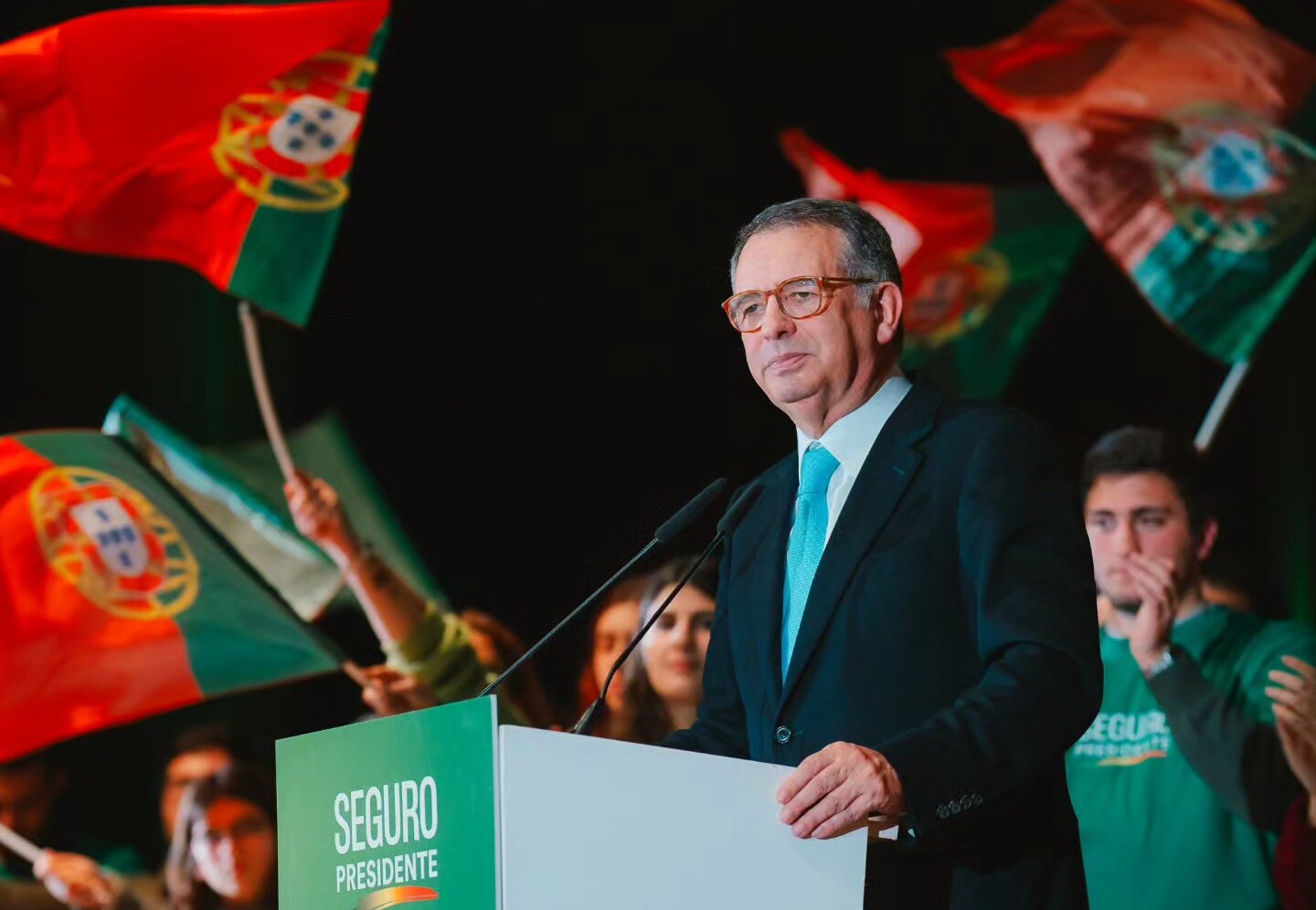
On 18 January the first round of the presidential election was held in Portugal: advancing to the second round, which will take place on 8 February, were António José Seguro (31.1%) and the leader of the far-right party Chega André Ventura (23.5%). This is the first time in about 40 years that no candidate won a majority in the first round, according to Politico and The Guardian.
What happened and why it matters
The result was surprising to some experts: pre-election polls had given Ventura the lead. However, Seguro made a breakthrough and now has a chance to unite those voters who seek to contain radical rhetoric.
“Ventura’s ability to secure nearly a quarter of the vote on Sunday underscores how rapid the rise of his party Chega in Portugal has been. In six years this ultra-nationalist grouping has gone from having only one deputy in parliament to becoming the main opposition force in the country, controlling more than a quarter of the seats in the legislature.”
— Politico
Portugal is a semi-presidential republic. The president has real instruments of influence, including:
- vetoing laws;
- ratifying international treaties;
- appointing the prime minister and dissolving parliament;
- appointing key officials and granting pardons;
- as commander-in-chief — influence over the deployment of the armed forces.
This means presidential elections are not mere ceremony: they shape the balance of power within the country and affect Portugal’s foreign stance on key security issues and European coordination.
Signals for Europe and for Ukraine
“In the five decades since Portugal overthrew its fascist dictatorship, presidential elections have required a second round only once — in 1986 — which underlines how fragmented the political landscape has become with the rise of the far-right and voter disillusionment with the main parties.”
— The Guardian
Experts stress that Chega’s success is a wake-up call: even in stable democracies the growth of radical forces is possible when voter disillusionment combines with a crisis of confidence in traditional parties. For EU countries, including Ukraine, this is an important indicator: the durability of European political support will depend not only on foreign policy but also on the domestic balance of power in each capital.
“Portuguese presidents have been a stabilizing force in the country’s politics since the founding of the republic, and the five previous presidents won two consecutive five-year terms. The Portuguese electorate has traditionally chosen presidents who balanced against the dominant political force of the time.”
— Andrew Bernard, non-resident senior fellow at the Atlantic Council’s Europe Center
What to expect next
Political commentators see two scenarios: the mobilization of broad coalitions against Ventura, or the consolidation of new political realities with his participation in power. Whatever the outcome, the second round on 8 February will be a litmus test: whether traditional forces can unite around a candidate who keeps extremists out of institutions, or whether radical movements will cement their influence in a key state institution.
Question to consider: does Europe have enough tools and political will to preserve the stability of allied positions in the event of further radicalization by certain members? The answer will be determined not only by Portugal but also by the EU’s capacity to act as a united front on security issues and in support of democracies.





