Important to know
Incidents of Ukrainian drones falling on the territory of the Baltic countries are not isolated technical failures and not a "betrayal" by Kyiv. According to the Estonian defense minister, they are a side effect of a broader Ukrainian operation aimed at depriving the Kremlin of revenue from energy exports in the context of a price surge following the escalation in the Middle East. This directly concerns Europe's security and the financing of Russia's war machine.
What was said
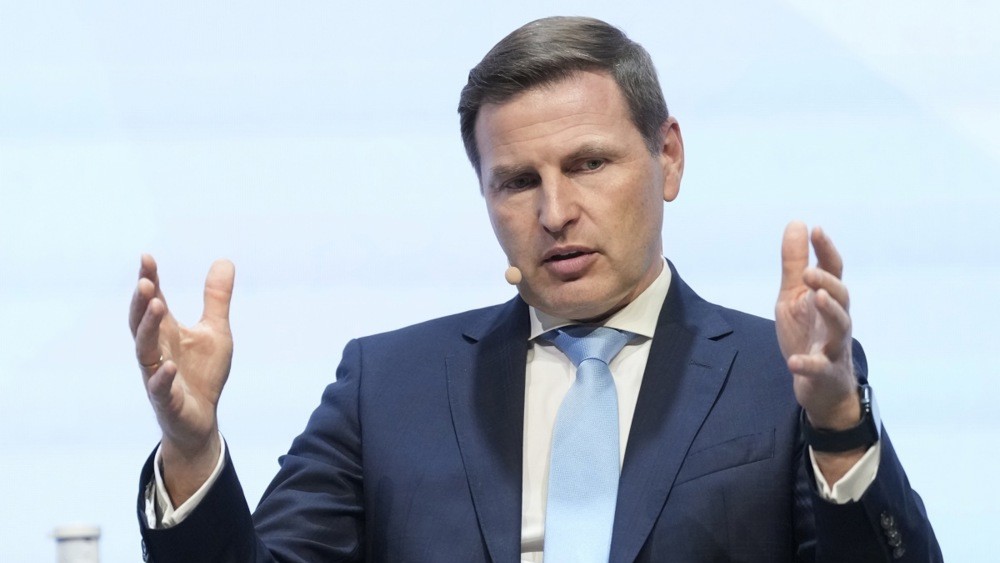
"Yes, an Estonian power plant was struck, but only the chimney was damaged — the damage is very minor, so there are no risks to energy supply. At the same time, we understand that the cause of this is not Ukraine's actions. The cause is Russian aggression in Ukraine, and Ukraine is defending its freedoms"
— Hanno Pevkur, Estonia's Minister of Defense (source: DRM News)
"The conditions of rising oil prices mean that the Russian war machine will receive more money — approximately $150 million per day, $1 billion per week and up to $50 billion a year if the trend continues"
— Hanno Pevkur, Estonia's Minister of Defense
Why this happened: a brief logic
1) The blockade of the Strait of Hormuz and the escalation in the Middle East pushed oil prices up — this has been noted in international reviews. Some of the US measures to ease sanctions were intended to increase supply on the market, including from oil already at sea.
2) For the Kremlin this means additional revenue. Higher prices and weakened controls mean billion-dollar inflows that can be directed to waging war. This assessment is partly supported by calculations cited by Ukrainian officials and the media.
3) Ukraine is responding with military-economic strikes on port infrastructure and export chains — to reduce revenue flows to the Russian Federation. This generates risks of "collateral damage" when debris from equipment or UAVs ends up in neutral or allied countries.
Facts and corroboration
Sources: Pevkur's speech (DRM News), materials from LIGA.net on the conflict's impact on prices, and Reuters calculations indicating that about 40% of Russian oil export capacity was suspended after a series of attacks and logistical complications.
Implications for security and policy
First, the increase in Russia's profits directly strengthens its ability to finance offensive operations. Second, incidents in the Baltics pose a challenge to NATO — to balance political support for Ukraine with the risk of escalation on allied territory. Third, coordinated work is required: monitoring tankers, strengthening sanctions oversight, and providing logistical assistance to Ukraine so that strikes on infrastructure are more precise and less risky for third countries.
Conclusion
This chain of events shows that energy and security have long been inseparable. Ukraine is using tools that have an economic impact on the Kremlin — but these actions require partners to clearly manage risks and provide real coordination. The next step is up to partners: to translate political support into practical tools for controlling shipping, strengthening the sanctions mechanism, and additional defense assistance to reduce both financial flows to Russia and indirect risks for NATO countries.





