Briefly — what happened
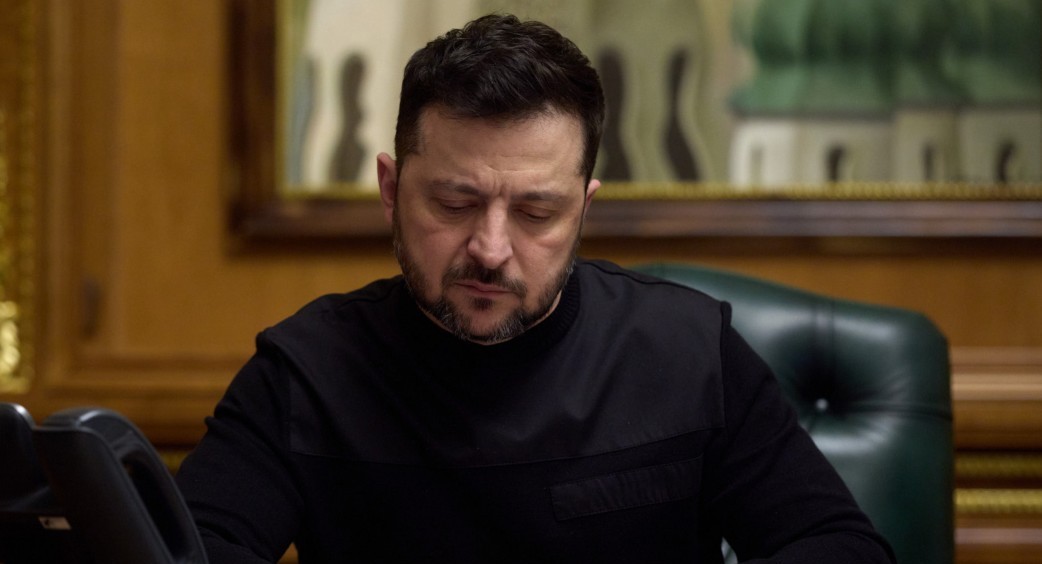
President Volodymyr Zelensky reported that so far there have been no signals from partners about reductions in deliveries under the PURL program, despite the escalation in the Middle East. He said this in the Office of the President chat and added that he continues contacts with European and American partners.
What Zelensky said
"So far, we have not received such signals from the Americans or the Europeans. Everyone understands that this is our life, the appropriate weapons. For now the PURL program is working. I am working to ensure that there are tranches from our European partners"
— Volodymyr Zelensky, President of Ukraine
The president also noted that so far no direct changes in planned deliveries have been observed, but warned: if hostilities in the Middle East continue for a long time, this could affect supplies of air defense systems and other types of weaponry.
Why this is important for Ukraine
There are several rational reasons why a regional escalation creates risks for deliveries:
- Reallocation of resources: in the event of a prolonged operation, partners may temporarily prioritize other theaters or hold back part of their stockpiles for their own needs.
- Logistics and the security of air and sea corridors: route complications or higher insurance and operational costs can slow deliveries.
- Political focus: diplomatic and budgetary decisions by partner countries may push funding and formal approvals to a later date.
What Ukraine is doing
Zelensky emphasized two directions: maintaining dialogue with allies (he specifically mentioned a phone call with the German chancellor) and increasing funding for domestic production. Separately, the president underscored efforts to prevent the blocking of an EU tranche of funds in the amount of 90 billion euros.
"So far the deliveries we were counting on have not decreased. But only a day has passed in principle, so it's too early to draw conclusions... If there are prolonged hostilities in the Middle East, it will certainly have an impact"
— Volodymyr Zelensky, President of Ukraine
What scenarios are possible
Analysts point out that the most likely short-term consequences are delays and additional checks, while long-term effects include the temporary reorientation of production capacity or budgetary priorities in partner countries. The most critical scenario is a prolonged widening of the conflict, which would reduce the availability of critical components and ammunition.
Conclusion
So far there are no official signals of cutbacks in supplies under PURL — but Ukraine must act on two fronts: maintain partners' diplomatic commitments and accelerate the development of its own industrial base. The practical question remains: can declarations of support be turned into reliable contracts and delivery schedules under the new conditions?





