What happened
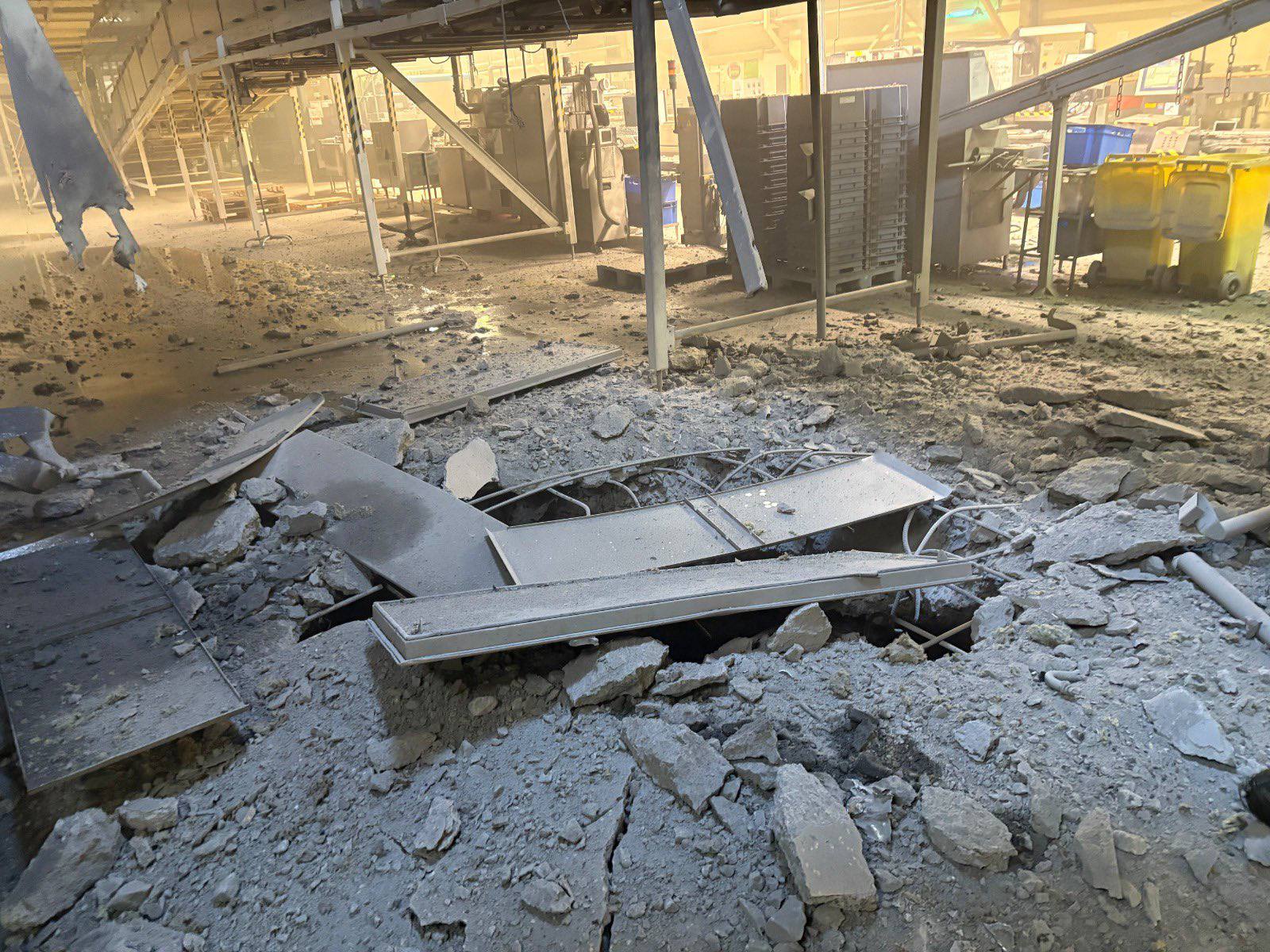
In the night before 22 February, a Russian missile struck one of the production buildings of the Mondelēz plant in Trostianets (Sumy region). According to the Ministry of Foreign Affairs, there are no casualties; the plant’s infrastructure was damaged. The factory has operated in the region since the 1990s and produces well-known brands — Milka, Oreo, Korona and others.
"When Russian missiles strike such targets, they are aimed not only at Ukraine. They are aimed at American business interests in Europe. Moscow cannot talk about an economic dialogue with the United States while attacking American production capacities."
— Andriy Sybiha, Minister of Foreign Affairs of Ukraine
Why this matters for Ukraine and the United States
This strike is not against abstract industry, but against Ukrainian jobs and the foreign investments that were built up over decades. Mondelēz was one of the first major American investments in Ukraine’s independent economy; its enterprises provide taxes, jobs and logistical connections.
By attacking such targets, the Russian Federation increases economic pressure and undermines the foundations of recovery — both locally and in terms of foreign business confidence. For the reader, this means: slower investment, and risks to local employment and services.
Context: a series of attacks on civilian infrastructure
The attack on Mondelēz fits into a chain of strikes on facilities involving foreign businesses and civilian infrastructure:
- In August 2025 — a strike on the Turkish Baykar factory in Ukraine.
- 6 December — a fire at PROSTOR chain warehouses and Med-Service pharmacies as a result of shelling.
- November — a Shahed struck a warehouse of the UN World Food Programme.
- 30 January — shelling of the Philip Morris factory in Kharkiv, which led to a warehouse fire.
Analysts note: targeted damage to industrial and logistical assets is part of a strategy that has economic, psychological and political effects simultaneously.
What's next and the consequences
First, an immediate investigation and documentation of the consequences for international partners are necessary — this forms the basis for holding Russia accountable through international institutions and sanction mechanisms.
Second, the Ukrainian state and business partners must accelerate measures for physical protection of critical infrastructure, risk insurance and diversification of logistics.
Finally, Ukraine’s partners — political and corporate — must turn declarations of support into concrete decisions: funding for reconstruction, strengthening security measures for foreign investments, and legal assistance in bringing the perpetrators to justice.
Conclusion: the strike on Mondelēz is not an isolated episode; it is a test of the international community’s readiness to protect investments and hold the aggressor accountable. Now the ball is in the partners’ court: will words be turned into action?





