What happened
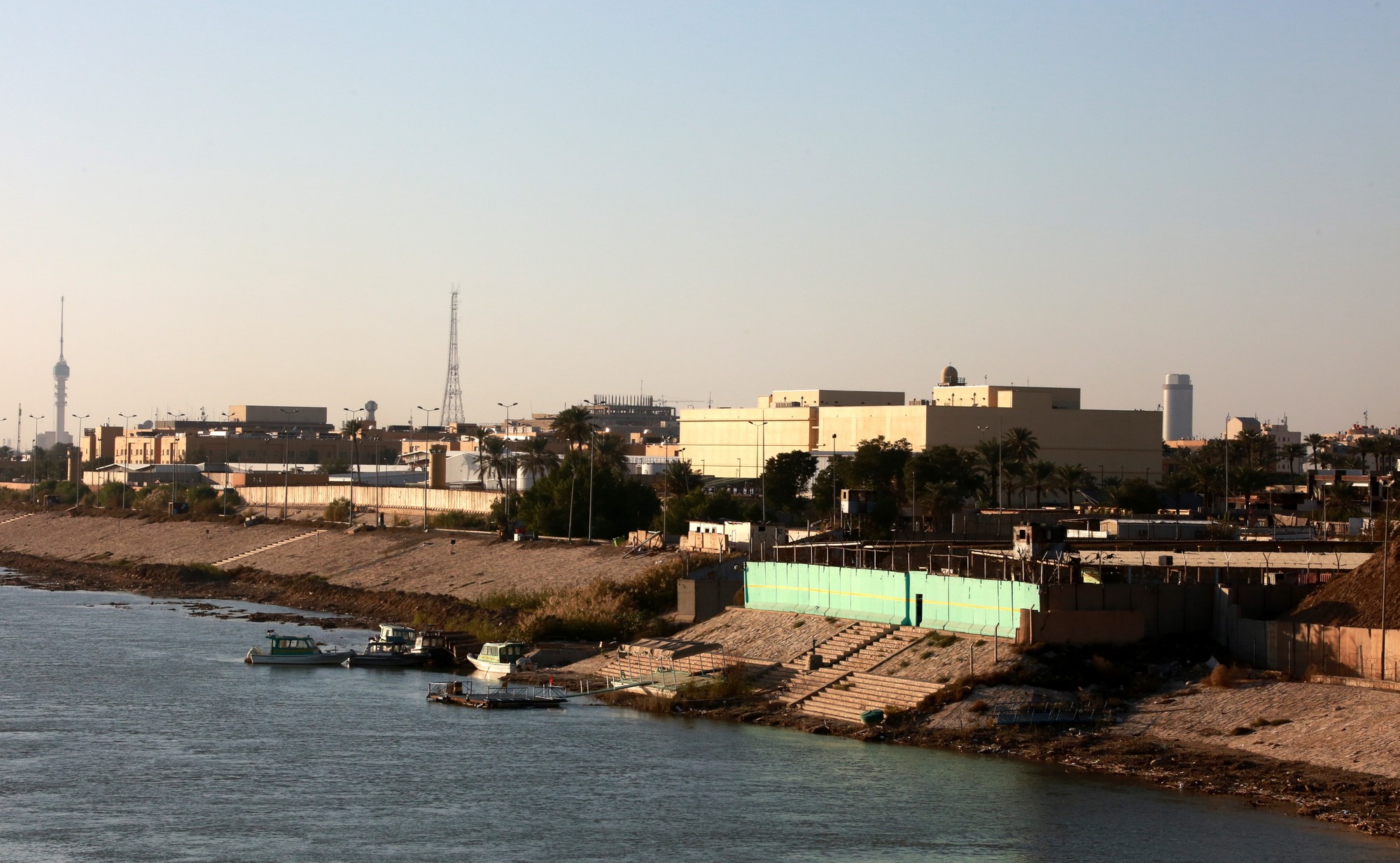
Associated Press and Reuters report that on the morning of 14 March a rocket strike hit the grounds of the U.S. Embassy in Baghdad: video shows a column of smoke over the complex, and interlocutors in the Iraqi security service say the rocket struck the helipad. There are no official comments from the embassy yet.
Sources and operational details
The incident was reported by two leading agencies — AP and Reuters — which cite interlocutors in the Iraqi security service and video obtained by the newsrooms. The reports do not directly assert whether the rocket came from Iran; authorities had reported an elevated threat level the day before.
"A direct hit on the C-RAM system at the U.S. Embassy in Baghdad. This attack followed reports of assassination attempts on resistance leaders in the city."
— MonitorX (@MonitorX99800), 14 March 2026
Context: previous attacks and the threat level
The day before, on 13 March, the embassy updated its threat level to level four, reminding that Iran and Iran-linked groups have previously attacked U.S. interests in the region and may continue to do so. The large embassy complex in Baghdad has repeatedly been targeted by rocket fire and drone strikes associated with Iran-backed forces.
Tensions in the region have risen in recent days: on 12 March Iran struck a military base in Iraq with kamikaze drones, killing a French service member and wounding several others; U.S. forces also suffered losses of aircraft and crew, sources reported. These events create a backdrop of heightened danger for diplomatic facilities.
What this means for security (brief)
First, even well-protected complexes can be vulnerable to rocket and drone attacks — this underscores the need for a layered defense system, where C‑RAM and ground-based air defenses complement intelligence and early warning.
Second, the strike in Baghdad raises the risk of escalation between foreign forces and local groups linked to Iran. Analysts note that such attacks serve to raise tensions, creating political pressure on the U.S. and its partners.
Why this matters for Ukraine
The experience in Baghdad underscores a universal lesson of 21st-century warfare: defense against rockets and drones is not only a matter of technology, but also of systemic preparedness, integration of air defenses, and logistics. For Ukraine, this is another argument for strengthening target detection capabilities, building stocks of effective interception systems, and coordinating internationally on equipment supplies and intelligence sharing.
Final: what to expect next
For now the key things are official statements from the U.S. and Iraqi authorities, and verified information on casualties and the extent of damage. If a deliberate attack by Iran or its proxies is confirmed, it could change the operational dynamics in the region. It is important to watch partners’ reactions: will warnings turn into concrete steps to strengthen security and deterrence?





