An important nuance in the official protocols
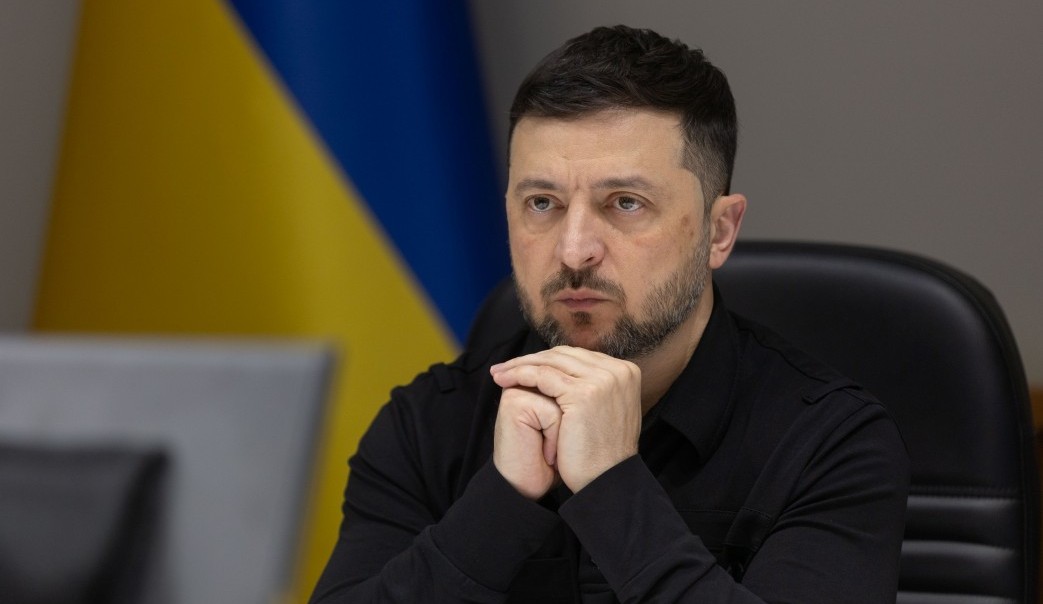
In an interview with Axios, President Volodymyr Zelensky said he is ready to put the updated "peace plan" to a referendum provided there is a ceasefire of at least 60 days. This is not a symbolic demand: it concerns the basic guarantees of security and the legitimacy of the vote.
According to the president, 60 days is the minimum time needed to set up polling stations, transport voters and create conditions under which citizens can vote safely. Holding a referendum amid active shelling risks turning the result into a subject of doubt and legal challenges.
"I have some intelligence data <…> but I am now at the stage where I want to believe only the words of leaders"
— Volodymyr Zelensky, President of Ukraine (interview with Axios)
Context and timeline
Key dates: on December 24 the president published all 20 points of the updated draft peace agreement, some of which are contentious; on December 26 he said the plan is 90% ready. The question now shifts from the text of the document to the ability to ensure conditions for its legitimate adoption.
Practical implications
A referendum during wartime requires not only political agreement but also clear mechanisms for controlling the ceasefire, international monitoring and logistical support. If these conditions are not met, the result can be challenged both domestically and on the international stage — which would weaken Ukraine's negotiating position.
The president's statement emphasizes two things: first, the safety of citizens; second, the need to turn partners' declarations into real guarantees. Without external oversight and technical guarantees, a 60-day ceasefire risks remaining only on paper.
Summary — what next?
Zelensky's decision moves the referendum issue from the realm of political intentions into the practical sphere: talks are now needed on mechanisms for a ceasefire and international guarantees for its implementation. If such mechanisms do not materialize, the vote could become a basis for legal and political disputes and would not strengthen — but rather weaken — Ukraine's position.
Will partners be able to provide a sufficient ceasefire regime so that the referendum can be held legitimately and safely? The answer to that question will determine not only the form of the vote but the next phase of peace negotiations.







