When discussing strikes on publishing houses, it's easy to imagine abstract figures of losses. But behind the words "600,000 textbooks lost" stands a concrete school in September, where a class of thirty children may not have enough basic textbooks in mathematics or Ukrainian language — and the teacher will have to improvise.
The Ukrainian Institute of the Book released an appeal to international publishers asking them to sever ties with their Russian counterparts not as a symbolic gesture, but as a practical step: according to their data, July and August strikes alone destroyed about 850,000 books in Kyiv and caused Kharkiv losses of nearly a billion hryvnias.
Where exactly the break in the chain occurs
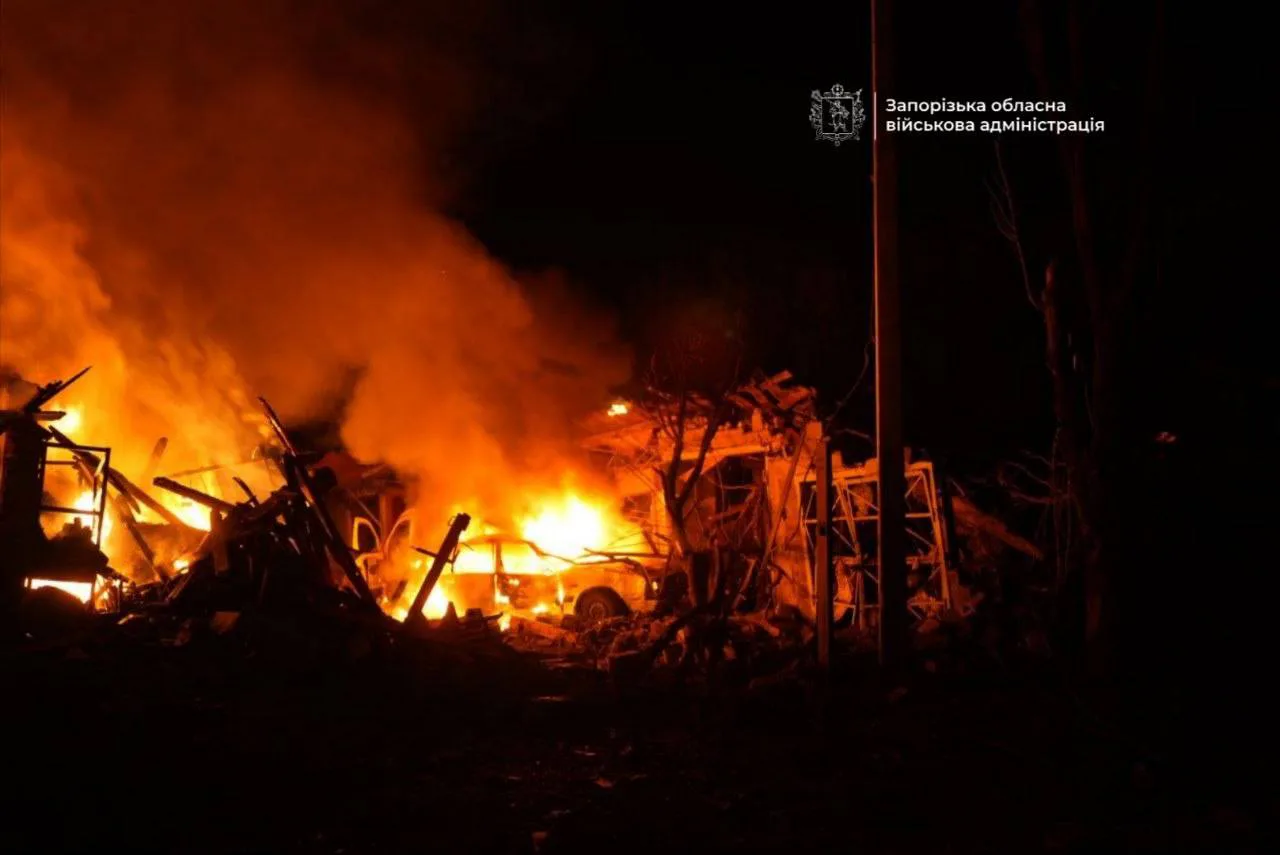
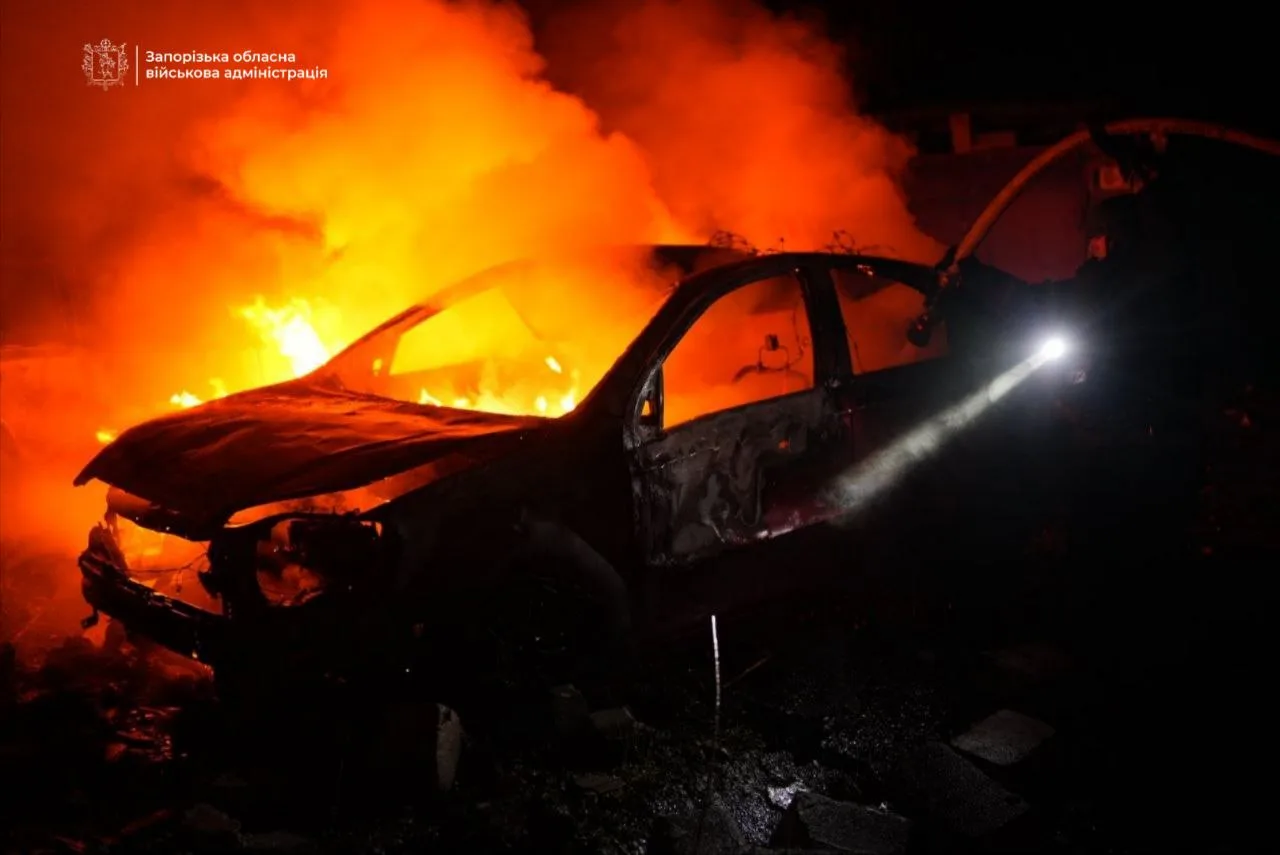
The destruction of the Konvi printing house in Kyiv is not just a lost print run, but a severed link in production: that's where part of the output for dozens of publishing houses, from Ranok to Knyhohlov, was printed. When one powerful printing house goes down, delays affect everyone who turned to it, regardless of whether their own office was damaged.
The situation in Kharkiv is different: the strike on RNK-Ranok warehouses destroyed almost 8 million units of product at once — this is no longer a question of production capacity, but the physical destruction of finished goods that were supposed to be shipped to schools this summer.
Why this is critical right now
Textbooks are a product with a rigid seasonal cycle: they are printed in spring and summer to be distributed by September. Loss of a print run in July means that reprinting and delivering an alternative by September 1st is physically difficult even with available funds and paper.
The state has already instructed the preparation of a mechanism to compensate the industry, but the process of restoring print runs takes months — and the school year doesn't wait.
Therefore, the UIC's appeal is addressed not only to governments, but specifically to the publishing community: a request not merely to condemn the attacks, but to finance the restoration of print runs directly. This is an acknowledgment that state compensation will come with a delay that schools cannot afford.
- Total industry losses for July-August are estimated at over 1.5 million books and textbooks.
- The government ordered the development of an industry support mechanism on July 27; specific amounts have not yet been announced.
The question for September is simple: will the industry manage to replace destroyed textbooks by the school bell, or will schools start the year with a deficit and wait for printed books already during the academic year?