What happened
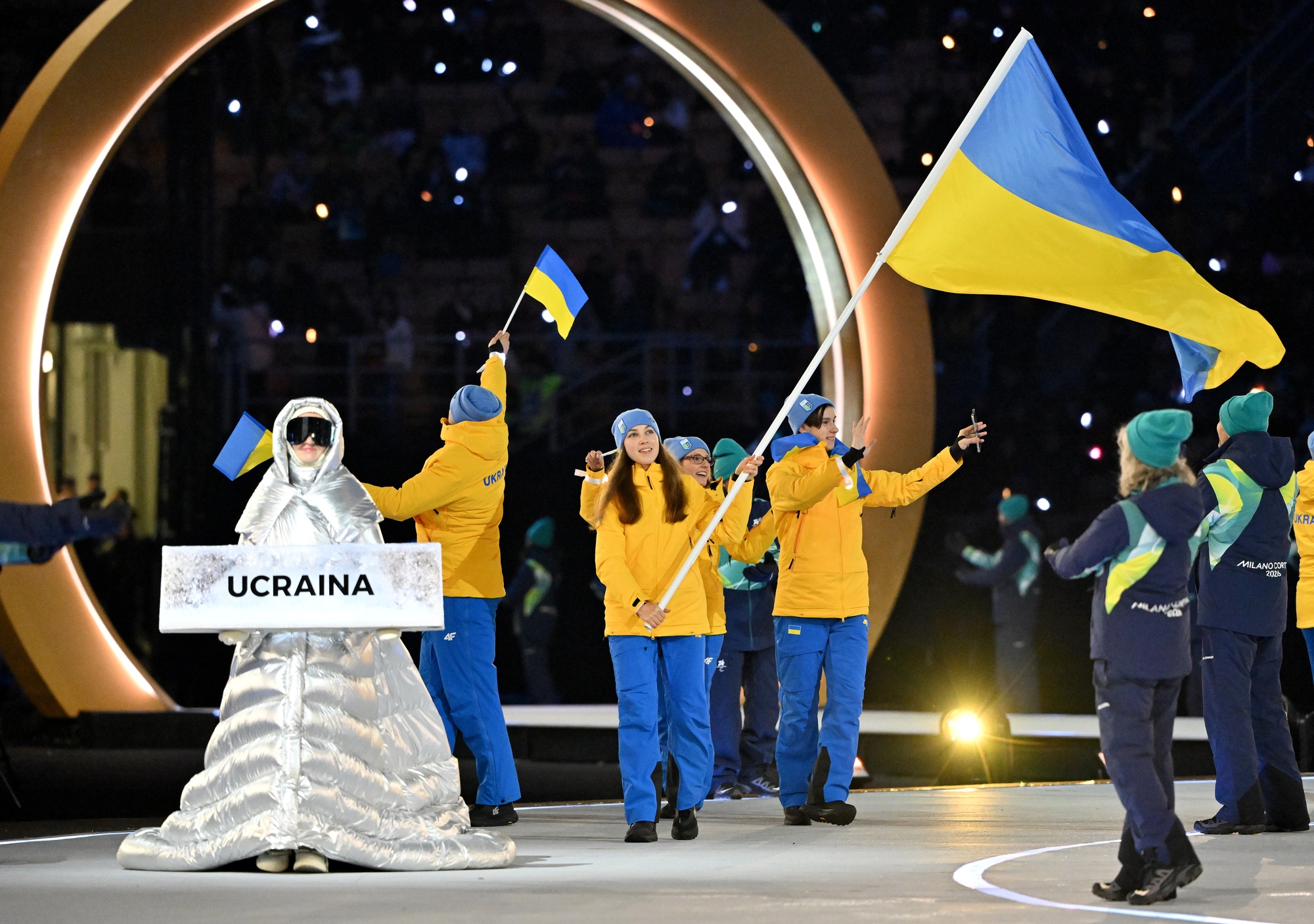
During the opening ceremony of the 2026 Winter Olympic Games in Milan, the placard for the Ukraine team was carried by a native of Russia who has long lived in Italy. The information was released by the Associated Press.
Anastasia Kucherova, an architect who has lived in Milan for 14 years, was among the volunteers who led the teams onto the San Siro stadium. The initial assignment was supposed to be random, but when the choreographer asked about preferences, she chose Ukraine. The placard reading “Ukraine” was illuminated, and the stands greeted our athletes with applause.
"When you walk beside these people, you understand that they have every right to feel hatred toward any Russian. However, I think it's important to make at least a small step to show them that maybe not all people think the same."
— Anastasia Kucherova, architect, volunteer (interview with AP)
Why it matters
At first glance — a symbolic gesture. But symbols shape narratives: such a choice shows that citizens of one country can openly distance themselves from the policies of their government. For Ukrainian athletes — including those whose families are connected to the armed forces — it is a brief but noticeable sign of solidarity in an international audience.
The Associated Press also notes that the Ukrainian delegation included athletes whose parents serve in the Armed Forces of Ukraine. In such circumstances, even small support in the stadium gains additional weight — both moral and informational.
Context and consequences
The Olympics officially run from February 6 to 22, 2026, with events in Milan and Cortina d'Ampezzo. News of Kucherova’s gesture emerged against the backdrop of political moves: on February 16 President Zelensky signed a decree imposing sanctions on a number of Russian athletes.
Such an incident does not replace diplomacy or sanctions, but it strengthens the societal front: while governments shape policy, citizens and spontaneous gestures influence perception, bolster morale, and amplify support for Ukrainian athletes around the world.
Conclusion
This is an example of how a personal choice becomes a public signal. It will not change the map of politics on its own, but it helps change attitudes — and attitudes often precede actions. Now it is important that these symbols turn into sustained steps of support — in the stands, in the media, and at the negotiating table.





