There will be no significant weakening of Russian attacks on Zaporizhzhia and its surroundings in the near future. This was stated in a comment to LIGA.net by Major Dmytro Pelykh, head of the communications department of the 118th Separate Mechanized Brigade.
"Globally, the enemy's tactics remain unchanged – terrorizing populated areas," Pelykh emphasized.
He noted that the Russians bombard populated areas with guided aerial bombs (KABs) until only three basements remain and it becomes impractical to maintain positions there.
"Then the enemy, as they say, 'liberates' the populated areas and brings them under their control. This is the only enemy tactic that works along the entire line of contact," Pelykh added.
Difficult front situation does not mean city safety
Military expert and former spokesman of the General Staff of the Armed Forces of Ukraine Vladyslav Seleznyov agreed: despite the fact that the Russians face a rather difficult situation on the front in the Zaporizhzhia region, this does not mean the regional capital itself will become safer.
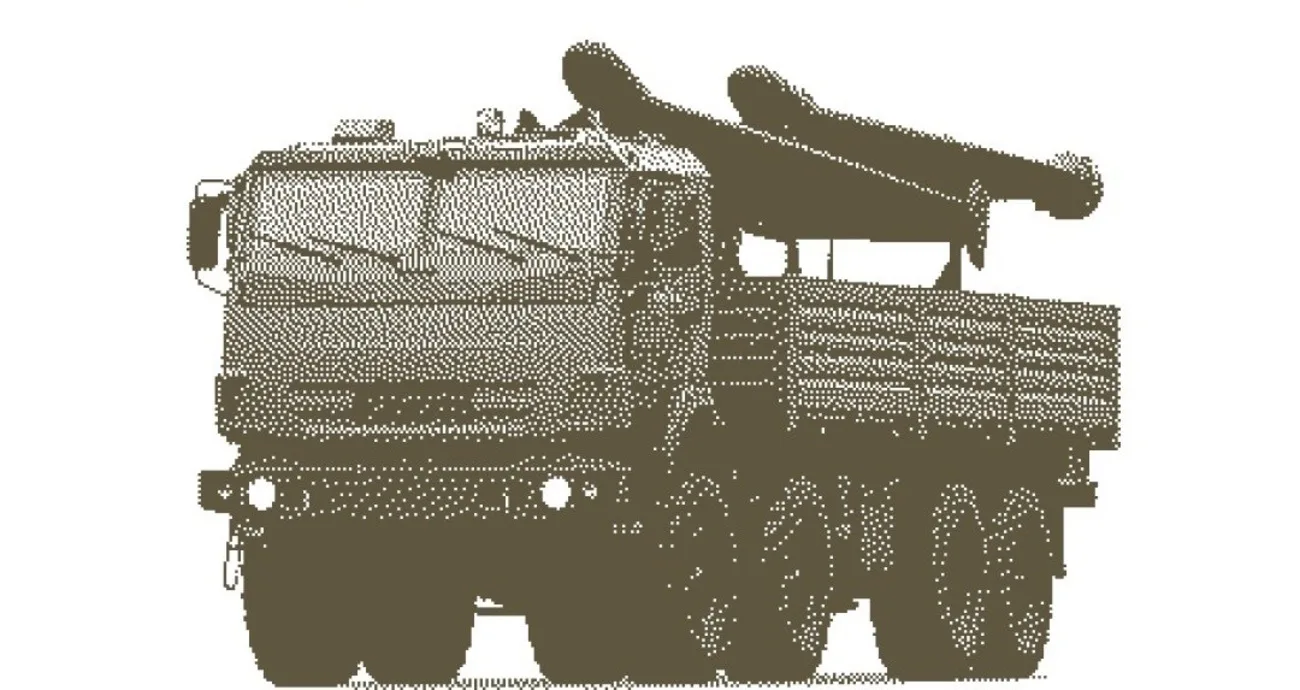
The Russians have a sufficiently powerful component of guided aerial bombs capable of reaching 50-60 km.
"It is premature to hope that we will be able to push enemy units back to such a distance. We should look for ways to destroy aircraft carrying KABs on a larger scale," said Seleznyov.
The resource factor
However, one should not conclude that Russia will be able to turn Zaporizhzhia into an uninhabited place, Seleznyov cautioned.
"The resource issue is becoming increasingly significant for Russia. The implementation of the midstrike concept by Ukrainian Defense Forces will increasingly deplete Russia's offensive potential," the former General Staff spokesman concluded.
- Zaporizhzhia suffers daily from Russian KABs, Shaheds, Molnias, FPV drones, and less frequently from missiles and MLRS systems.
- Against the backdrop of constant attacks and almost uninterrupted air alarms, the only Zaporizhzhia shopping mall Metro has stopped operating since August 1.
The key question is whether the Defense Forces will be able to increase the pace of strikes against aircraft carrying KABs faster than Russia can compensate for equipment losses and fuel for new waves of shelling.