What Bucharest Said
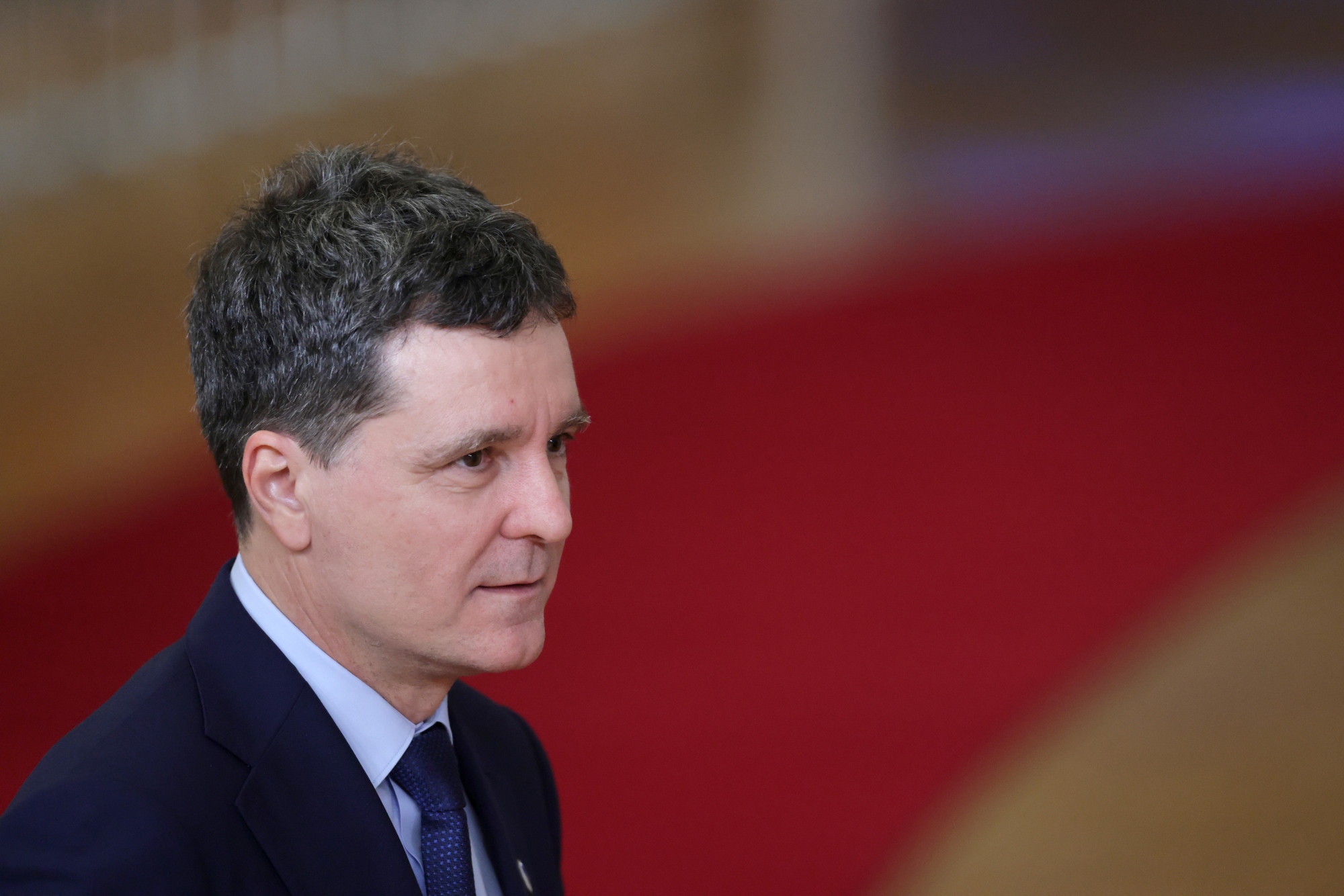
Romania's President Nicușor Dan said that his country will not host nuclear components on its territory in the medium term. The comment concerned France's initiative to expand nuclear deterrence and the possible involvement of European partners, Reuters reports.
"As a NATO state, Romania is under NATO's nuclear umbrella, which is provided by the United States"
— Nicușor Dan, President of Romania
Context: French initiative and European discussions
French President Emmanuel Macron announced his intention to expand France's nuclear deterrent and potentially allow European partners to host French aircraft for nuclear deterrence missions. Reports say several countries have expressed readiness to join the initiative — including the United Kingdom, Germany, Poland, the Netherlands, Belgium, Greece, Sweden and Denmark (data from Reuters/Bloomberg on preliminary government statements).
Why this matters for Ukraine
Romania's decision is directly related to Ukraine's security interests. First, it underscores two realities: the emergence of European initiatives strengthens discussion about mechanisms of deterrence that are autonomous from the US; second, most European countries still rely on the American nuclear "umbrella" as a security guarantee. For Ukraine, two points in this combination are important — the reliability of alliance guarantees and the ability of those guarantees to be turned into practical solutions that actually reduce the risks of aggression.
Experts note that placing nuclear components in Europe is not the only route to stronger deterrence. Political signals, improvements to air defence, logistical readiness and clear response mechanisms are also important. At the same time, some countries (for example, Poland or Estonia) previously advocated for hosting, so Romania's decision eases some regional tension but does not remove the question of how to ensure the creation of effective deterrence.
Where the risks and opportunities lie
The possibility of the French initiative gives Europe a tool for political maneuvering, but it also creates risks of unevenness: different approaches to nuclear deterrence could complicate allied coherence. According to Bloomberg, discussions about European deterrence mechanisms are underway, but without transparent procedures and guarantees this is more a political signal than an immediate increase in security.
It is also worth mentioning media reports: LIGA.net wrote about the resumption of US nuclear tests at the end of 2025 — this information should be treated as subject to verification and interpretation, since any steps in the nuclear sphere have serious consequences for international stability.
Conclusion
Romania has placed a clear full stop on hosting nuclear components on its territory — this reduces local tension, but does not solve the broader problem of trust and deterrence in Europe. For Ukraine the key question remains practical: will European initiatives be turned into effective mechanisms that increase security without escalation? The answer depends on how quickly allies agree on political and technical steps that can be verified and measured, not just proclaimed.





