What happened
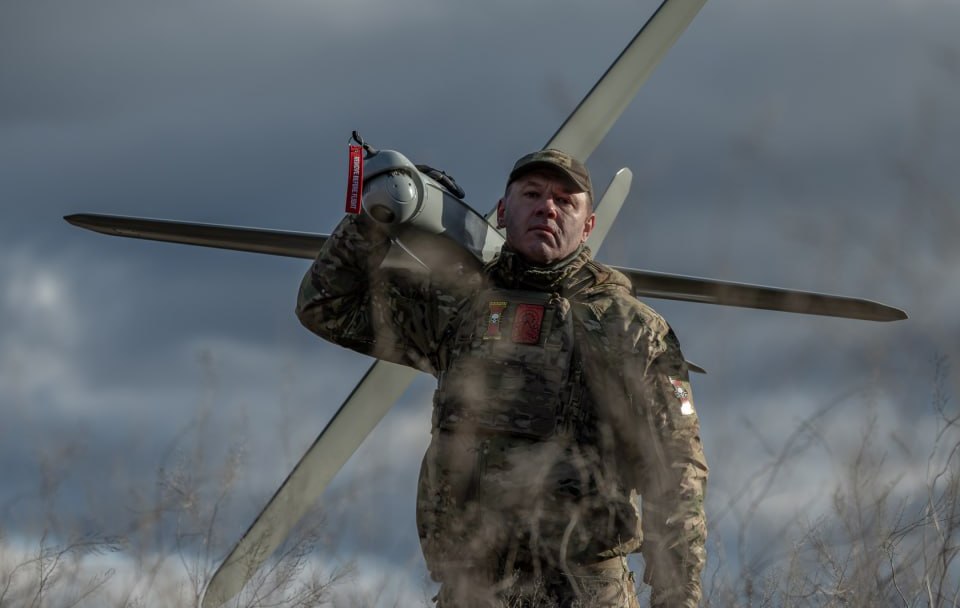
According to the commander of the Unmanned Systems Forces (USF), Robert Madyar Brovdi, between January 17 and 19 USF units attacked several sites in temporarily occupied territories. Among the struck targets were traction substations, drone depots and a launcher of an S-300 surface-to-air missile system.
“This work was carried out between January 17 and 19”
— Robert Madyar Brovdi, commander of the Unmanned Systems Forces
Specific targets
The strikes put several traction substations that supplied the railway on the Mariupol—Volnovakha—Donetsk routes out of service: the substations “Sartana”, “Karan” and “Azovska”. Reports also indicate a hit on an S-300 launcher and a North Korean 240-mm MLRS M-199, as well as the destruction of drone depots of the 144th Division of the 51st Army in Novokrasnyanka and Donetsk.
Why it matters
These strikes are aimed not only at equipment — they have a systemic effect. De-energizing traction substations complicates the movement of electric trains and the transport of cargo, and therefore undermines the logistical chains that supply ammunition and equipment. Hitting drone depots and the S-300 launcher reduces the enemy’s ability to conduct reconnaissance and to control the airspace in border areas.
Analysts note that such targets are an example of work on key infrastructure nodes: a strike on a network element produces an effect disproportionate to the attacker’s expenditure.
Who carried out the operation
The statement notes the coordination of actions by the 1st Separate USF Center together with the “Kairos” battalion of the 414th Brigade and the 412th Brigade “Nemesis” as part of the newly created Deep Strike Center of the USF Grouping.
“Azovska is a critical element of the region’s industrial power supply in the interests of the military‑industrial complex”
— Robert Madyar Brovdi, commander of the Unmanned Systems Forces
Consequences and risks
The short-term effect is a reduction in combat activity in areas where supply routes and air defense operations have been disrupted. The medium-term effect may be a reconfiguration of the enemy’s logistics, increased costs for guarding and repairing infrastructure, and attempts to camouflage or disperse critical nodes.
There is a risk of escalation: the enemy may respond with strikes on civilian infrastructure or increase force concentration in certain sectors of the front. At the same time, such operations demonstrate an approach focused on reducing the enemy’s potential without mass ground assaults.
What’s next
This is an example of systematic, high-tech work that often remains outside the headlines. Now the ball is in the enemy’s court: how quickly will it restore the damaged infrastructure elements and how will changes in logistics affect delivery rates. Ukraine’s partners should monitor changes in the operational picture — such strikes change not only the opponent’s tactics but also its strategy.





