In high diplomacy, quiet agreements matter more than loud statements
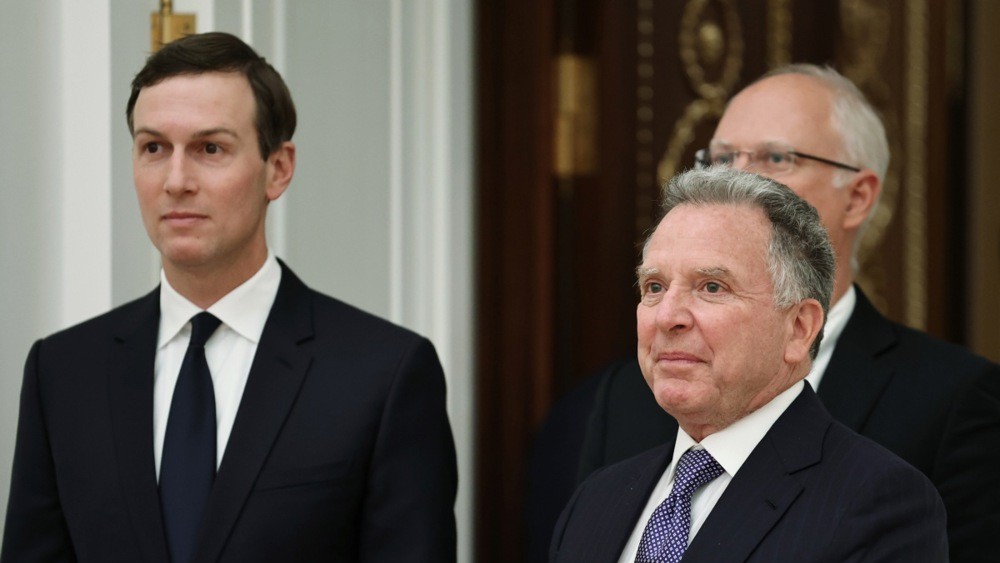
Reuters reports: for talks on security guarantees for Ukraine in Paris on January 6 the United States is sending the son‑in‑law of the former president, Jared Kushner, and Donald Trump's special envoy Steve Witkoff. The information was provided to the agency by unnamed White House officials.
What they will be negotiating
The meeting, initiated by French President Emmanuel Macron, aims to "finalize the specific contribution of each country" to a system of guarantees for Kyiv. President Volodymyr Zelensky and RNBO Secretary Rustem Umerov have confirmed Ukraine's participation at the leaders' level, but did not specify at what exact level the U.S. will be represented.
On the eve of the summit, on January 3, national security advisers from European countries met in Kyiv with representatives of the EU and NATO. A separate meeting of the chiefs of general staffs of European countries is announced for the day before the Paris summit — additional coordinated preparation on the military side. The Chief of the General Staff of the Armed Forces of Ukraine, Andriy Hnatov, has also reported agreement on a military document between Ukraine and the United States.
"We discussed security guarantees, the points of the peace plan, economic recovery and military‑political issues. Most positions — 90% of the peace plan — are already agreed, work continues on the details"
— Rustem Umerov, Secretary of the National Security and Defense Council of Ukraine
Why the composition of the American delegation matters
The presence of Kushner and Witkoff is not just a list of names. Such a delegation simultaneously signals both U.S. interest in the process and the use of political, not only formal administrative, channels of communication. For Ukraine this means two things: first, there is a chance for rapid political agreements; second, the political format may complicate turning those agreements into legally binding and military‑operational mechanisms without clear international commitments.
What Ukraine should prioritize
Kyiv needs to demand from partners not just declarations but specifics: financial commitments, logistical solutions, procedures for the rapid deployment of forces in the event of a ceasefire, and legal mechanisms to monitor compliance with the guarantees. As President Zelensky has emphasized, the effectiveness of the coalition depends on the readiness of key countries for an actual military presence after a ceasefire.
In short: the ball is now in the partners' court — the diplomatic signals in Paris must be turned into signed and implemented agreements. The question the whole country will be waiting to see: will partners have enough political will for that to happen?





