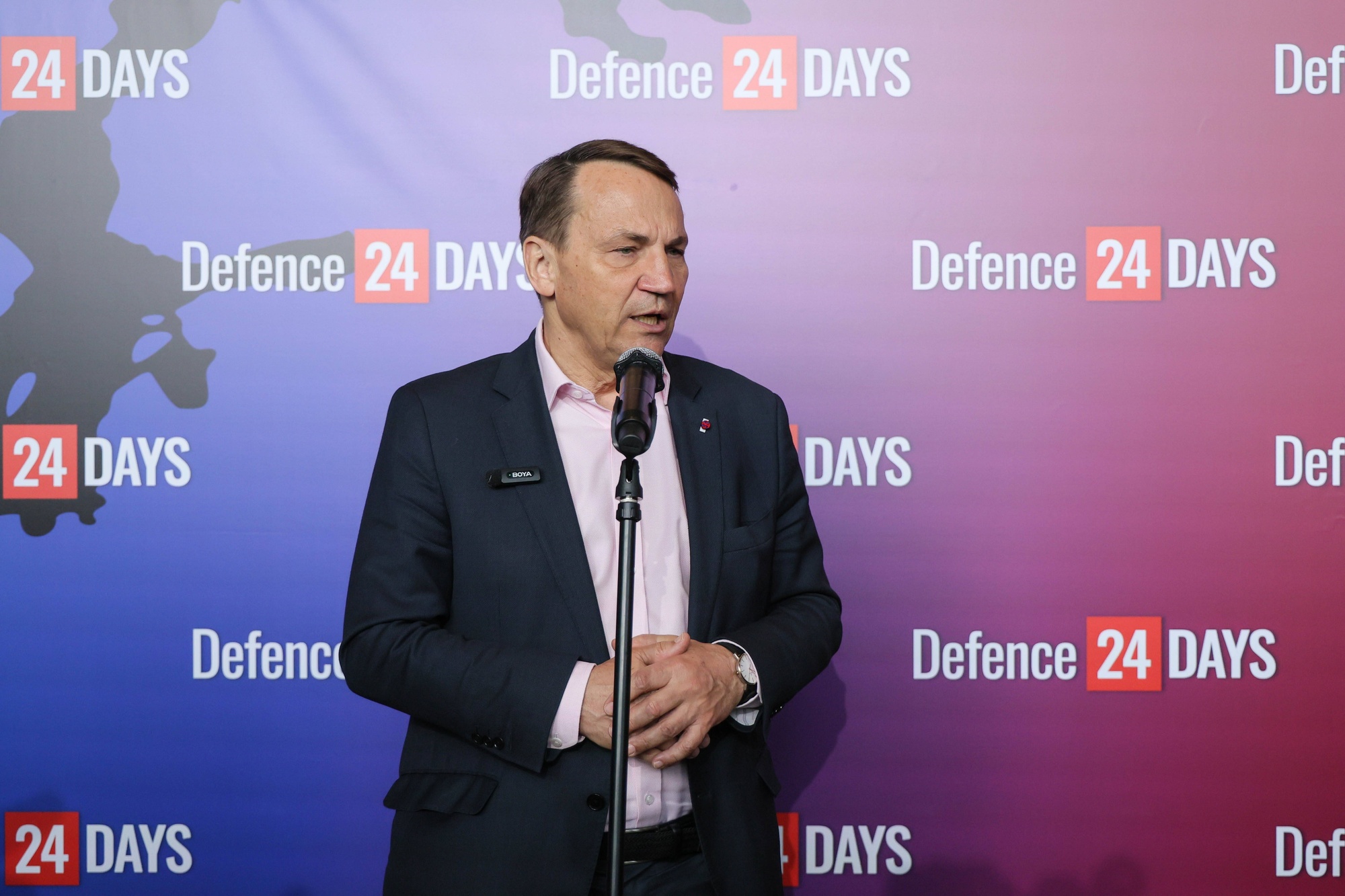
Radosław Sikorski is not accustomed to speaking for the gallery. When Poland's Foreign Minister makes a public warning directed at Russia — it is typically not rhetoric, but a signal.
"We have reliable information that Russia is planning something again," Sikorski stated. He did not provide specifics, but the very fact of publicly disclosing intelligence is an atypical diplomatic move. Usually, such matters remain in closed briefings.
Why this is being said out loud
A public warning serves several functions simultaneously. First, it removes responsibility from Poland for any "surprise" — if something happens, Warsaw has already warned. Second, it puts pressure on allies: forcing them to record the signal before an event rather than after. Third — it is deterrence: Moscow knows it is being read.
Over the past two years, Poland has systematically increased its intelligence capabilities and coordination with NATO partners, particularly in the context of hybrid operations on its territory — sabotage, arson, cyberattacks. Warsaw has already attributed several incidents to Russian and Belarusian special services.
Context: not the first warning
This is not the first case in which the Polish side has issued public warnings based on intelligence data. In 2024, Polish special services uncovered several networks linked to Russia's destabilization operations in Central Europe. Some of them operated under the guise of logistics companies.
Sikorski did not clarify whether this concerns a military threat, a hybrid operation, or a provocation at the border. But the geographical context is obvious: Poland borders Kaliningrad and Belarus — two points where Russian military presence remains at maximum.
What this means for the region
For Ukraine, the signal reads as follows: NATO's western flank is registering increased Russian activity — and doing so publicly, without waiting for an incident. This changes the logic of response: allies are transitioning from a reactive position to preventive communication.
The question that remains open is: if Poland has specific intelligence — is a public warning sufficient, or are consultations already taking place behind the scenes that we will only see after something actually happens?







