In high diplomacy, quiet arrangements matter more than loud statements
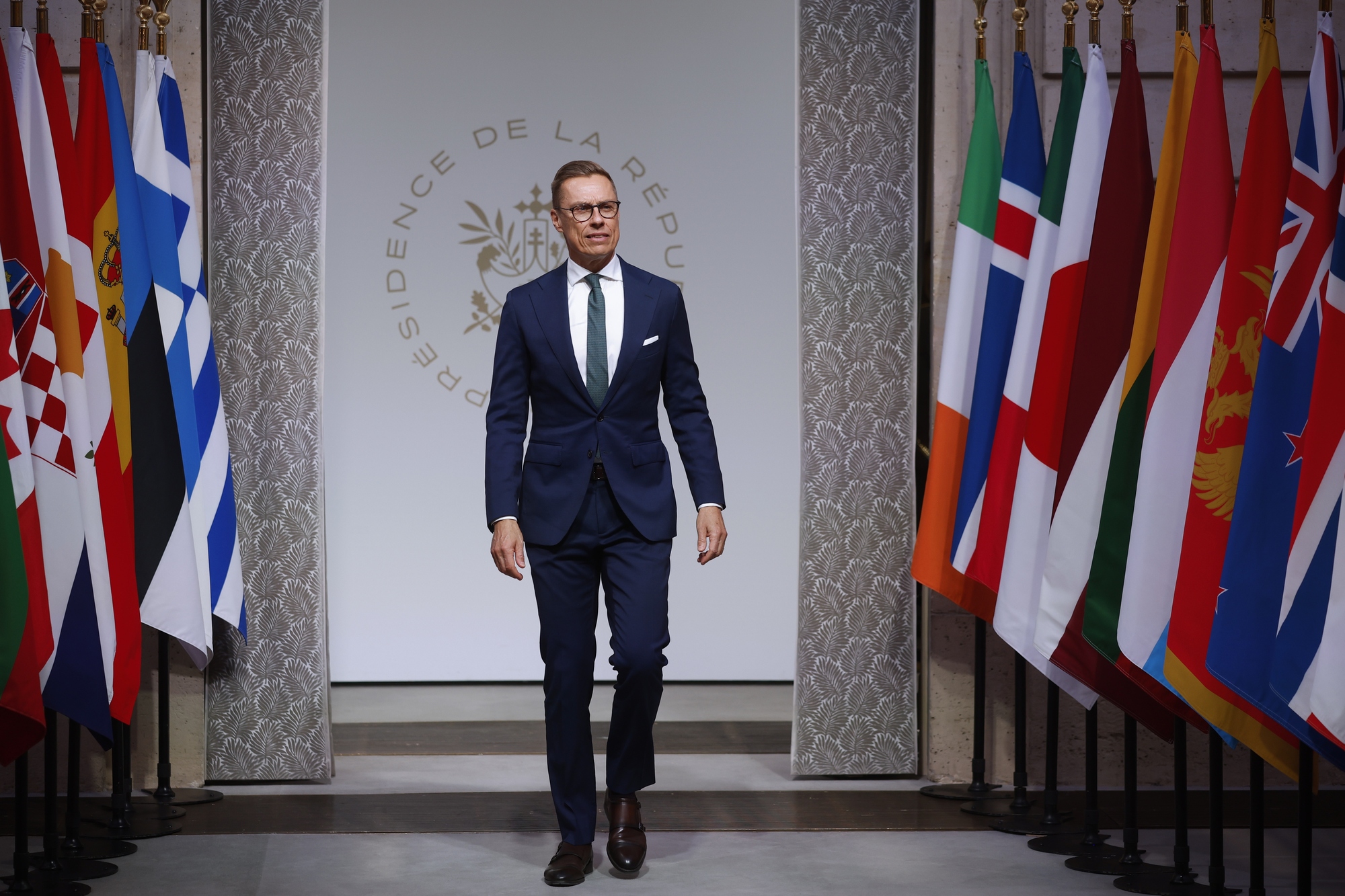
On the sidelines of the World Economic Forum in Davos, the President of Finland Alexander Stubb listed three scenarios for developments around Greenland — from de-escalation within NATO to the likelihood of a military incident. He gave his assessment in an interview with The Washington Post, and it deserves attention not for sensationalism but for its consequences for allied coordination and strategic stability in the Arctic.
What exactly did Stubb say
"There is a good scenario. There is a bad scenario. And there is a terrible scenario"
— Alexander Stubb, President of Finland
The first scenario — de-escalation: allies find a way out and strengthen security in the Arctic through coordination within NATO. The second — a split between Greenland and Denmark, the consequences of which are unpredictable. And the third, which Stubb called "terrible" — the possibility of military action or seizure of the island.
Why this matters for Europe and for Ukraine
This discussion is not about geographic exotica but about the structure of international security. The Arctic is growing as a strategic zone: bases, supply routes, resources and geopolitical markers. If the conflict around Greenland unfolds or even heightens anxiety within the Alliance, it could divert resources and diplomatic attention from other crises — in particular from countering Russian aggression in Ukraine.
"No comment"
— Donald Trump, President of the United States (in response to a question about the possibility of using force regarding Greenland)
Statements by Donald Trump in January 2026 — including suggestions about a need to choose between owning the island and the existence of NATO (9 January) and advice to Europeans to focus on Russia's war against Ukraine (19 January) — amplify the risk of uncertainty. This is not necessarily a direct threat, but it signals that strategic stability may come under pressure from political rhetoric.
What might happen next and which steps are logical
Analysts consulted in connection with this incident point to several realistic consequences: strengthening diplomatic channels within NATO, a demonstration of European unity regarding the territorial integrity of Denmark and Greenland, and increased attention to Arctic presence and logistics. For Ukraine the key question remains whether this issue will divert partners' attention from sustained support in confronting Russia.
Rhetoric can provoke reaction, and reaction — escalation. Now it is up to the partners: will statements turn into concrete measures — increased presence in the Arctic, legal guarantees, defense coordination — or remain words. How they respond will determine how quickly a potential crisis can be defused without harm to broader European interests and to Ukraine's security.





