What happened
On 9 February skeleton racer Vladyslav Heraskevych reported that an IOC official had forbidden him from using a helmet depicting athletes killed as a result of Russian aggression. The National Olympic Committee of Ukraine appealed to the IOC to allow the helmet. On 10 February the IOC allowed the use of a black armband, but not the helmet. On 12 February the body decided to disqualify Heraskevych, justifying this by saying that "the helmet did not comply with the rules." These actions prompted a sharp reaction from the Ukrainian authorities.
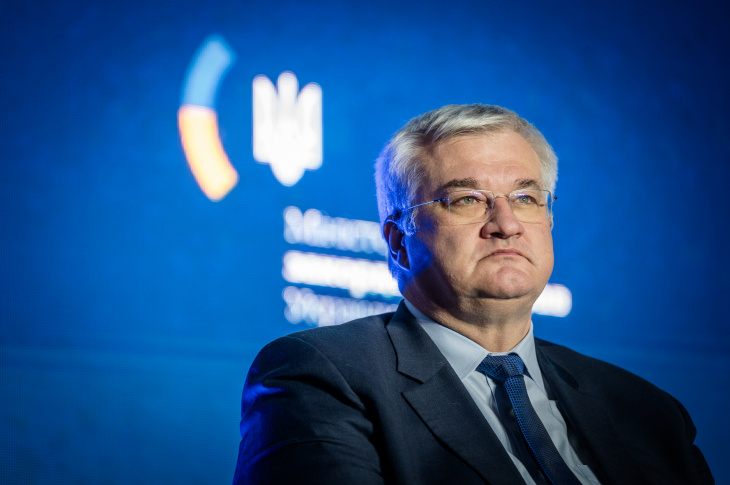
Sybiha’s position
"The IOC disqualified not a Ukrainian athlete, but its own reputation. Future generations will remember this as a moment of shame"
— Andriy Sybiha, Minister of Foreign Affairs
According to the minister, Heraskevych only sought to honor the memory of comrades killed in the war, and there is no breach of ethics or Olympic ideals in that. Sybiha also emphasized that it is the Russians, not the commemoration of their victims, who should be suspended: "none of them is neutral."
Context and why this matters
This issue intersects rules and politics. Sybiha stresses that the IOC's principle of "neutrality" can in practice be used to excuse the impunity of an aggressor. He recalled Russia's offensive actions during the Olympic truce, the state doping program and, in his words, the losses to Ukrainian sport: "it killed 650 Ukrainian athletes and coaches and damaged 800 sports facilities" — figures he cited to illustrate the scale of the damage. Such assessments should be taken as an official's statements, but they shape the discourse on trust in international institutions.
Ukraine's reaction and international signals
"Thanks to Vladyslav — he reminds the world of the price of our struggle"
— Volodymyr Zelenskyy, President of Ukraine
The National Olympic Committee of Ukraine officially appealed to the IOC to allow the helmet. The international community is watching closely: for many this is a test of whether sporting institutions can balance apoliticism with demands for principle in situations involving the deaths of civilians and athletes.
What this could mean next
In the short term — reputational losses for the IOC and increased pressure from Ukraine and its allies. In the medium term — questions about whether rules governing expressions of memory and positions during competitions will be reconsidered. Experts in international sports law note that the discussion must now move from emotions to formal procedures: if the Olympic movement seeks to preserve trust, it will need to more clearly define the limits of "neutrality" and the responsibilities for breaches of principles.
Conclusion: this is not just a story about a single helmet. It is a test for the system — can it protect an athlete while remaining consistent in its stance on aggression. The next move is up to the IOC and the international community: will declarations be translated into concrete changes to rules and practices?





