In brief
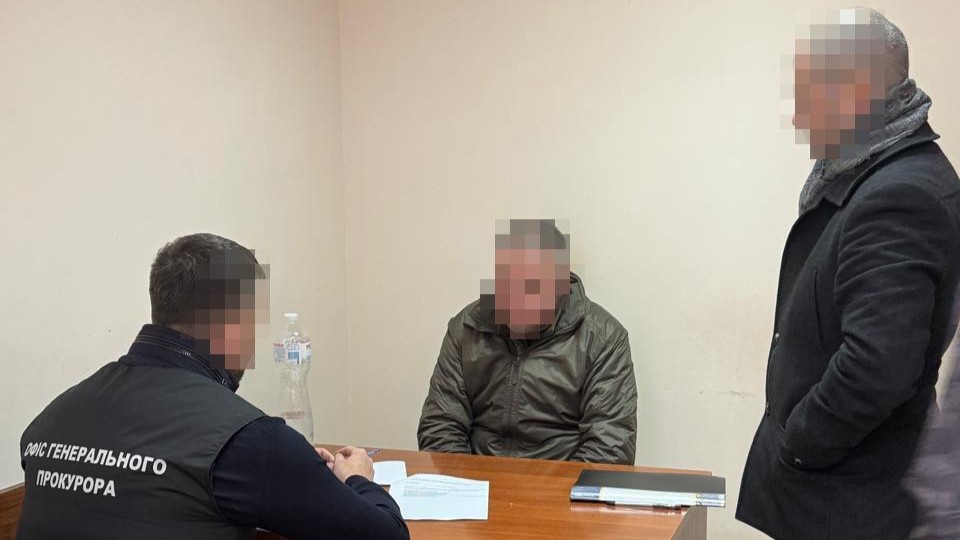
In the case of an alleged scheme to pressure businesses, the deputy head of the SBU department in Kyiv and the region, his colleague from Rivne region, and a civilian whom investigators call an intermediary have come under suspicion. Prosecutor General Ruslan Kravchenko spoke about the arrests and the details.
What is known — timeline and amounts
According to investigators, the suspects demanded from entrepreneurs a so‑called "tariff for peaceful operation" in the amount of $600,000. Some of the transactions have been documented:
— On March 6 in Kyiv the first tranche of $50,000 was handed over as confirmation of intent;
— On March 16 in a restaurant in Kyiv region — another $250,000;
— Separately, the SBU deputy in Rivne region allegedly received more than $22,000 for the ability to extract amber unhindered;
— In total, investigators documented receipt of more than $322,000. The suspects have been detained and the money seized. The maximum penalty is up to 12 years in prison, confiscation of property and a ban on holding certain positions for up to three years.
"SBU officials organized a mechanism to pressure businesses. They received illicit benefits from enterprises in exchange for resolving their 'problematic issues'."
— Ruslan Kravchenko, Prosecutor General
Mechanics — how it worked
Investigators describe a set of elements typical for corruption schemes: use of official powers, involvement of a civilian intermediary to "wrap" the transfer of funds, and phased receipt of tranches accompanied by subsequent promises to "reclassify" criminal cases or not interfere with the business. In this case, law enforcement authorities claim that the criminal case itself became a source of illicit enrichment.
Context: not an isolated incident
This is already the second high‑profile case involving senior security officers in a month. At the end of February the SBU and the Prosecutor General's Office reported exposing officials during an attempt to transfer $320,000 — that case concerned embezzlement related to aviation procurement. Anti‑corruption lawyers and experts who speak with the media point to the risk of systemic problems in some units if cases are not examined closely (details were previously covered by LIGA.net).
Why it matters — security, trust, business
Corruption within the security services carries a double risk: it undermines not only the economic interests of businesses but also trust in institutions responsible for national security. For an entrepreneur the scheme means additional costs and uncertainty; for the state — loss of control over critical areas (from resources to logistics). Therefore, the response of law enforcement now is a test of institutions' ability to cleanse themselves and implement preventive mechanisms.
What next
The investigation continues — law enforcement says it is identifying all those involved. The key question for society and politics is whether these arrests will turn into systemic changes in oversight procedures for the security services and strengthen internal security, or whether they will again remain isolated episodes that look good on paper?
Summary: the incident shows that problems exist, but that authorities can respond. The next stage is public results of the investigation and concrete steps to reduce the risk of similar schemes recurring.





