What Happened
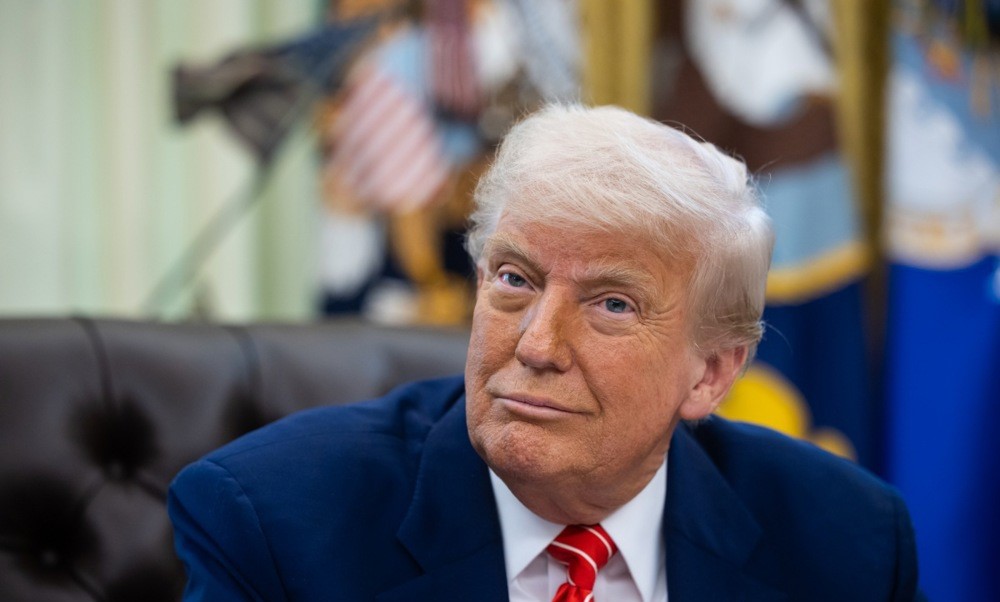
In an interview with The Atlantic, U.S. President Donald Trump said that, in his view, "the new leadership of Iran wants to talk," and that he is ready to begin negotiations. The statement came the day after the start of a U.S. and Israeli operation against the Islamic Republic.
"They [the new leadership of Iran] want to talk, and I agreed to that, so I will talk to them. They should have done it earlier. They should have offered what was very practical and easy to do earlier. They waited too long."
— Donald Trump, President of the United States (The Atlantic interview, conversation at Mar-a-Lago)
Trump also said he could not confirm whether a conversation would take place on March 1 or 2, and noted that some of the Iranian officials who had negotiated previously are already "no longer alive," hinting at the consequences of the strikes.
Context: Strikes and Diplomacy
The statement came immediately after the military operation — a combination of military pressure and a simultaneous willingness to engage in dialogue. This combination is a classic diplomatic device: raise the cost of confrontation while keeping the door to negotiations open.
Two things are important in this situation: first, whether the Tehran leadership is prepared to negotiate with real authority, not just words; and second, whether the parties can define minimum security guarantees to avoid further escalation.
What This Means for Ukraine
For Ukraine the main risks and opportunities are pragmatic. First, a deterioration in the Middle East may divert the attention and resources of Western partners. Second, if diplomacy works and tensions ease, this could free up some diplomatic and military-technical space for other crisis regions.
Therefore, it is important for Ukraine to watch not emotional headlines but concrete signals: whether a format for negotiations will emerge with clear participants and control mechanisms, and how leading capitals — Washington, Jerusalem, Brussels — will respond.
Expert Considerations
Experts note that the combination of strikes and an offer of dialogue can be both a tool of de-escalation and a way to shift the initiative into the political sphere. Decisions that will seem "easy" in public statements will require complex guarantees and mutual concessions behind closed doors.
Conclusion
Trump's statement is an important signal, but by itself it guarantees neither peace nor a negotiation process. The indicator now will be the quality of signals from the U.S. State Department and official Tehran: whether the rhetorical willingness to "talk" will turn into a clear format and timeline that reduce the risk of new escalation. For Ukraine this means closely monitoring partners' actions and being prepared to respond to shifts in the discourse on diplomacy and security.





