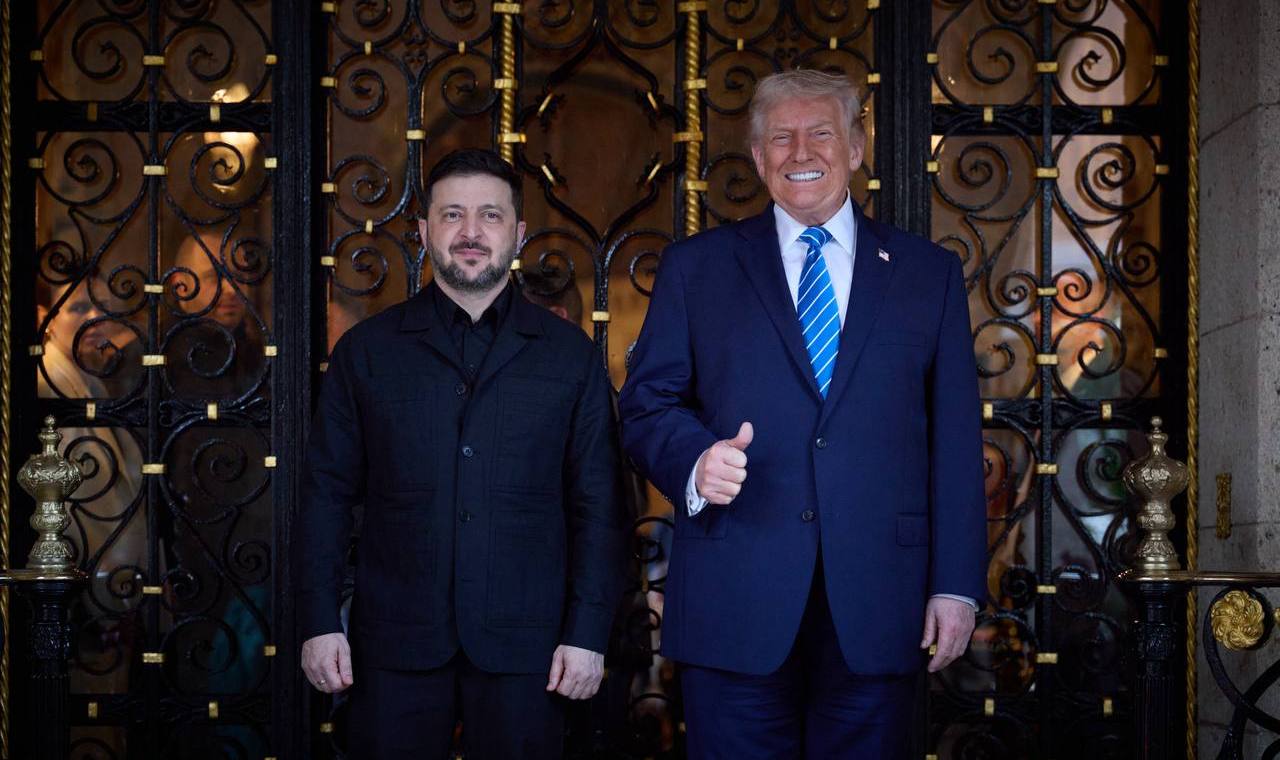
In high diplomacy, quiet agreements matter more than loud statements
President Volodymyr Zelensky, after talks with Donald Trump, said the American leader confirmed "strong security guarantees" developed by technical and negotiating groups from both sides. According to Zelensky, the next stage is a vote in the U.S. Congress, which should enshrine these agreements at the legislative level.
"All the details we developed up to this point — our technical teams, our negotiators — regarding the specifics of the security guarantees, he confirmed them and confirmed that they will be voted on in the U.S. Congress. This is a very strong agreement."
— Volodymyr Zelensky, President of Ukraine
What's on the negotiation table
Zelensky also reported discussions of an economic package for reconstruction: the participation of American businesses, special investment conditions, and the launch of talks on a free trade agreement. In addition, the president proposed guarantees with a longer duration — 30–50 years instead of 15; Trump replied that he would take this under consideration.
The role of Congress: legal weight and political scrutiny
Confirmation at the White House is an important political signal, but without lawmakers' approval the guarantees remain declaratory. A vote in Congress means the issue will undergo legal and political scrutiny: the details of mechanisms, financing, and international commitments will be brought into the public domain. Analysts note that this stage will determine the real effectiveness of the guarantees.
Unresolved issues
According to the president, two of the twenty points of the peace plan remain open: the operation of the ZAES (Zaporizhzhia NPP) and the question of control over territories. These issues could become stumbling blocks during the finalization of wording in Congress and in international guarantees.
Why this matters for Ukraine
Security guarantees codified by a strong legislative ally reinforce both the defensive and economic aspects of the country's recovery. Investment and free trade with the United States are long-term markers of trust that will accelerate the rebuilding of infrastructure and markets. However, without clear answers on energy security and territorial control, the effectiveness of such guarantees may be diminished.
What happens next
The key now is to turn political agreements into legislative decisions in Washington. The timing and form of a vote in Congress will determine how quickly and in what form these guarantees will be integrated into state cooperation mechanisms. The remaining open questions will be the subject of negotiations and compromises — and the effectiveness of any guarantees will depend on those outcomes.
Questions to watch: will the U.S. Congress and administration agree on the duration and mechanisms of the guarantees, and will this be accompanied by concrete economic instruments for Ukraine's reconstruction?





