What happened
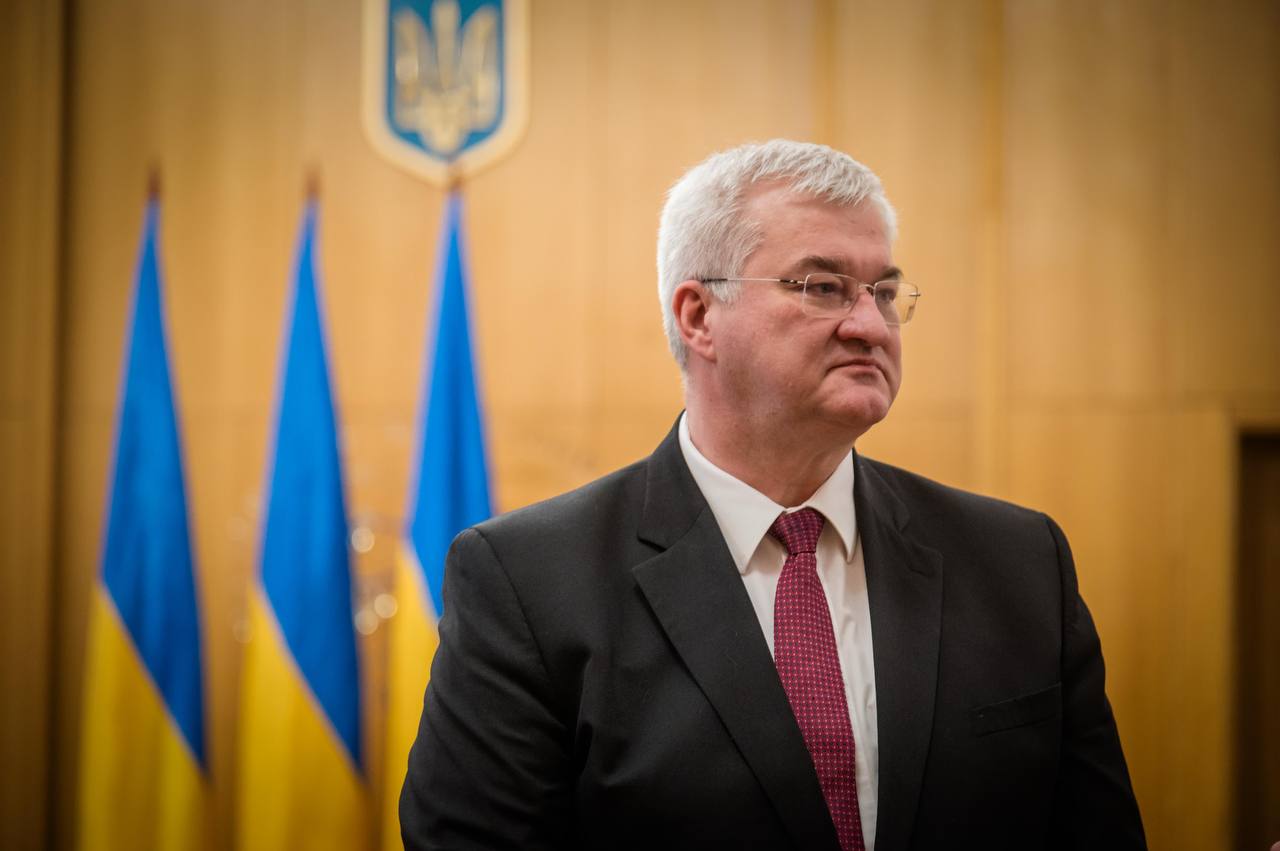
Ukrainian consuls are still not allowed access to seven Ukrainian citizens detained in Budapest — Foreign Minister Andriy Sybiha reported. The incident has taken on a political dimension because of the scale of the detentions and related statements from Hungarian and Ukrainian agencies.
"Ukrainian consuls have still not been allowed access to the seven Ukrainian citizens taken hostage in Budapest"
— Andriy Sybiha, Minister of Foreign Affairs of Ukraine
Details of the detention
According to the Hungarian National Tax and Customs Administration (NAV) and reporting by Telex, on the night of March 6 two armored cash-in-transit vehicles belonging to Oschadbank with seven employees on board were detained in Budapest. NAV links the detention to an investigation into money laundering and reports the involvement of the Anti-Terrorism Center.
The bank asserts that the cargo was processed in accordance with international rules and current European customs procedures. According to the bank's official data, the vehicles were carrying: $40 million, €35 million and about 9 kg of gold.
Kiev's reaction and diplomatic context
Ukraine is demanding immediate access for its consuls and the release of those detained, and is preparing further steps, including at the European Union level. It was noted separately that diplomatic movements in the region preceded the incident: on March 4 Hungary's foreign minister Viktor Sijarto visited Moscow; during the visit the Russian president released two people with dual Ukrainian and Hungarian citizenship. Ukraine says it had not received information from either side about those releases, and a Hungarian diplomat was summoned to the Foreign Ministry.
Why this matters
First, blocking consular access undermines a basic standard of protection for citizens abroad. Second, the amounts involved and the method of transporting cash raise questions about the transparency of cross-border financial operations and the security of cash-in-transit routes. Third, the incident could complicate Ukraine's relations with a partner in the heart of the EU and become the subject of political dialogue at the bloc level.
What’s next: likely scenarios
The most likely steps are increased consular pressure, diplomatic notes and initiatives within the EU to obtain guarantees of access and a transparent handling of the case. Analysts point out that prolonged "investigative procedures" can be used as a delay, or they may be part of a genuine anti-corruption operation — in any case, the matter requires careful fact-checking and rapid coordination between agencies.
Summary: the Budapest incident combines legal, security and diplomatic dimensions. The ball is now in the partners' court: whether they will ensure consular access and a transparent investigation is a key question for the safety of Ukrainian citizens and trust in cross-border procedures.





