What happened
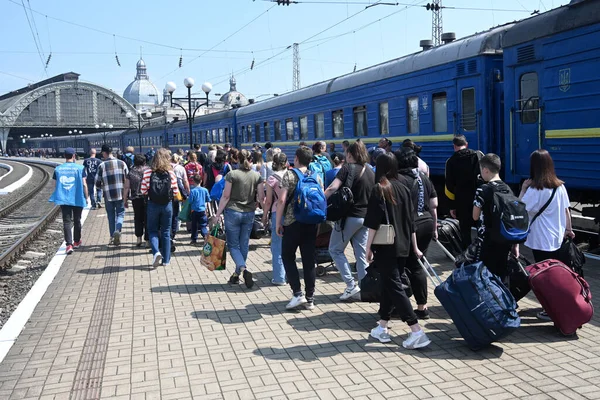
According to the Central Register of Foreign Nationals and the Federal Office for Migration and Refugees, as of 9 March 2026 there were 1,340,362 Ukrainian citizens living in Germany who arrived after 24 February 2022. Among them, in the 18–63 age group, 349,520 men and 500,393 women were recorded.
A year earlier in the same age group there were 297,660 men — so their number increased by roughly 52,000, while the number of women in this group grew by almost 24,000 over the same period, reports Welt.
"Thus, over 12 months their number increased by approximately 52,000. The number of women aged 18 to 63 over the same period rose by almost 24,000."
— Welt (based on data from the Central Register of Foreign Nationals and the Federal Office for Migration and Refugees)
Why it happened
Analysts and agencies point to several logical reasons explaining the changes in the structure of displaced people:
- Ongoing family adaptation: over time roles are redistributed and migration cycles occur — some men arrive later for family reunification or due to changes in residence permits.
- Demand in the labour market in Germany and employment opportunities encourage the arrival of working-age men.
- Administrative factors: corrections in registration and data coverage (entry into the registration system) can change the picture over time.
"A lack of childcare options, differences in professional profiles and barriers to employment explain why men find work faster than women."
— Institute for Employment Research (IAB)
Consequences for the labour market and policy
According to the Federal Employment Agency, in January 2026 some 321,000 Ukrainians were employed and paying contributions to the social security system. This partly indicates successful integration of workers into certain sectors of the economy, but it also highlights problems:
- Differences in employment rates between men and women place pressure on social services and require policies supporting childcare and retraining.
- For partner states this is a signal: integration programmes and investments in care infrastructure are critically important for job stability and the economic participation of displaced people.
Context of regional policy
Changes in Germany are occurring against the backdrop of tightened temporary protection rules in the Czech Republic and legislative changes in Poland that affect social benefits and access to services. This forces Ukrainians and their families to adjust migration and integration strategies.
Conclusion
The increase in the number of men among Ukrainian displaced people in Germany is not a random figure in a table. It is an indicator that touches on the labour market, social infrastructure and long-term integration. Partners must turn this statistical signal into practical steps — from creating accessible care services to retraining programmes — so that Ukrainians' participation in the economy is sustainable and mutually beneficial.
The question that remains: will European social protection systems adapt to these changes as quickly as the demography of displaced people is shifting?