What happened
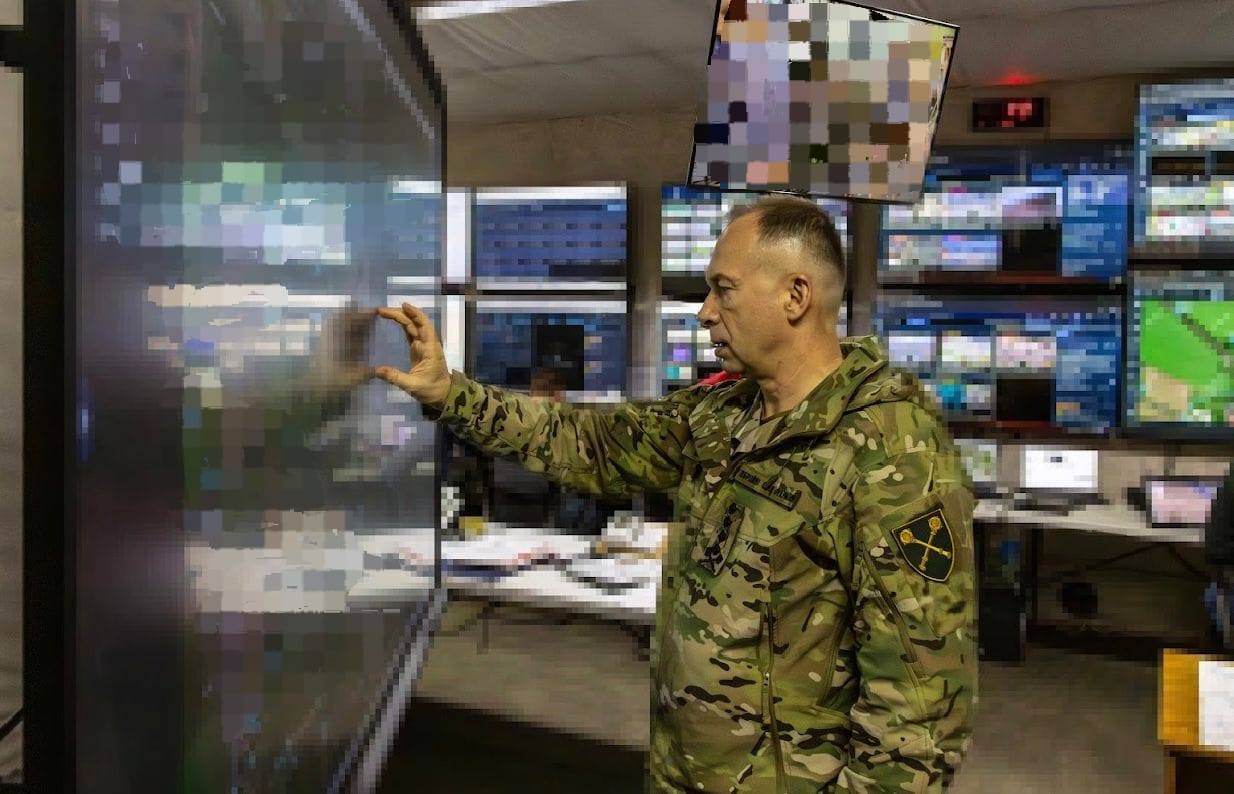
Under pressure from Russian forces, Ukrainian units left the city of Siversk in Donetsk Oblast. The decision was made not for symbolic reasons but because of specific tactical and technical circumstances — to preserve the lives and combat capability of the units. This was reported by the commander-in-chief of the Ukrainian Armed Forces (AFU) in an interview with Channel 24.
Why the withdrawal was a rational move
According to the command, the key factor was the loss of operational air cover. The concentration of drone control over fiber-optic channels with a range of more than 20 km forced crews to withdraw to depth, leaving the infantry without cover. Under these conditions, keeping forces in the city would have meant unjustifiably high losses.
"Unfortunately, the concentration of drone units under fiber-optic control channels, especially with a range of over 20 km, led to our units, teams, and drone crews gradually withdrawing to depth, thereby leaving the infantry without cover"
— Oleksandr Syrskyi, commander-in-chief of the Ukrainian Armed Forces, interview with Channel 24
Tactical context: terrain and history
The Siversk area and neighboring settlements (Serebriansky Forest, Bilohorivka) traditionally feature complex terrain — dominant heights and chalk ridges that give an advantage to those who control the high ground. As the commander reminds, these fortifications and defenses have been used repeatedly in the past, and they remain a factor shaping combat tactics today.
Facts and timeline
On December 11, 2025 the AFU confirmed that Russian infantry groups had entered Siversk, but there was no official recognition of full enemy control at that time. On December 23 the General Staff officially confirmed the withdrawal of our units — the decision was justified by the need to preserve personnel and combat capability.
What it means and next steps
Withdrawal to the dominant heights is a standard maneuver that provides time to regroup, reinforce air defenses and logistics, and plan countermeasures. The command has already stated that appropriate actions are planned in this direction. Military analysts note that keeping units in a combat-capable state now is more important than symbolically holding a city at the cost of heavy losses.
Brief conclusion
This is not about "losing face" but about priorities — the lives and combat capability of the forces. The coming weeks will show how quickly the planned actions will allow for restoring control or forcing the enemy to change tactics. For now the key question is whether defensive logistics and air cover support can adapt in time to the new realities in this sector.





