Quiet agreements matter more than loud statements
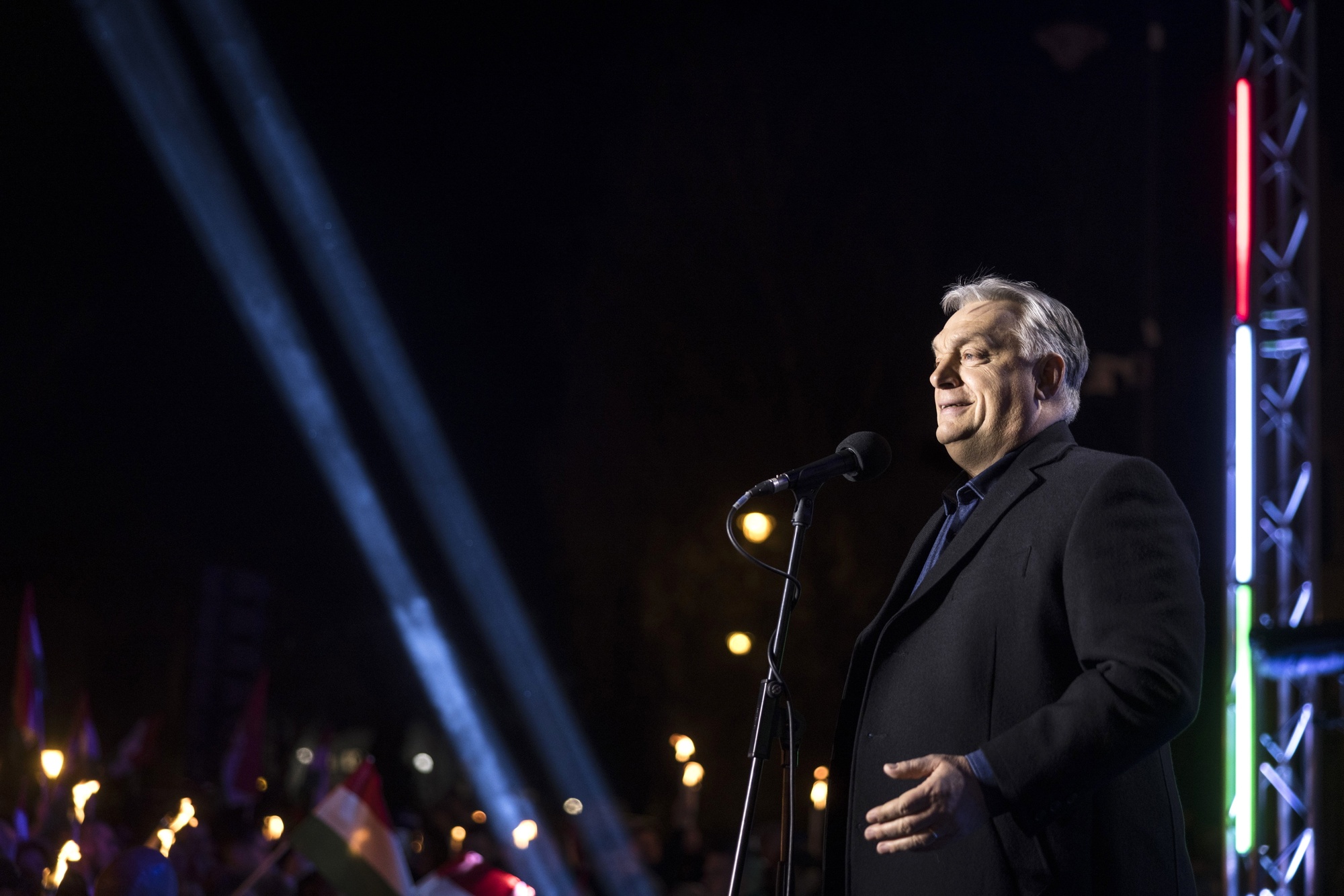
According to Reuters, if Viktor Orbán retains power after the April 12 election, European Union institutions will be forced to change the way they operate. This is not just diplomatic rhetoric: it concerns the decision‑making mechanisms through which loans and sanctions — important for Ukraine's security — pass.
"That was the last straw that broke the camel's back. From our side, the hope of persuading Orbán has disappeared."
— a European diplomat (quote Reuters)
Why this is critical for Ukraine
Hungary has already blocked key decisions: in particular, the EU loan to Ukraine of €90 billion, much of which was intended for defense needs, remains under veto. In Brussels they hope that after a change of power Budapest will stop obstructing, but not everyone believes the Hungarian leadership's position will change quickly.
As Politico reports, Europeans are already preparing a "serious conversation" and possible steps in the event of Orbán's re‑election. LIGA.net explains that a change of government in Hungary could open the way to restoring EU unity on support for Ukraine.
"It seems that 'more of the same' is no longer an option for most EU countries."
— Krišjānis Kariņš, former prime minister of Latvia
What options the EU has
Analysts and diplomats describe three basic scenarios: 1) Orbán loses — and the blockades disappear or weaken; 2) Orbán wins — the EU tries to sideline Hungary in key processes; 3) gradual adaptation of procedures (including alternative financing channels) to reduce the influence of a single capital on critical decisions.
In any case the key question is the speed and reliability of funding. As emphasized by the Office of the President and by Volodymyr Zelenskyy himself, even if one EU member blocks, the "support coalition" must seek workarounds so as not to allow disruption of deliveries and defense projects.
"If Orbán stays, we'll have to change the way we work."
— a senior EU official (quote Reuters)
What Ukraine should do
This is not the time for illusions: regardless of the outcome of the Hungarian election, Ukraine needs to strengthen diversification of funding sources (bilateral agreements with partners, direct contracts, international financial institutions) and accelerate internal spending logistics so that every euro reaches the front quickly and transparently.
Framing for the reader: a delay of a single payment is not a political gesture in Brussels but a matter of body armor, ammunition and time to prepare a unit. That is why EU policy is a direct element of every Ukrainian's security.
Conclusion
The result of the Hungarian election will determine whether the traditional consensus in the EU returns, or whether institutions will seek new procedures to neutralize blocking. For Ukraine this means two clear tasks: speed up diversification of funding and convert political support from partners into signed contracts. Whether words can be turned into real money and weaponry is the question that will determine the pace of our defense.





