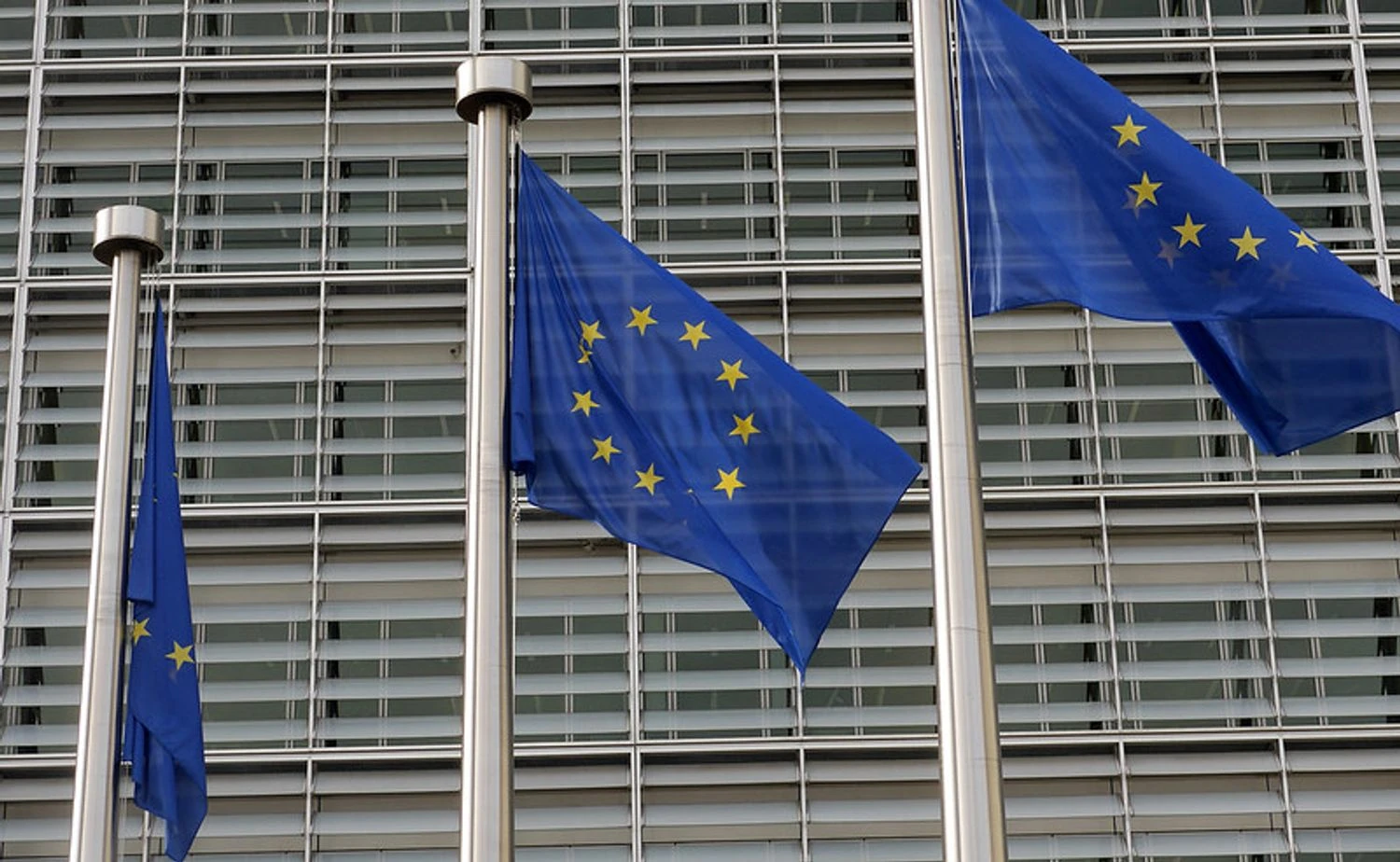
The European Commission officially presented the 21st package of sanctions against Russia. The restrictions cover 30 vessels of the so-called shadow fleet, 31 banks, the energy sector, and—for the first time in such a format—visa conditions for Russian military personnel.
What's inside the package
The shadow fleet consists of several hundred tankers and cargo vessels that transport Russian oil while circumventing the G7 price cap. According to analysts at Kyiv School of Economics, through this scheme Moscow receives billions of euros monthly, which directly finance the war. The inclusion of 30 new vessels on the blacklist is a step in the right direction, but the total number of ships operating outside the sanctions regime remains significantly larger.
The banking block covers 31 financial institutions. The restrictions make correspondent relations with European banks impossible and freeze assets. The question remains—how quickly have these institutions already managed to reorganize settlement routes through third countries: the UAE, Turkey, China.
Visa restrictions for military personnel represent a separate signal element. In practice, it means that officers and contractors of the Russian army lose any legal access to the Schengen zone. Symbolically—yes. Operational impact on the battlefield—minimal.
The logic of accumulation and its limits
Twenty-one packages in three years—this is a pace the EU has never demonstrated before. However, each successive package encounters the same structural limitation: sanctions are introduced centrally, but enforced by national customs authorities, financial regulators, and prosecutors of 27 states with different political motivations and different levels of resources.
According to data from the Brussels-based Transparency International EU, the gap between the list of sanctioned persons and actually frozen assets remains substantial. The enforcement mechanism is the weakest link in the entire structure.
Context: why now
The package emerged against the backdrop of negotiations about using revenues from frozen Russian assets for Ukraine's benefit and discussions about extending the general sanctions regime, which requires unanimous voting every six months. Hungary has repeatedly used this rule as a pressure lever. The 21st package is also a demonstration that consensus still holds.
What's next
The real impact of this package will become clear not from the moment of signing, but in 3-6 months—when it becomes evident whether new sanctioned vessels are being tracked by port authorities in India, Turkey, and Egypt, or are merely being added to a list that no one verifies.
If the EU does not establish a single oversight body with enforcement powers for sanctions compliance—won't subsequent packages turn into accounting without a cashier?





