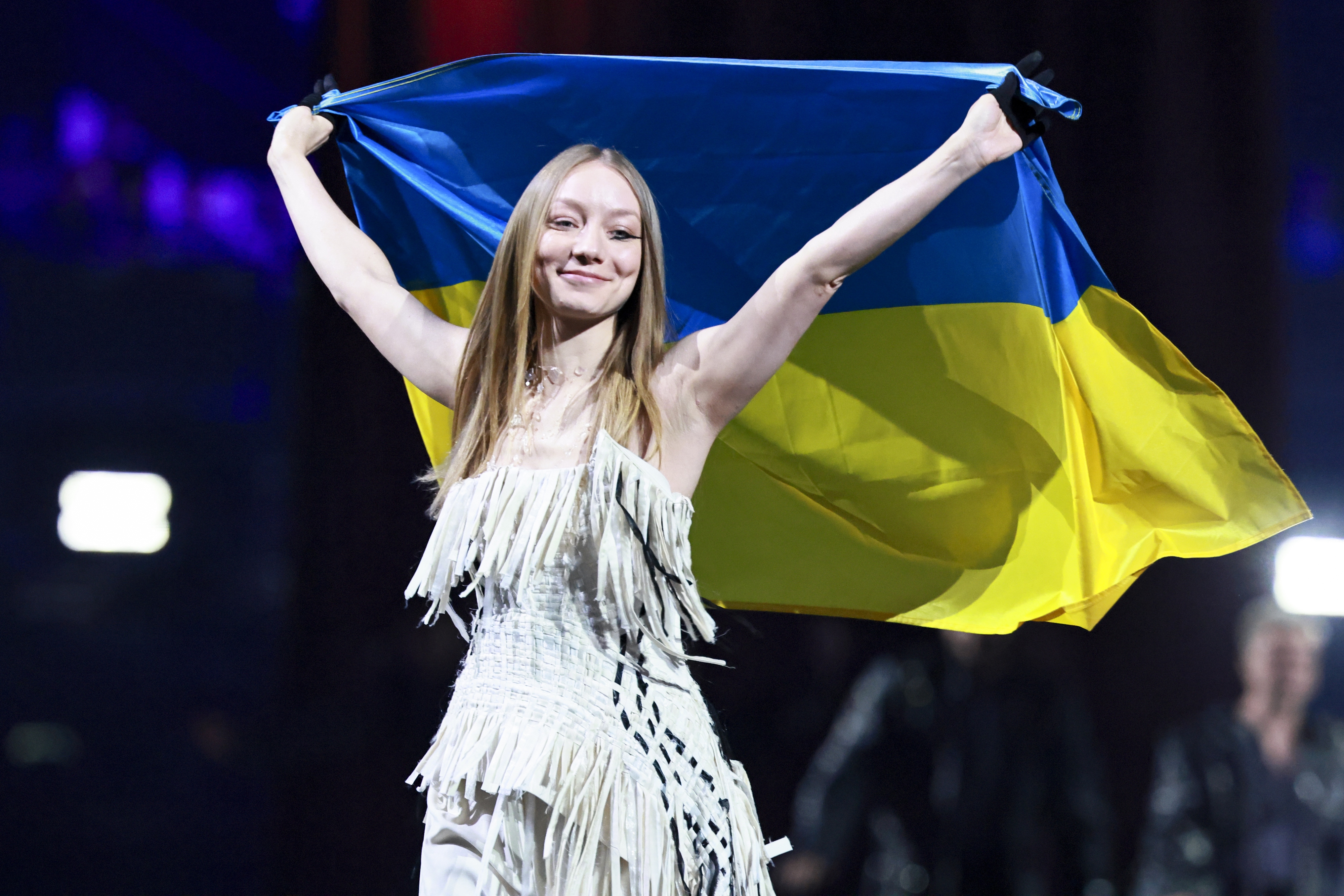
When the lights on the Eurovision 2026 stage in Vienna went out on May 17, the hall applauded the winners. But parallel to the competition, according to experts, other work was underway — systematic and imperceptible.
Mass Event as an Operational Opportunity
Christopher Nering — scientific director of the German Museum of Espionage in Berlin, researcher of the KGB, FSB and Stasi — formulates the logic simply: where there is a large crowd, there is intelligence. Eurovision is no exception — it is an ideal platform. Thousands of people from dozens of countries, an informal atmosphere, the cultural neutrality of the event — all this lowers vigilance and increases the chances of contact.
«Low-level agents are people recruited through social media and paid relatively small sums for specific actions»
Christopher Nering, comment for Euronews, October 2025
Recruitment is not always about spies in the classical sense. Nering describes an entire spectrum: from information gathering to minor provocations, graffiti, surveillance. A mass event provides an opportunity to establish initial contact in a natural environment — without suspicion.
Austrian Context: Where Business and Security Intersect
Vienna is not a random choice for such operations. Austria has remained a key junction between the EU and Moscow for years. Raiffeisen Bank International continues operations in Russia despite pressure from the European Commission — a situation that Reuters described as a symbol of the depth of Austrian-Russian financial ties. Vienna has served for decades as a hub for capital from Russia and the post-Soviet space.
Against this backdrop, Eurovision 2026 took place in a city where business ties with Moscow have not been severed even after three years of full-scale war. LIGA.net in its analysis recorded: Russian influence persists through producer and business networks — not through official representation.
Formal Isolation vs. Real Channels
Russia has been excluded from Eurovision since 2022. But the executive director of the competition, Martin Green, in an interview with LBC in May 2026 said "theoretically yes" to the question about Russia's possible return — if the VGTRK state broadcaster proves its independence from the Kremlin. The answer provoked a wave of criticism: if the formal condition is the broadcaster's independence rather than the cessation of war, the line between "cultural" and "political" becomes blurred.
It is precisely this blurriness that, according to Nering, Russian special services exploit. The FSB, SVR and GRU operate not only through official channels — they have mastered the space where there is no clear jurisdiction: cultural events, business forums, producer agreements.
- GRU — traditional intelligence with agent recruitment under official and unofficial cover
- SVR — foreign intelligence, actively recruits Russians abroad and establishes contacts in diaspora communities
- FSB — the largest and most powerful of the services, coordinates "low-level agents" in Europe
What This Means for Future Major Events
Eurovision 2026 is not an isolated case. Championships, cultural festivals, economic forums in neutral countries create the same landscape of opportunities. Austrian police increased security measures in Vienna due to protests surrounding Israel's participation — but public threats and intelligence activities rarely coincide geographically and in time.
Nering, who lectures at the University of Potsdam and is the author of the book "77 Greatest Myths about Espionage," emphasizes: Moscow's strategic approach to mass events is not the paranoia of analysts, but documented practice.
If the EU does not introduce uniform standards for counterintelligence support for major international events in countries with proven financial ties to Russia — the next Eurovision, World Cup or Olympics will become the same platform at a different address.





