What happened
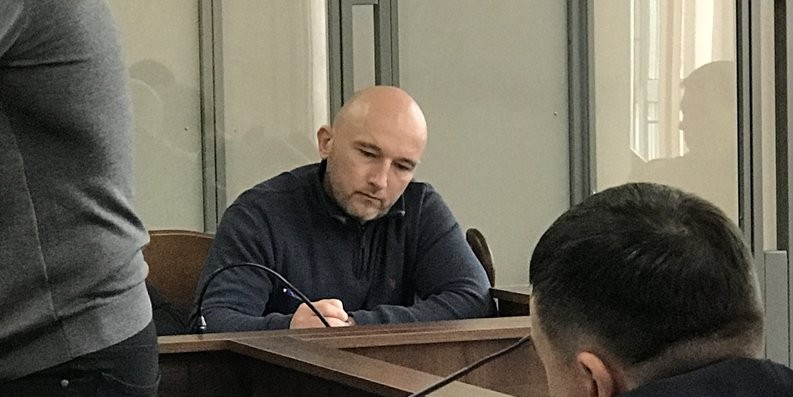
On February 17 the Kyiv Court of Appeal reduced the bail for former judge Oleksiy Tandyr — from about 120 million UAH to 20 million UAH. A correspondent for Babel reported this from the courtroom. If the amount is paid, Tandyr could be released from custody; he has been held since 2023 in the case of the fatal crash at a checkpoint.
"The ECHR found that holding the former official in pretrial detention for almost three years violates the European Convention on Human Rights."
— defense lawyers, from the courtroom
The defense also argued that the ECHR saw no evidence of a risk of flight or witness tampering if he were released. The prosecutor, by contrast, argued for the necessity of continued detention, citing risks: possible flight, pressure on witnesses, and evidence tampering.
"The prosecutor pointed to existing risks of flight, pressure on witnesses, and evidence tampering."
— prosecution, from the courtroom
Background
On May 26, 2023, Tandyr, then head of the Makariv District Court, ran over and killed 23‑year‑old National Guard serviceman Vadym Bondarenko at a checkpoint in Kyiv. Biological samples were taken in court; the State Bureau of Investigation (SBI) reported Tandyr's intoxication and attempts to tamper with the samples. In August 2024 the High Council of Justice dismissed him from his position as a judge.
On January 28 the court had already set an alternative bail of approximately 119 million UAH, and the suspect himself said he did not have such funds.
Why it matters
This decision combines two major issues of public concern: the accountability of officials and the guarantees of human rights in legal proceedings. Lawyers and human rights defenders note that ECHR rulings often force national courts to seek a balance between procedural guarantees and the public demand for justice.
For the family of the deceased and for public trust it is important that the process does not become a stalling tactic, and that the system can ensure both a criminal investigation and real oversight of the enforcement of court decisions — regardless of the suspect's status.
What happens next
The key question now is whether the parties can agree on additional preventive measures (monitoring, a bail arrangement, a ban on leaving his place of residence) and whether the prosecution will appeal or petition for other restrictions. This is a test for the system: does it have enough resources to protect victims' rights and simultaneously comply with the ECHR's requirements.
So far the appellate court's decision resolves the legal aspect, but it does not remove the political and moral dilemma: how will the state guarantee that influential officials will not feel above accountability?





