Positions of the parties
The Hungarian side reported the expulsion from the country of seven employees of a cash-collection service who were detained in Budapest. The information was circulated by the Hungarian outlet Index, citing the National Tax and Customs Administration (NAV), which claims that the export of cash was allegedly coordinated by former servicemen.
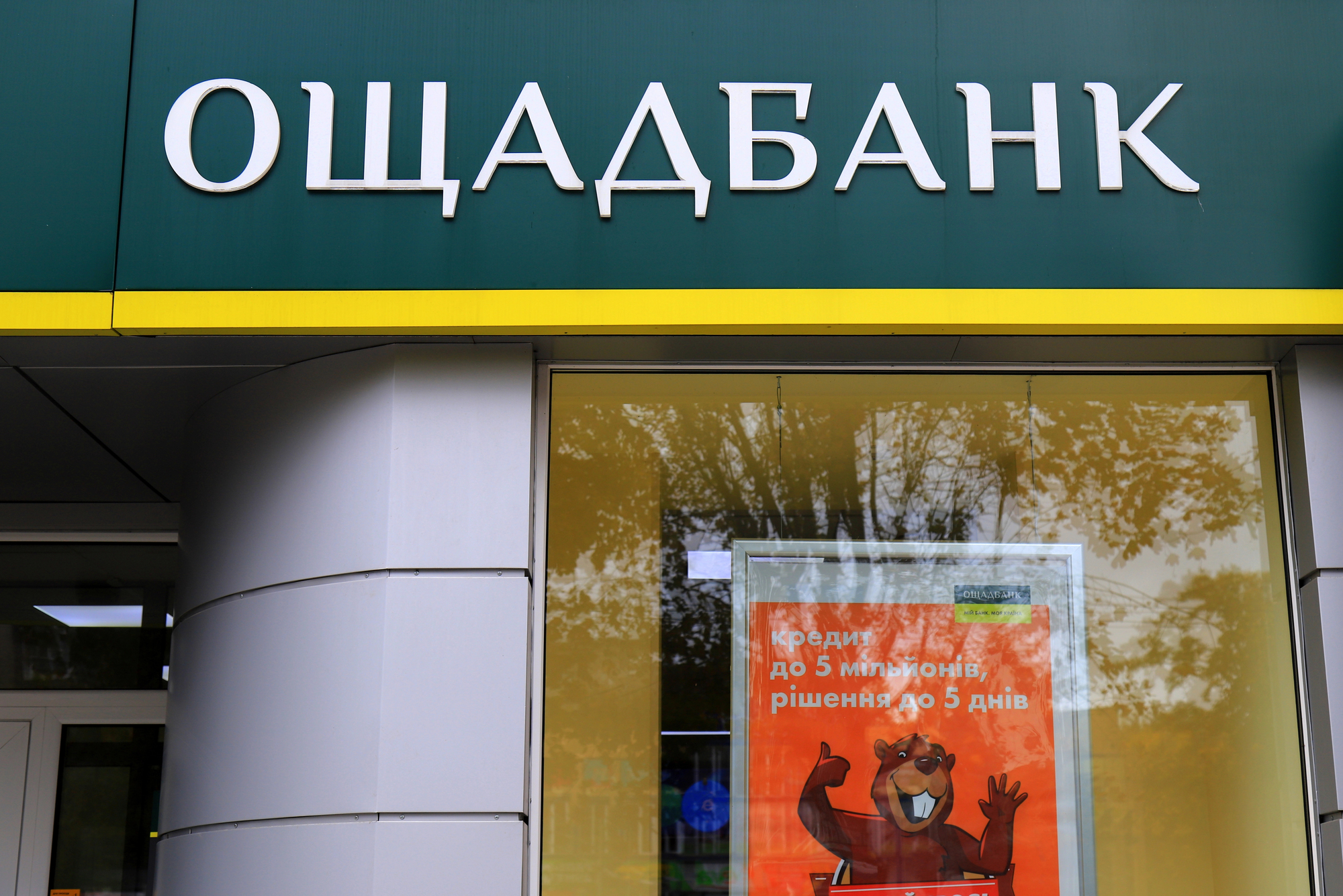
At the same time, law enforcement in Kyiv has opened criminal proceedings on charges of deprivation of liberty of Ukrainian citizens and the seizure of a service vehicle of JSC Oschadbank on the territory of Hungary. The National Police has officially appealed to Europol, as well as to Hungarian tax and police authorities, to coordinate the investigation.
Why this matters
This incident combines three dimensions: citizen security, consular access, and the risk of law-enforcement actions being turned into an element of a neighboring state’s domestic politics. Kyiv says that Hungarian authorities are blocking Ukrainian consuls’ access to the detainees — this is a direct question of people’s safety and of international practice standards.
Budapest’s account
Hungarian officials have expressed suspicion that a significant sum of cash may have been passing through the country. Hungary’s Minister of Foreign Affairs and Trade, Péter Szijjártó, questioned the origin of the funds and hinted at possible involvement of organized groups.
"A fair question arises: whether this money belongs to the Ukrainian military mafia."
— Péter Szijjártó, Minister of Foreign Affairs and Trade of Hungary
Reaction in Kyiv
Ukraine’s Ministry of Foreign Affairs and the National Police interpret the incident as a violation of citizens’ rights and as a potential instrument of pressure. Ukraine’s Minister of Foreign Affairs, Andriy Sybiha, called the detentions an element of blackmail and part of Hungary’s election campaign, and vowed to hold those responsible to account.
"This is exactly what usually happens after people are taken hostage: demands are made. We will not tolerate this state banditry."
— Andriy Sybiha, Minister of Foreign Affairs of Ukraine
What next?
The facts currently confirmed: statements by Hungarian authorities, NAV’s communication to the media, criminal proceedings opened in Ukraine, and the National Police’s requests to Europol. Questions about the origin of the cash and the legal grounds for the detentions remain matters for investigation and diplomatic negotiations.
Analytically, this means two things. First, Kyiv needs to secure consular access and legal protection for its citizens — this affects not only the outcome of this case but also businesses’ and ordinary people’s trust in protection mechanisms. Second, the incident could become a test for EU partners: are they prepared to respond when bilateral conflicts touch on international standards of security and law?
Conclusion
This case is not simply a law-enforcement incident. It presents Kyiv with the task of acting both legally firmly and diplomatically judiciously: to seek clarification of the facts, protect its citizens, and obtain a response from European partners. The next steps taken by the Hungarian side and the results of the investigation will determine whether this episode develops into a prolonged diplomatic rift or remains a localized legal dispute.





