What happened
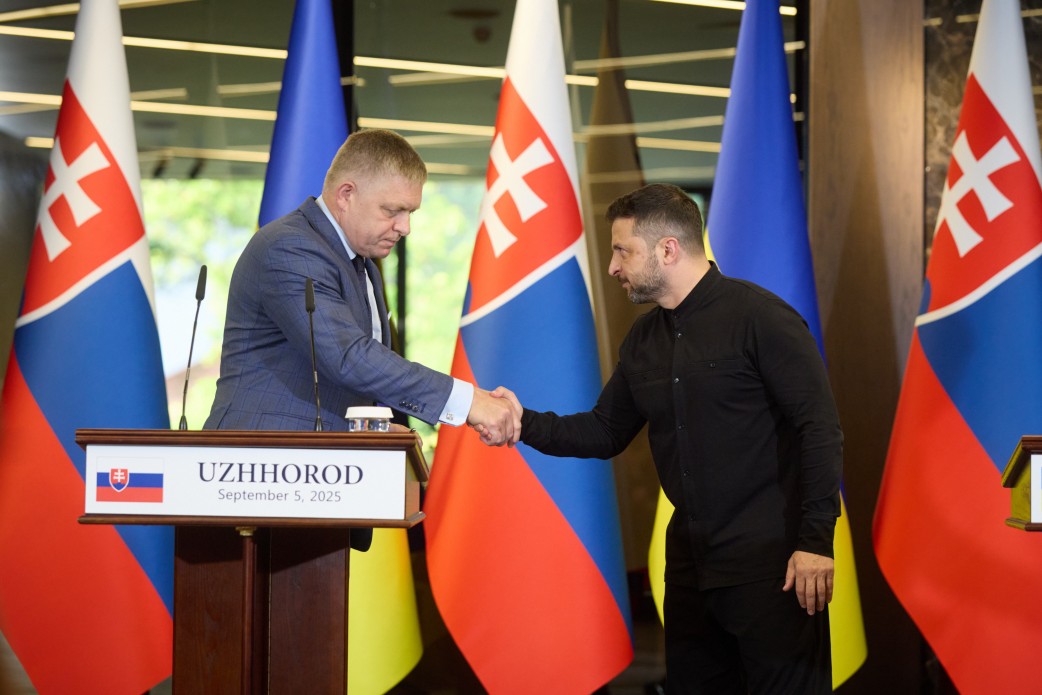
In a phone call with the Prime Minister of Slovakia, Volodymyr Zelensky said that Robert Fico agreed to come to Ukraine for talks. At the same time, the Slovak prime minister had earlier spoken about being ready to meet in one of the EU countries and expressed the view that Ukraine was allegedly not interested in restoring transit oil supplies to Slovakia.
“I invited him to Ukraine. He agreed to come to Ukraine… It seems to me that we should not communicate on social media, but simply come and get results from our meeting.”
— Volodymyr Zelensky, President of Ukraine
Why the meeting location matters
The most pragmatic reason is that an element of the pipeline “Druzhba” runs through Ukrainian territory, around which the dispute has flared. While the technical restoration and safety guarantees for the work are being discussed behind the scenes, the presence of the Slovak prime minister on site gives a chance to see the state of the infrastructure with his own eyes and work out mechanisms to guarantee the safety of repair crews.
Energy and diplomatic context
Kyiv offered Budapest and Bratislava alternative routes for fuel supplies, rejecting a return to pre-war transit from Russia through the damaged pipeline. Instead, Hungary and Slovakia earlier announced a halt to diesel exports to Ukraine, and Bratislava also announced a suspension of emergency electricity deliveries — although Ukrenergo reported that imports from Slovakia continue.
At the same time, the Hungarian government and the Slovak leader announced the creation of a joint commission to travel to Ukraine to assess the condition of “Druzhba.” Such a format can serve to defuse tensions, but it is also a political instrument — international agreements often start with technical missions and require turning words into concrete actions.
What this means for Ukraine
First, the voice of the country on whose territory the infrastructure runs carries weight — a meeting in Ukraine strengthens Kyiv’s position as the party responsible for the safety of the work and requiring a clear restoration plan. Second, it is a test for European partners: are they ready to transform diplomatic signals into security guarantees and the technical assistance needed for repairs?
Brief conclusion
Zelensky’s invitation makes the meeting a matter not only of political maneuvering but also of practical problem-solving for energy supplies. The key now is whether the agreement on the visit will be turned into concrete dates, mechanisms for guarantees for repair crews, and clear technical steps. For now, the signal is clear: negotiations should take place where their consequences are decided.





