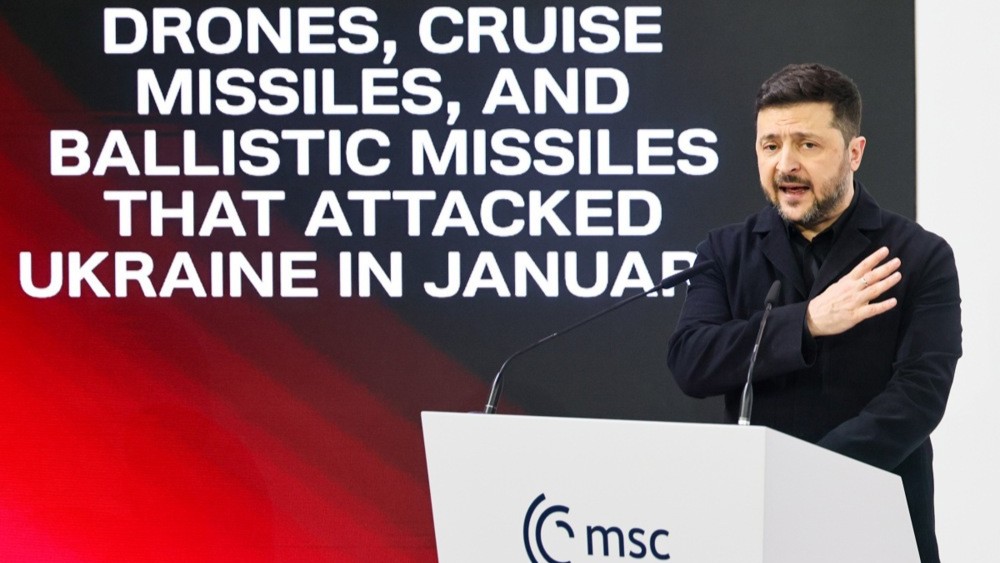
Statement at the MSC: lessons from rescuers
During his speech at the Munich Security Conference (MSC), President Volodymyr Zelensky reproached some international partners for delays in aid to Ukraine. This is not merely an emotional assessment — it is about time losses that are reflected in the ability to protect lives and infrastructure.
"When I look at our energy workers, repair crews, rescuers, I see something that is often missing in politics. True dedication, the ability to work at 100%. To act immediately, truly urgently, not in a month, not in a year or two, but they protect lives here and protect lives now all these years. And many politicians could learn and must learn from ordinary rescuers, from ordinary repair crews, from ordinary electricians how to act immediately"
— Volodymyr Zelensky, President of Ukraine
Why it matters
In modern warfare speed decides: logistics and the rapid deployment of equipment and supplies directly affect the safety of the population and the maneuverability of forces. Delays in delivering equipment, spare parts or funding increase the risk of infrastructure failures and complicate operational planning.
What hinders speeding up aid
The reasons are typical: bureaucracy, contractual procedures, political cycles in partners' capitals and issues of guarantees. However Zelensky emphasized another dimension — a cultural one: the example of practitioners who solve problems quickly and without pauses. Analysts and delegation representatives at the MSC also pointed to the need to synchronize decisions and logistics.
Consequences for relations with partners
If declarations do not translate into rapid deliveries and operational mechanisms, distrust grows. For Ukraine this is not only a question of material aid but also of political predictability: can partners act when needed. Thus Zelensky's demand is both practical and symbolic.
Conclusion
The president's position at the MSC is a reminder: words must be backed up by operational work. Now it's up to the partners — can they adjust their processes so as to act "here and now", as rescuers and repair crews do.







