What happened
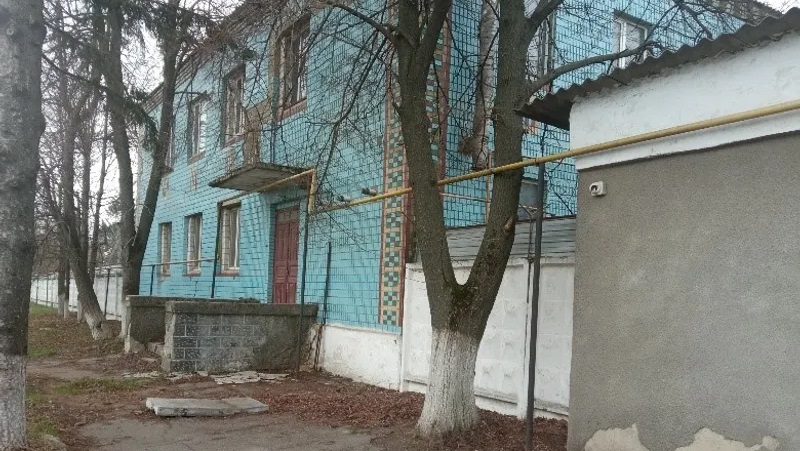
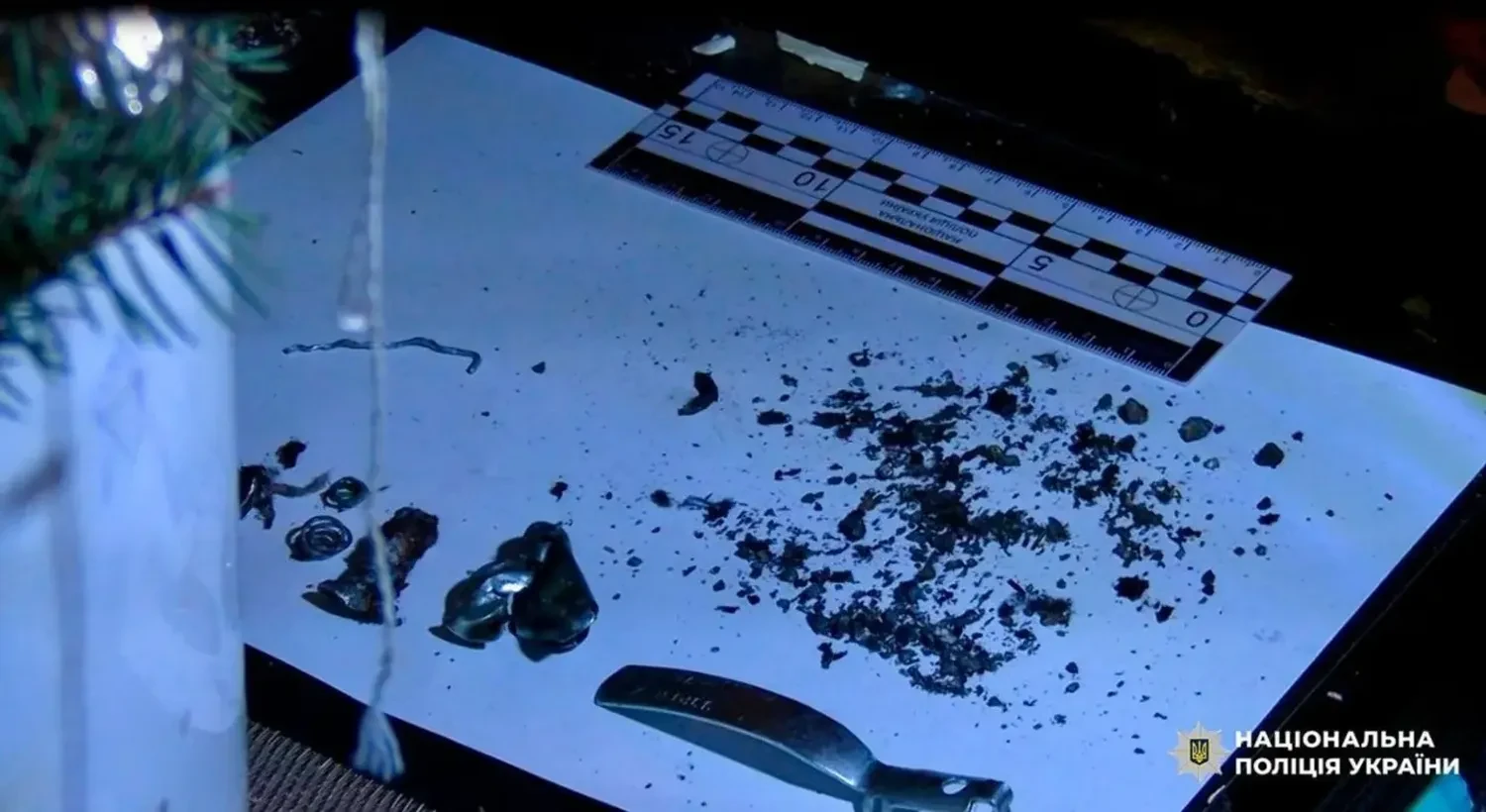
At night in Obolon, at around 02:00, a group gathered in an apartment — eight people, among them a 29-year-old serviceman who, according to law enforcement, is in СЗЧ. During an altercation in the kitchen the assailant, amid a sudden conflict, detonated an F-1 grenade. As a result of the explosion the 45-year-old owner of the apartment was killed, and another guest (36) was taken to hospital, — reports the Main Department of the National Police in Kyiv and UNN.
Official position
"In Kyiv, a serviceman was notified of suspicion under Part 2 of Art. 15 para. 1, 5, Part 2 of Art. 115 of the Criminal Code of Ukraine — attempt to murder two or more persons and intentional murder committed in a manner dangerous to many persons"
— Main Department of the National Police in Kyiv, press service
According to the police, the suspect was detained at the scene. He also sustained shrapnel wounds to his leg and is currently under the supervision of medical personnel and law enforcement officers.
Legal consequences
The legal qualification applied to the suspect carries severe punishment: imprisonment for a term of 10 to 15 years or life. In effect, this combines the elements of an attempt and murder committed in a way dangerous to many people.
Why this matters
This case is not just criminal news. It touches on two key issues: controlled handling of munitions and public trust in armed formations during wartime. Even isolated incidents of armed violence in the rear undermine the sense of security in cities and provide grounds for calls to strengthen discipline and control within the Armed Forces of Ukraine and related units.
Context and explanation
What may have contributed to the tragedy: the presence of munitions in a civilian setting, an alcohol-fueled conflict, and a rapid escalatory decision to use an explosive device. It is the combination of these factors that makes the consequences especially severe. Security analysts emphasize that responsibility of command and services that control the circulation of weapons must be systemic — from prevention to rapid response.
What’s next
The investigation must establish all circumstances: the origin of the grenade, the motives for the suspect’s actions, and possible violations in the storage and accounting of munitions. For the public, not only verdicts are important but also changes in procedures that minimize the risk of similar incidents recurring.
Conclusion
This incident is a harsh reminder that rear-area security depends both on institutional discipline and on society’s reaction to violations. As long as the war continues, the unplanned presence of munitions in everyday life is a threat not only to individuals but also to trust in the army. It is important that the investigation be transparent and that the conclusions be practical: from strengthening control to preventive work among military personnel and civilians who find themselves near armed individuals.