In brief: why this matters
At a time when diplomatic formats between Kyiv, Moscow and Washington are back on the agenda, information dumps can become a tool of pressure or a pretext for escalation. Moscow's claim about alleged "nuclear assistance" from London and Paris was made public on the eve of the anniversary of the full-scale invasion — and for that reason it requires attention not as a fact, but as a strategic signal.
What the president said
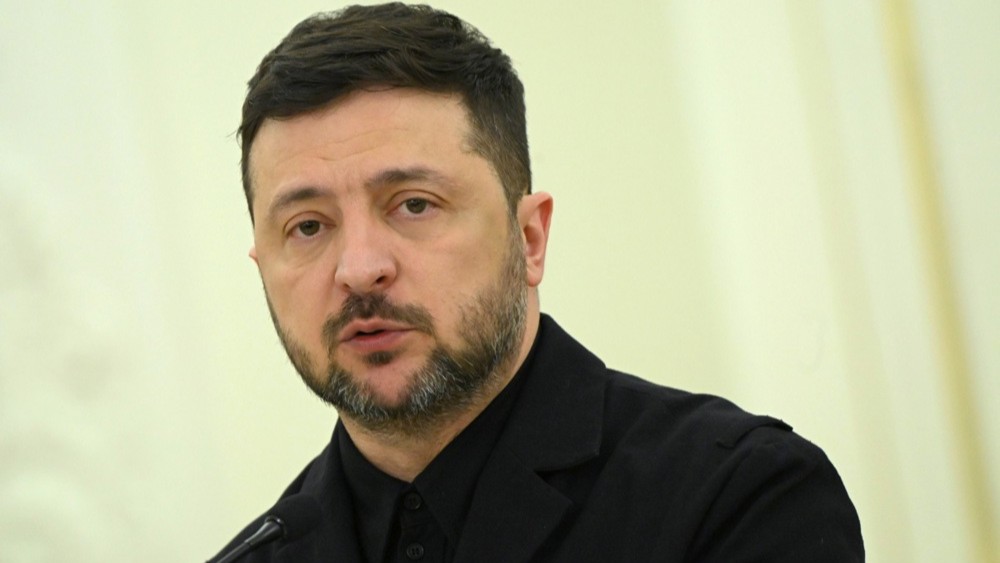
At a joint press conference with Norwegian Prime Minister Jonas Gahr Støre, President Volodymyr Zelenskyy stated clearly that Ukraine does not have nuclear weapons and recalled the history of giving up its nuclear arsenal in 1994. He views Russia's statements as part of preparing the information environment ahead of possible trilateral meetings and as a means of political pressure.
"There are no nuclear weapons in Ukraine, unfortunately. You know all the circumstances of when Ukraine had those weapons and when it no longer did — and thanks to what and whom that happened."
— Volodymyr Zelenskyy, President of Ukraine
Why Moscow is pushing this narrative
Information campaigns of this type serve several functions: to discredit Kyiv in the eyes of the international community, to create a pretext for diplomatic pressure, and to provide an appearance of justification for its own threats. When battlefield successes are less apparent, media manipulation becomes a tool of domestic and foreign policy. For example, the Russian intelligence report on 24 February about alleged preparations by London and Paris to transfer "nuclear weapons or a 'dirty bomb'" has already been denied by spokespeople for the Ukrainian Foreign Ministry and the British prime minister; in France it was met with irony.
Historical and legal context
Ukraine relinquished its nuclear arsenal in 1994 after signing the Budapest Memorandum, receiving security assurances regarding its sovereignty and territorial integrity from Moscow, Washington and London. Russia's violation of those guarantees in 2014 during the occupation of Crimea remains a key argument in assessments of the risks and reliability of international assurances.
What next: diplomacy, signals and practice
Zelenskyy publicly called on parties, above all the United States, to send an "appropriate message" to Moscow. This is not merely rhetoric: clear signals and concrete actions by partners (diplomatic, sanctions-related, informational) reduce the effectiveness of such disinformation. Analysts at international security centers note that the most effective response is systematic diplomacy and transparent communication with the public and partners.
For every Ukrainian this means one thing: Kyiv's position must remain evidence-based and transparent, and from partners — expect not only words but concrete political and diplomatic steps. Whether statements will translate into practical guarantees depends on how strongly the West feels its interest in Europe's stability.





